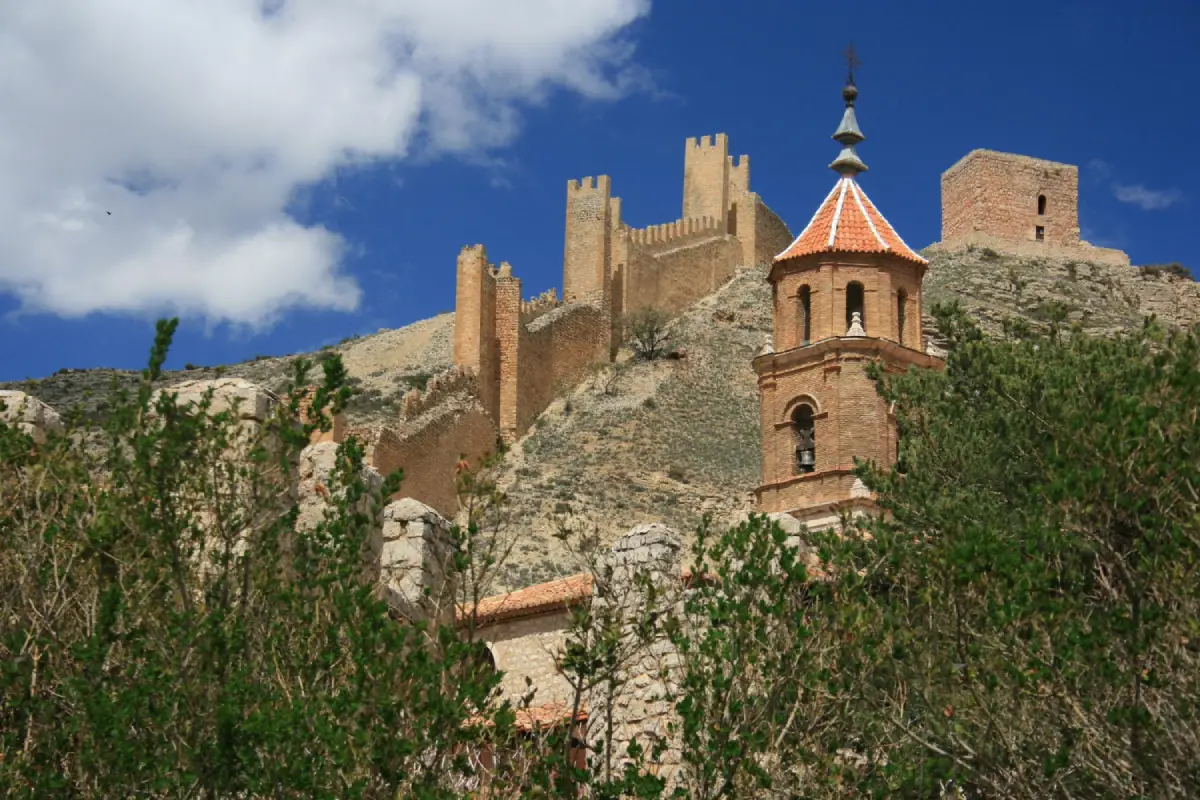
Hidden away in the rugged hills of eastern Spain, a medieval masterpiece clings dramatically to a stony crescent above the Guadalaviar River. This isolated sanctuary is not merely a destination for traditional tourism; it is a living museum where architectural history remains perfectly preserved within towering stone walls. Walking through its narrow, winding corridors feels like stepping directly into a historical chronicle, away from the crowded beaches and bustling coastal metropolises of the Iberian Peninsula. For discerning travelers seeking deep cultural immersion, a journey to
Albarracín offers an unparalleled glimpse into Spain's complex Moorish and Christian heritage.
As modern travelers increasingly look for destinations that offer authenticity over commercial curation, this ancient mountain outpost has quietly gained global recognition. Here at Major Daily, we focus on uncovered histories and exceptional travel landscapes to help our community experience the world with a sense of genuine discovery. This comprehensive guide uncovers the structural design marvels, secret history, practical exploration strategies, and world-class outdoor activities that make this specific pink-hued stone fortress a mandatory addition to your European travel itinerary.
The Architectural Marvel of Spain's Pink City
What strikes visitors first upon arriving is the striking monochromatic beauty of the urban landscape. The buildings are constructed using an unusual local gypsum plaster and stone that glows with an earthy, warm pink hue, shifting shades from pale rose to deep terracotta depending on the angle of the afternoon sun. This cohesive aesthetic creates a dramatic visual continuity that makes the entire settlement look like an organic extension of the surrounding limestone cliffs.
The urban layout itself is a direct reflection of defensive military engineering from the Middle Ages. Because space within the protective perimeter walls was highly restricted, builders utilized a unique cantilever design where upper stories of houses extend outward over the street. In the narrowest alleyways, the eaves of opposing roofs nearly touch, creating a natural canopy that keeps the paths cool during the intense heat of the Spanish summer. Every wooden balcony, forged iron window grate, and heavy timber door tells a story of local craftsmanship refined over centuries of isolation.
A Journey Through Layered Medieval History
To fully appreciate the cultural weight of
Albarracín, one must understand its strategic historical position. Founded during the Moorish occupation of Spain, the settlement served as the capital of a small, independent Islamic kingdom, or Taifa, under the Banu Razin dynasty. This period of governance established the fundamental street blueprint and structural foundations that define the town's spatial footprint to this day.
Following the Christian Reconquista, the territory transitioned into an independent lordship before being integrated into the Kingdom of Aragon. This unique dual heritage created a fascinating blend of architectural styles, most notably the Mudéjar aesthetic, which fuses Islamic structural patterns with Christian design elements. The towering fortress walls, which snake over the crest of the bare mountain high above the residential zones, stand as silent witnesses to the shifting empires that fought to control this crucial defensive corridor.
Essential Stops Inside the Ancient Perimeter
Navigating the steep, cobblestone pathways requires physical stamina, but the architectural landmarks scattered throughout the historical center justify every ounce of effort. Exploration should be slow and deliberate, allowing the historical ambiance to reveal itself around every sharp bend.
- The Cathedral of El Salvador: Built in the sixteenth century over the foundations of an older medieval church, this structure features a striking interior and a museum housing an exceptional collection of historic tapestries.
- Plaza Mayor: The irregular, central square serves as the social heart of the community, characterized by its distinctive timber-framed town hall and open-air cafes.
- Torre del Andador: Part of the original tenth-century Islamic defensive system, this watchtower occupies the highest point of the ridge and offers panoramic views of the deep river gorge below.
- Casa de la Julianeta: Perhaps the most photographed residential structure in the region, this iconic house stands at a sharp intersection, showcasing the extreme angles and leaning plaster typical of old mountain architecture.
World-Class Bouldering in the Protected Pine Forests
While history and architecture dominate the urban center, the surrounding natural landscape draws an entirely different demographic of global explorers. Just outside the stone walls lies the protected pine forest region, a geological wonderland of massive red sandstone blocks that has evolved into one of the premier bouldering destinations in all of Europe.
Climbers from around the world travel to these forested hills to test their skills against thousands of meticulously documented routes. The unique composition of the local sandstone provides exceptional friction, while the shaded forest setting keeps conditions optimal for outdoor athletic activity during the shoulder seasons. Strict local conservation laws ensure that this athletic playground coexists peacefully with the native flora and fauna, keeping the environment pristine for future generations of outdoor enthusiasts.
Practical Strategies for an Authentic Visit
Because of its remote location in the province of Teruel, reaching
Albarracín requires a deliberate travel plan. The lack of a high-speed rail connection has protected the area from the overwhelming waves of mass tourism, ensuring that the local culture remains intact and uncommercialized.
The most effective way to visit is by renting a vehicle and driving through the scenic mountain passes from Valencia or Zaragoza. Packing sturdy walking shoes with excellent grip is non-negotiable, as the historic streets are steep, uneven, and entirely cobblestone. To truly absorb the mystical atmosphere, plan an overnight stay rather than a brief day trip. When the evening sun drops below the horizon and the day-trippers depart, the streets light up with warm golden lanterns, transporting overnight guests back to the fourteenth century.
Frequently Asked Questions
When is the best time of year to visit this historic mountain region?
The optimal times to visit are during the spring months of April and May, or the autumn months of September and October. During these periods, the weather is pleasant for walking up steep inclines, and the mountain lighting is perfect for photography. Summers can become intensely hot during midday, while winters bring freezing temperatures and occasional snow to the high-altitude passes.
Is this destination suitable for travelers with mobility challenges?
Due to its preserved medieval design, the town can be highly challenging for individuals with limited mobility. The historic center is entirely pedestrianized, featuring steep inclines, uneven stone steps, and narrow walkways without handrails. Vehicles are restricted from entering the inner core, meaning exploration relies entirely on foot travel.
What are the local culinary specialties that visitors should try?
The regional cuisine is hearty and deeply tied to the mountain environment. Visitors should look for dishes featuring locally sourced venison, wild boar, and Tronchón cheese, a traditional sheep and goat milk cheese mentioned in historic Spanish literature. Miguelitos, a delicate pastry layered with cream, is also a highly recommended local treat.
How much time should I dedicate to exploring the town and surroundings?
While the main architectural highlights within the historic walls can be viewed in a single full day, spending two to three days allows you to hike the river trail, explore the ancient defensive walls, and visit the nearby red sandstone forests and prehistoric rock art sites without rushing.
Preserving our connection to the past requires stepping outside the boundaries of conventional modern travel. The timeless stone, unique architecture, and silent mountain vistas of
Albarracín remind us that history is best experienced when we slow down and listen to the echoes of ancient stones. Here at Major Daily, we believe that exploring these authentic, preserved landscapes enriches our understanding of human ingenuity and cultural resilience. Plan your route into the mountains of Teruel today, respect the quiet rhythm of this ancient community, and discover the lasting magic of a destination untouched by the relentless rush of the modern world.