
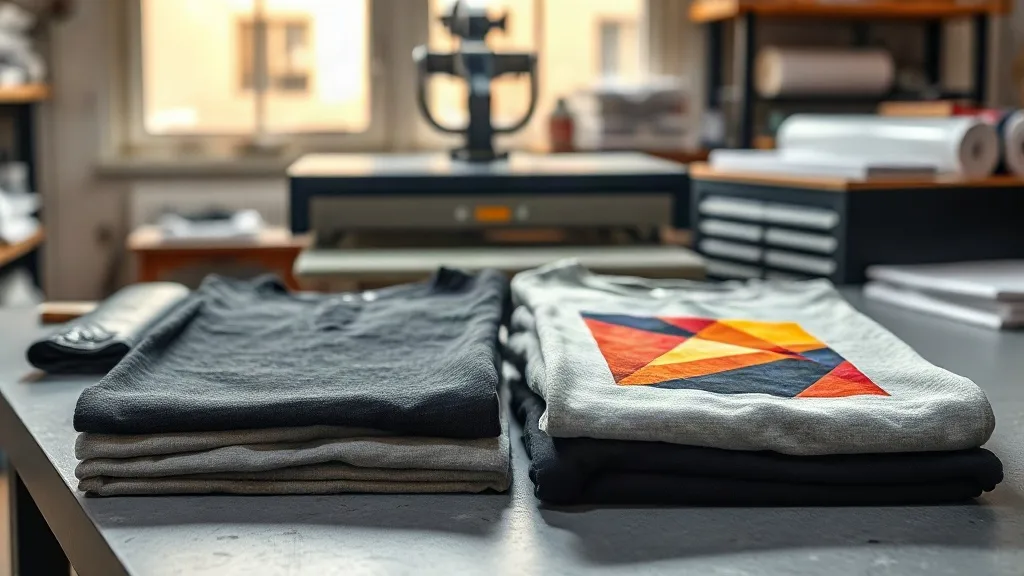
Walk into any print shop that runs DTF transfers daily and you will hear the same argument at least once a week: which blank actually makes the transfer look like it belongs there? Two names keep coming up in that conversation, and for good reason. smart blanks and shaka wear sit on opposite ends of the blank spectrum, and the choice between them shapes everything from your press settings to your profit margin. This is not a spec-sheet shootout. It is a practical look at how each blank behaves under a DTF transfer, where each one earns its keep, and how to decide which belongs in your next order.
Why the Blank Matters More Than the Print
Most shop owners obsess over the transfer: the film, the powder, the cure time. Those matter, but the blank decides whether any of that work survives a wash cycle. A cheap tee with a loose knit will let the adhesive grab unevenly, and you get that rippled edge that no amount of pressing can fix. A blank with too much surface texture will swallow fine details. The right blank is the one that accepts the transfer cleanly and keeps its shape long enough for the customer to forget it is a custom print.
That is the lens to use when comparing smart blanks and shaka wear. Both are capable. They just solve different problems.
Smart Blanks: The Workhorse for Volume Orders
smart blanks built their reputation on consistency and price. If you are printing a hundred staff tees for a local restaurant or a run of event shirts that need to land under a tight budget, this is the blank that keeps the math honest.
Fabric and Hand Feel
The typical smart blank runs a mid-weight cotton or cotton-poly blend with a smooth face. That smoothness is exactly what DTF wants. The transfer sits flat, the powder melts into the weave, and you get clean edges on small lettering. Hand feel is soft enough that customers do not complain, though it is not the buttery, broken-in feel some premium retail brands chase.
How It Handles a DTF Transfer
Press at the manufacturer's recommended temperature and the smart blank behaves predictably. No surprise shrinkage after the first wash, no adhesive failure at the seams. The one thing to watch is dye migration on darker colors. If you are printing white ink onto a black smart blank, use a low-bleed powder and keep your press time tight. Do that and the print stays crisp.
Where It Wins
- High-volume orders where cost per unit decides the bid
- Uniform and staff shirts that need to look consistent across sizes
- Event and promo runs where the shirt is a giveaway, not a keepsake
- Shops still dialing in their DTF workflow and unwilling to burn premium blanks on test prints
Shaka Wear: The Blank That Flatters the Print
shaka wear occupies a different lane. These blanks carry a heavier hand and a more structured drape, which changes how a DTF transfer reads on the shirt. The print does not just sit on the surface; it looks integrated, almost like it was screen printed by a shop that cares.
Fabric and Hand Feel
Shaka wear blanks tend to run heavier, with a tighter knit and a smoother face than you would expect at the price. That weight matters for DTF because a heavier fabric resists the puckering that plagues lighter blanks after washing. The shirt holds its shape, and the print holds with it.
How It Handles a DTF Transfer
This is where shaka wear earns its reputation. The tight weave gives the adhesive a stable surface, so you get fewer edge lifts and less cracking over time. Fine details survive, which makes it a strong choice for logo work and small text. The trade-off is press time: heavier fabric needs a few extra seconds to reach temperature evenly, and skipping that step is how you get a transfer that peels at the corner after three washes.
Where It Wins
- Retail-facing custom apparel where the shirt itself is part of the sale
- Brand merch and small-batch drops that need to photograph well
- Orders where the customer will wash the shirt fifty times and still expect it to look new
- Shops building a reputation on print quality rather than rock-bottom pricing
Cost Per Wear: The Number That Actually Matters
Unit price is a trap. A blank that costs a dollar less but fails after ten washes is not cheaper; it is a return waiting to happen. Run the math on cost per wear instead. Take the unit cost, divide by the number of washes the print survives, and compare. Smart blanks often win on the first number and lose on the second. Shaka wear costs more upfront but tends to stretch further, which matters if your customer is a business buying uniforms or a brand selling a $40 tee.
For giveaway shirts, smart blanks are the rational choice. For anything the customer will wear weekly, the heavier blank pays for itself in fewer complaints and repeat orders.
Matching the Blank to the Job
There is no universal winner here, only a fit between blank and brief. A practical way to decide:
- Ask how the shirt will be used. Giveaway, uniform, or retail sale.
- Ask how many washes the customer expects. One event or one season.
- Check the artwork. Fine detail and small text favor the tighter weave.
- Run a test print on both blanks before quoting. Two shirts and twenty minutes will tell you more than any spec sheet.
Shops that keep both smart blanks and shaka wear on the shelf stop guessing. They quote the right blank for the job, and the customer gets a shirt that matches the price they paid.
Press Settings That Respect the Blank
DTF failures usually trace back to one of three things: uneven pressure, inconsistent temperature, or rushing the peel. On a smart blank, keep pressure firm and even, and peel warm if the film allows it. On shaka wear, give the heavier fabric the extra dwell time it needs and use a pressing pillow on seams and collars so the transfer bonds evenly across the curve. Cure the powder fully before stacking, and let the shirt cool flat. These are small habits, but they are the difference between a print that lasts and one that comes back.
Frequently Asked Questions
Can I use the same DTF transfer settings for smart blanks and shaka wear?
Mostly, but not exactly. Smart blanks are lighter and reach temperature faster, so a shorter press works. Shaka wear is heavier and needs a few extra seconds to bond evenly. Start with the manufacturer's recommendation, then adjust based on a test wash.
Which blank is better for white ink on dark colors?
Shaka wear's tighter weave gives white ink a cleaner surface and reduces the chance of the print looking muddy. On smart blanks, use a low-bleed powder and keep press time controlled to avoid dye migration.
Is shaka wear worth the higher unit cost for small orders?
For small batches where the shirt is the product, yes. The print quality and durability justify the price, and customers notice the difference. For large giveaway runs, smart blanks usually make more sense.
How many washes should I expect a DTF print to survive on these blanks?
With correct pressing and curing, both blanks can hold a print through dozens of washes. Shaka wear tends to hold its shape longer, which keeps the print looking newer for longer. Wash inside out in cold water to extend either one.
The Short Version
Smart blanks win on price and predictability. Shaka wear wins on print quality and longevity. The shops that get this right do not pick a side; they stock both and match the blank to the job. Order a few of each, print the same design on both, and wash them side by side. Your next quote will be sharper for it.