
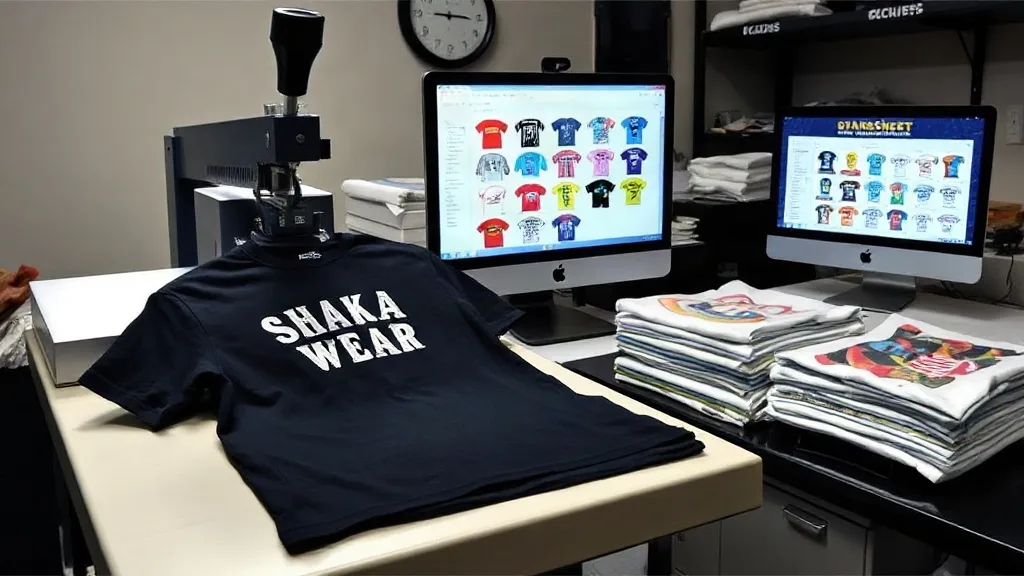
If you run a custom apparel business, you already know that the right blank can make or break a project. shaka wear has earned a solid reputation among printers for its consistent quality and comfortable fits. Pair that with the efficiency of a DTF Gangsheet Builder, and you have a workflow that saves time, reduces waste, and keeps customers coming back. In this article, we'll explore why this combination is worth your attention and how to make the most of it.
Why Shaka Wear Blanks Stand Out
Shaka Wear has been supplying the imprintable market with reliable blanks for years. Their garments are known for softness, durability, and a fit that appeals to a wide audience. Whether you're printing for a retail brand, a sports team, or a corporate event, Shaka Wear offers a range of styles and colors that hold up well under DTF transfer application.
One of the key advantages of Shaka Wear is their consistency. When you order multiple times, you get the same fabric weight, color accuracy, and sizing. That reliability means fewer surprises during production and happier clients. Plus, their blanks are available in a variety of blends, including 100% cotton and cotton-polyester mixes, giving you flexibility depending on the desired feel and price point.
The Efficiency of DTF Gangsheet Printing
DTF (Direct to Film) printing has revolutionized the custom apparel industry by allowing vibrant, full-color designs to be transferred onto a wide range of fabrics. A DTF Gangsheet Builder takes that efficiency a step further. Instead of printing each design individually, you arrange multiple designs on a single sheet, maximizing the use of transfer film and reducing waste.
With a gangsheet, you can nest various jobs together, which is perfect for small batch orders or when you need to produce samples for multiple clients at once. The builder tool lets you upload your artwork, arrange it optimally, and calculate the most cost-effective sheet size. The result is lower material costs, faster production times, and the ability to offer competitive pricing without sacrificing quality.
Combining Shaka Wear and DTF Gangsheets: A Step-by-Step Workflow
To get the most out of this combination, follow a streamlined process from design to finished product.
1. Choose the Right Shaka Wear Blank
Start by selecting the appropriate Shaka Wear style for your project. Consider the fabric content, weight, and color. For a soft, retail-ready feel, their 100% cotton tees are a great choice. For performance or budget-friendly options, cotton-poly blends work well. Make sure to check the colorfastness and shrinkage rates if you're printing large orders.
2. Prepare Your Artwork for Gangsheet Layout
Next, gather all the designs you need to print and prepare them for the gangsheet. Ensure each design is correctly sized and has a transparent background. Using the DTF Gangsheet Builder, upload your files and arrange them on the virtual sheet. The tool will help you optimize the layout, minimizing gaps and maximizing film usage. Don't forget to add crop marks if needed for easy cutting later.
3. Print and Cure the Transfers
Once your gangsheet is ready, print it using a DTF printer with high-quality inks and film. Follow the recommended settings for your printer and film combination. After printing, apply adhesive powder and cure the sheet according to the manufacturer's instructions. Proper curing ensures the transfers will withstand washing and wear.
4. Apply Transfers to Shaka Wear Garments
Heat press each design onto the Shaka Wear blank. Use a heat press with consistent temperature and pressure. The typical settings for DTF transfers are around 300°F (150°C) for 10-15 seconds, but always refer to the film and powder specifications. Peel the film either hot or cold as directed. Shaka Wear's fabrics handle heat well, but it's wise to do a test press on a scrap piece first.
5. Quality Control and Packaging
After pressing, inspect each garment for adhesion, color vibrancy, and overall appearance. DTF transfers on Shaka Wear blanks should look sharp and feel soft to the touch. Once approved, fold and package the garments neatly. Happy customers are more likely to reorder when they receive a professional-looking product.
Cost and Time Savings: The Numbers Behind the Strategy
While we won't throw around fabricated statistics, the math is straightforward. By using a gangsheet, you reduce the amount of transfer film and powder needed per design. For example, if you can fit 20 designs on a single sheet instead of printing 20 individual sheets, you're saving on film, ink, and labor. The DTF Gangsheet Builder helps you calculate these savings by showing you the most efficient layout.
Moreover, Shaka Wear blanks are competitively priced, especially when bought in bulk. Combined with the reduced transfer costs, your profit margin per piece can increase significantly. And because DTF transfers are durable, you'll spend less time dealing with returns or complaints about fading or cracking.
Common Pitfalls to Avoid
Even with a great combination, some mistakes can trip you up. Here are a few to watch for:
- Incorrect heat press settings: Always follow the DTF transfer instructions. Too much heat can scorch the fabric; too little can cause poor adhesion.
- Poor color management: Ensure your printer profiles are set correctly for the film and ink you're using. Colors can shift if not calibrated.
- Ignoring fabric compatibility: While DTF works on many fabrics, some Shaka Wear styles may have finishes that affect adhesion. Test first.
- Overcrowding the gangsheet: Leave enough space between designs for clean cutting and to avoid ink bleeding.
By staying mindful of these details, you'll achieve consistent, professional results.
Real-World Applications
This approach works for a variety of businesses. A small print shop can take on more orders without expanding equipment, thanks to the efficiency of gangsheets. An online retailer can offer a wide range of designs on Shaka Wear blanks without holding excessive inventory. Even event organizers can produce custom shirts for different groups in one print run, saving both time and money.
Consider a scenario: a local band needs merchandise for an upcoming tour. They want five different designs on Shaka Wear tees. Using a gangsheet, you can print all five designs on one sheet, press them onto the shirts in a single session, and deliver a cohesive merch line quickly. The band gets professional-quality apparel, and you maximize your profit by minimizing waste.
Frequently Asked Questions
Can I use DTF transfers on all Shaka Wear fabrics?
DTF transfers adhere well to most Shaka Wear fabrics, including 100% cotton and cotton-poly blends. However, fabrics with special finishes or high synthetic content may require testing. Always perform a test press on a scrap piece to ensure proper adhesion and durability.
How do I maximize savings with a DTF gangsheet?
To maximize savings, use the DTF Gangsheet Builder to nest designs efficiently. Group similar colors together, rotate designs to fill gaps, and choose the smallest sheet size that fits your layout. Also, consider combining orders from multiple clients to fill a sheet completely.
What heat press settings work best for Shaka Wear and DTF?
Typically, a temperature of 300°F (150°C) for 10-15 seconds with medium pressure works well. However, always refer to the specific instructions for your DTF film and powder, as well as Shaka Wear's fabric recommendations. Peel hot or cold as directed.
Is DTF printing on Shaka Wear cost-effective for small orders?
Yes, especially when using gangsheets. Even for small orders, you can combine designs on a single sheet to reduce material costs. The DTF Gangsheet Builder helps you optimize the layout, making small runs more affordable and profitable.
How durable are DTF transfers on Shaka Wear garments?
When applied correctly, DTF transfers are highly durable and can withstand repeated washing without fading or cracking. Proper curing and pressing are key. Following the recommended settings ensures long-lasting prints that satisfy customers.