
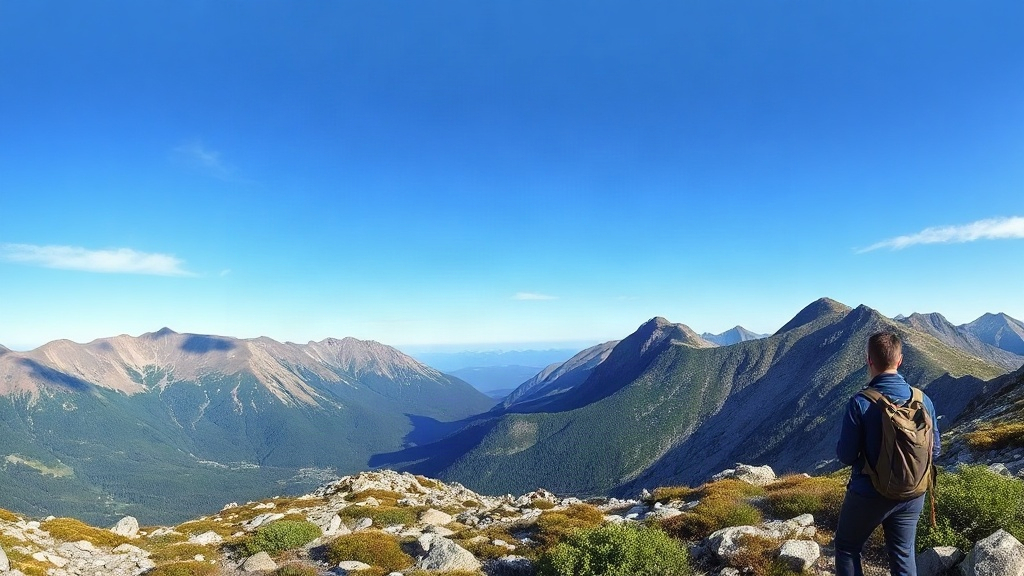
In the high country of northeastern North America, a subtle but profound transformation is underway. The alpine zones that crown the region's tallest peaks, from New York's Adirondacks to the Gaspé Peninsula in Quebec, are becoming greener, according to a recent study. This shift, while gradual, signals a broader ecological response to a warming climate and raises questions about the future of these fragile ecosystems.
The Alpine Archipelago: A Unique Ecosystem
Stretching roughly 500 miles (800 kilometers) from the Adirondack Mountains in New York to the Gaspé Peninsula in eastern Quebec, these alpine areas sit above the tree line, where harsh winds, cold temperatures, and a short growing season prevent trees from growing. Instead, the landscape is dominated by hardy shrubs, grasses, and wildflowers adapted to extreme conditions. Despite their limited extent, these mountaintop habitats support a surprising array of specialized species, some of which are found nowhere else in the region.
Nearly 70 million people live within a day's drive of one of these alpine zones, making them popular destinations for hiking and nature appreciation. But their proximity to major population centers also means they are subject to pressures like air pollution, trampling, and now, climate change.
What the Study Found
The research, published in a leading ecological journal, analyzed decades of satellite imagery and on-the-ground observations to track changes in vegetation across these alpine areas. The findings are clear: vegetation cover has increased significantly on many peaks, with shrubs and grasses expanding into areas that were previously bare rock or sparse tundra. This phenomenon, often called alpine greening, is consistent with trends observed in other mountain ranges around the world, from the Alps to the Andes.
According to the study, the greening is most pronounced at lower elevations within the alpine zone, where conditions are less severe. As temperatures warm, these lower slopes become more hospitable to plant life, allowing vegetation to creep upward. The researchers also noted that the rate of greening has accelerated in recent decades, coinciding with rising global temperatures.
Why This Matters
Alpine greening is more than a cosmetic change. It has far-reaching consequences for biodiversity, water resources, and even carbon storage. Here's why scientists are paying close attention.
Biodiversity at Risk
Alpine ecosystems are home to a unique assemblage of plants and animals, many of which are adapted to cold, harsh conditions. As shrubs and grasses move in, they can outcompete specialized alpine species, such as the dwarf birch or alpine azalea, leading to a decline in biodiversity. For example, the American pika, a small mammal that lives in rocky slopes, relies on cool temperatures and may be forced to higher elevations as its habitat shrinks. Similarly, certain alpine butterflies and moths could lose their host plants.
"These are not just any plants; they are the result of thousands of years of evolution in extreme environments," says Dr. Emily Carter, an ecologist at the University of Vermont who was not involved in the study. "When we lose them, we lose a piece of our natural heritage."
Water Resources
Alpine areas act as natural water towers, capturing and storing precipitation that feeds streams and rivers downstream. The shift from low-lying tundra to taller shrubs can alter snow accumulation and melt patterns. Shrubs trap snow, causing it to melt later in the spring, which can affect the timing of water availability for communities and ecosystems below. In some cases, earlier snowmelt can lead to water shortages in late summer, impacting agriculture and hydropower.
Carbon Storage
While increased vegetation might seem like a good thing for carbon sequestration, the story is complex. Shrubs store more carbon than grasses and mosses, but they also darken the land surface, reducing reflectivity (albedo) and causing more heat absorption. This can create a feedback loop that accelerates warming. Moreover, the decomposition of soil organic matter in warmer conditions releases carbon dioxide, potentially offsetting the gains from plant growth.
The Role of Climate Change
The study attributes the greening primarily to warmer temperatures, especially milder winters and longer growing seasons. The Northeast U.S. and eastern Canada have warmed by about 2 degrees Fahrenheit (1.1 degrees Celsius) since the early 20th century, with the most rapid warming in recent decades. This trend is expected to continue, with projections suggesting an additional 4 to 8 degrees Fahrenheit of warming by 2100 under high emissions scenarios.
But temperature is not the only factor. Changes in precipitation, nitrogen deposition from air pollution, and even the decline of certain herbivores like caribou (which historically grazed on shrubs) may also play a role. The researchers emphasize that multiple stressors are interacting, making it difficult to predict exactly how these ecosystems will change.
What Can Be Done?
While the global drivers of climate change require international action, local and regional efforts can help mitigate the impacts on alpine ecosystems. Here are some strategies:
- Monitor and research: Continued monitoring is essential to track changes and inform management. Citizen science programs, like the Appalachian Mountain Club's Mountain Watch, engage volunteers in collecting data on plant phenology.
- Protect critical habitats: Designating protected areas and limiting development can reduce additional pressures. For example, the Adirondack High Peaks Wilderness Area restricts camping and fires to minimize human impact.
- Manage invasive species: Invasive plants can exacerbate greening by outcompeting native species. Early detection and rapid response are key.
- Reduce emissions: Ultimately, curbing greenhouse gas emissions is the most effective way to slow the pace of change.
Looking Ahead
The greening of northeastern alpine peaks is a visible sign of a warming world. It reminds us that even remote, seemingly untouched landscapes are not immune to human influence. As the vegetation shifts, so too will the wildlife and the services these ecosystems provide. The study's authors call for increased investment in long-term monitoring and adaptive management to safeguard these unique habitats for future generations.
For those who love the mountains, the changes may be subtle but noticeable: more green, less gray. It's a call to appreciate what we have and to act to protect it. After all, these alpine islands are not just scenic backdrops; they are living laboratories of resilience and adaptation.
Frequently Asked Questions
What exactly is alpine greening?
Alpine greening refers to the increase in vegetation cover, particularly shrubs and grasses, in alpine zones above the tree line. It is often driven by warmer temperatures and longer growing seasons, allowing plants to colonize previously bare areas.
Which areas are affected?
The study focused on alpine zones from the Adirondacks in New York to the Gaspé Peninsula in Quebec, including parts of Vermont, New Hampshire, and Maine. Similar trends have been observed in other mountain ranges worldwide.
How does greening affect wildlife?
It can reduce habitat for cold-adapted species, such as the American pika and certain alpine plants, by allowing shrubs to encroach. This may lead to local extinctions and shifts in species composition.
Is greening always bad?
Not necessarily. Increased vegetation can store more carbon, but it also darkens the surface, leading to more heat absorption. The net effect depends on local conditions and the balance between carbon uptake and albedo changes.
What can individuals do to help?
Support conservation organizations, participate in citizen science, reduce your carbon footprint, and stay informed about local environmental issues. Even small actions can contribute to broader solutions.