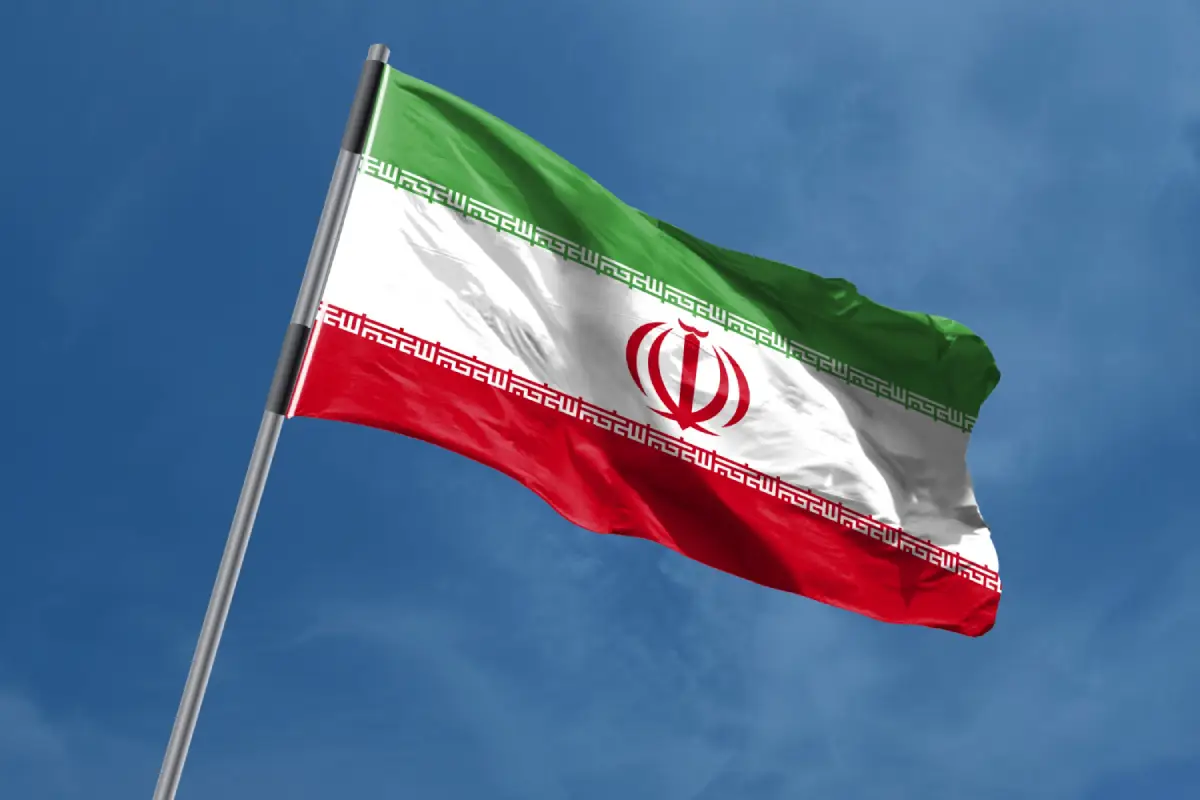
Stepping across the geographical borders of the Middle East and entering a land defined by millennia of history is an experience that permanently reshapes your perspective on travel. Today, we are pulling back the veil on a destination that remains widely misunderstood yet deeply captivating for those who dare to explore it. To truly understand the cultural tapestry, the architectural marvels, and the legendary hospitality of
Iran, one must look past the superficial headlines and dive into the living, breathing reality of its ancient cities and vibrant streets.
At Major Daily, we believe that the best stories are found where curiosity meets direct experience. Traveling through this historic region is not merely about ticking boxes on a bucket list; it is about immersing yourself in a landscape where poetry is quoted by taxi drivers, tea is a sacred ritual, and every corner reveals a story dating back to the Persian Empire. This comprehensive guide serves as your trusted companion to navigating the cultural nuances, historical landmarks, and practical realities of journeying through this mesmerizing country.
The Heart of Persian Hospitality: Understanding Ta'arof
For any traveler arriving in
Iran, the first and most profound shock is often the sheer warmth of the local people. This is not accidental or superficial; it is deeply rooted in a complex cultural concept known as Ta'arof. To the uninitiated, Ta'arof can feel like a delicate, sometimes confusing dance of extreme politeness and cultural etiquette that governs everything from business transactions to social invitations.
The Art of the Polite Refusal
In practice, Ta'arof is a system of cultural communication where individuals defer to one another. For example, when you attempt to pay a shopkeeper or a taxi driver, they may initially refuse your money, insisting that the service is free or that your presence is payment enough. As a visitor, the golden rule is to politely insist on paying at least three times before they finally accept. Understanding this social dance prevents awkward misunderstandings and allows you to appreciate the deep-seated respect that locals show to visitors.
Incredible Spontaneous Invitations
Beyond the formal rules of etiquette, the genuine desire to welcome foreigners is unmatched. Do not be surprised if a family picnicking in a public park invites you to share their meal, or if a stranger on the street offers to guide you to your destination. These interactions are the true highlight of traveling through
Iran. Accepting these gestures with an open mind and a respectful attitude will lead to some of the most memorable conversations of your life, often over a cup of hot black tea brewed with saffron.
A Journey Through Time: UNESCO World Heritage and Ancient Wonders
From the arid deserts of the central plateau to the lush forests of the north, the physical landscape is dotted with some of the most significant archaeological treasures on earth. Walking through these sites feels like walking through the pages of a living history book.
The Majestic Ruins of Persepolis
Located near the city of Shiraz, Persepolis stands as a monument to the grandeur of the ancient Achaemenid Empire. Founded by Darius the Great in 518 BC, this ceremonial capital was designed to showcase the wealth and diverse cultures of the empire. As you walk past the towering columns, the Gate of All Nations, and the incredibly preserved bas-reliefs depicting emissaries bearing gifts, you get a palpable sense of the ancient world's scale and sophistication.
Isfahan: Half the World
There is a famous local proverb that says Isfahan is half the world, and once you step into Naqsh-e Jahan Square, it is easy to understand why. As one of the largest public squares in the world, this UNESCO World Heritage site is anchored by architectural masterpieces of the Safavid era. The Shah Mosque, with its intricate blue tiling, and the Sheikh Lotfollah Mosque, famous for its dome that changes color depending on the time of day, showcase the absolute pinnacle of Islamic architecture. Spending an evening walking along the historic bridges of Isfahan, like the Khaju Bridge, while locals gather to sing traditional songs underneath the arches, is an unforgettable cultural experience.
The Windcatchers of Yazd
In the historic desert city of Yazd, survival in extreme temperatures has led to brilliant architectural innovations. Yazd is famous for its windcatchers, or badgirs, which are ancient air conditioning systems designed to catch the slightest breeze and channel it down to cool the homes below. The clay-brick old town of Yazd is a labyrinth of narrow alleys, dome-roofed homes, and ancient Zoroastrian fire temples, offering a glimpse into a lifestyle that has adapted perfectly to the desert environment over thousands of years.
Practical Tips for the Modern Traveler
Preparation is key to ensuring a smooth and enriching journey. Because of unique administrative and financial systems, traveling here requires a bit more advance planning than your average vacation destination.
Navigating the Financial System
One of the most important things to know before traveling to
Iran is that international credit and debit cards do not work due to global banking restrictions. This means you must bring enough cash in Euros or US Dollars for your entire trip and exchange it upon arrival. Additionally, while the official currency is the Rial, locals almost exclusively talk in Tomans, where one Toman is equal to ten Rials. Always clarify whether a price is in Rials or Tomans before making a purchase to avoid confusion.
Understanding the Dress Code
Respecting the local laws regarding dress code is essential for all visitors. Women are required to wear a headscarf (hijab) in public spaces and wear loose-fitting clothing that covers the arms and legs, such as a long tunic or manteau. Men should avoid wearing shorts and sleeveless shirts. While these rules may feel unfamiliar, locals are generally very understanding of tourists, and adhering to these customs shows respect for the local culture.
Staying Connected and Getting Around
Purchasing a local SIM card upon arrival is cheap and highly recommended for navigating cities. While certain social media platforms and websites are restricted, many travelers use a virtual private network to stay connected with family back home. For transportation, local domestic flights, trains, and VIP buses are incredibly affordable and comfortable, making it easy to travel long distances between major cultural hubs.
Savoring the Flavors of Persian Cuisine
No exploration of this region is complete without discussing its culinary arts. Persian cuisine is a sophisticated blend of fresh herbs, delicate spices like saffron and turmeric, and slow-cooked stews that reflect the agricultural wealth of the land.
- Fesenjan: A rich, slow-cooked stew made with pomegranate paste and ground walnuts, typically served with tender chicken or duck. It offers a perfect balance of sweet and sour flavors.
- Ghormeh Sabzi: Often considered the national dish, this green herb stew is loaded with parsley, cilantro, fenugreek, kidney beans, and seasoned with dried limes.
- Tahdig: The coveted crispy, golden rice layer from the bottom of the pot, often flavored with saffron or potato slices. It is a highly prized delicacy at every dinner table.
Frequently Asked Questions About Traveling to Iran
Is it safe to travel to Iran as a solo traveler?
Yes, many independent travelers, including solo female travelers, report feeling incredibly safe during their journeys. Violent crime rates are remarkably low. However, like any travel destination, it is always wise to stay informed of local laws, respect local customs, and monitor travel advisories from your home country before departure.
When is the best time of year to visit?
The ideal times to visit are during the spring months of April to May and the autumn months of September to November. During these shoulder seasons, the weather is pleasantly mild across most of the country, avoiding the extreme heat of the desert summer and the freezing temperatures of the mountain winters.
Do I need a visa to enter the country?
Visa requirements vary greatly depending on your nationality. Many citizens can obtain a visa on arrival or apply for an electronic visa beforehand. However, passport holders from countries like the United States, Canada, and the United Kingdom must travel as part of an approved guided tour and have their itinerary pre-approved.
Embracing the Journey of a Lifetime
Traveling through
Iran is a profound reminder that the world is far more welcoming, complex, and beautiful than what is often portrayed on television screens. By stepping outside of your comfort zone, you open yourself up to discovering ancient wonders, tasting legendary flavors, and forming lifelong friendships with some of the most hospitable people you will ever meet. Here at Major Daily, we encourage you to keep an open mind, ask questions, and explore the rich cultural tapestries that connect us all across the globe. Plan your journey with care, travel with respect, and prepare to have your perspectives forever transformed.