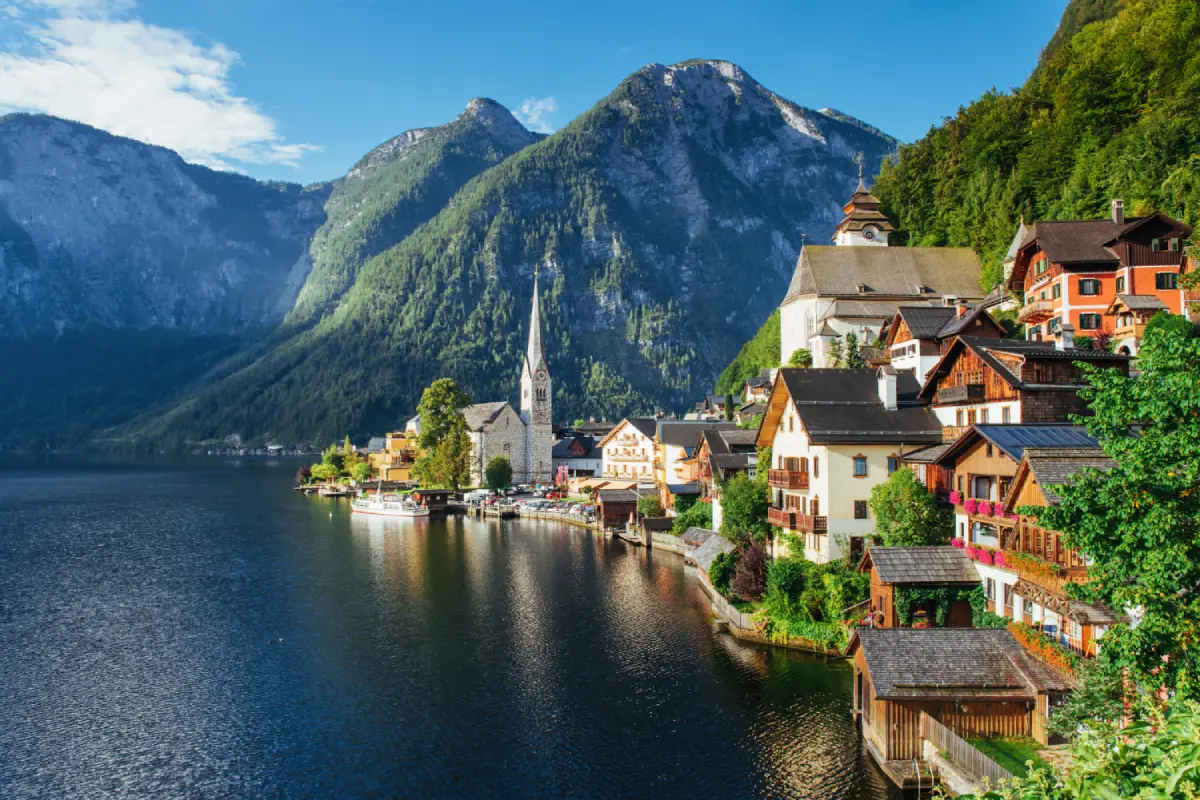
Nestled quietly between the calm, mirror-like waters of a pristine alpine lake and the jagged, towering slopes of the Dachstein Alps, a small Austrian village has captured the collective imagination of global travelers. For decades, the fairy-tale destination of
Hallstatt has stood as a living testament to Europe's rich cultural heritage, ancient industrial triumphs, and breathtaking natural architecture. Walking through its narrow, cobblestone pathways feels less like a standard vacation and more like stepping directly into a carefully preserved watercolor painting. However, experiencing this iconic destination in its truest, most authentic form requires looking far beyond the highly curated snapshots found on social media feeds.
As modern tourism continues to evolve, the distinction between a passive visitor and an intentional explorer becomes increasingly important. Understanding the deep historical currents, hidden geographical pockets, and seasonal nuances of this lakeside gem is essential for transforming a simple day trip into a profound, lifelong memory. At Major Daily, we believe that travel should be an immersive experience that respects local communities while unlocking the genuine soul of a destination. This definitive guide bypasses the superficial itineraries to provide you with a comprehensive, insider perspective on exploring one of the most mesmerizing landscapes in central Europe.
The Salt Kingdom: Over Seven Millennia of Hidden History
While the aesthetic beauty of the region is undeniable, the true foundation of its global significance lies buried deep within the dark, mineral-rich tunnels of the mountains above the town square. Long before it became a magnet for international photography,
Hallstatt was the undisputed economic powerhouse of central Europe, driven entirely by the extraction of white gold, known more commonly today as rock salt. The local salt mine is widely recognized by archaeologists as the oldest active mining operation on the planet, with active production stretching back more than seven thousand years.
The historical weight of this region is so profound that it gave its name to the Hallstatt Culture, an entire era of the early Iron Age in Europe between 800 and 450 BC. The unique, oxygen-free environment within the ancient salt chambers has perfectly preserved prehistoric textiles, wooden mining tools, and even the organic remains of ancient workers for millennia. Visitors who make the steep journey up the mountain today can explore these subterranean labyrinths, slide down authentic wooden miner slides, and stand in the exact spaces where ancient civilizations forged trade networks that spanned across the entire European continent.
Architectural Marvels Built on Limited Alpine Terrain
One of the most fascinating aspects of exploring the village is observing how human ingenuity adapted to extreme geographical constraints. Hemmed in tightly between a sheer mountain cliffside and a deep alpine lake, the residents faced a severe shortage of buildable flat land. This scarcity forced the evolution of a highly distinct, vertical architectural style where sixteenth-century Alpine houses are stacked tightly on top of one another, clinging precariously to the rocky slopes.
As you wander through the village center, you will notice that many of the traditional wooden balconies are adorned with intricately carved panels, while vibrant fruit trees are deliberately trained to grow flat against the exterior stone walls of the homes. This ingenious use of space allowed residents to cultivate fresh produce without utilizing precious ground terrain. The absence of traditional motor vehicles within the core village further enhances this intimate atmosphere, allowing the gentle sounds of lapping lake water and rustling mountain leaves to dominate the auditory landscape.
Navigating the Seasons: Finding Your Perfect Window
The visual character of the region shifts dramatically throughout the year, with each distinct season offering a completely different emotional backdrop for your journey. Choosing when to visit
Hallstatt depends entirely on whether you seek the vibrant, sun-drenched energy of summer or the quiet, snow-hushed isolation of an Alpine winter.
The Golden Glow of Alpine Summers
During the warmer months from June through September, the region bursts into a spectacular display of natural color. Lush green forests contrast sharply with the deep blue of the lake, and traditional wooden window boxes overflow with brilliant pink and red geraniums. Summer offers the most comprehensive access to outdoor activities, including panoramic boat rides across the lake, extensive hiking trails through the nearby Echern Valley, and clear visibility from the dramatic Skywalk viewing platform. However, this is also the peak tourism window, meaning early morning exploration is essential to avoid the largest crowds.
The Silent Magic of the Winter Solstice
When autumn fades and the first heavy snowfalls blanket the region in November and December, the village undergoes a breathtaking transformation. The bustling crowds disappear, replaced by a serene, meditative silence. Dustings of crisp white snow rest gently upon the dark wooden roofs, and the warm yellow glow of street lamps reflects beautifully across the glassy, misty water. Winter visitors can experience authentic Austrian holiday traditions, sip spiced mulled wine at the intimate local Christmas markets, and appreciate the raw, untouched majesty of the mountains in relative solitude.
Essential Cultural Stops Beyond the Main Viewpoint
While capturing the classic postcard perspective from the northern viewpoint is a priority for many, the true spirit of the community is found in its quiet institutional corners. Delving into these specific landmarks provides vital context regarding the unique spiritual and social traditions of this isolated alpine enclave.
- The Beinhaus (Charnel House): Located inside the micro-cemetery of the twentieth-century Catholic Church, this fascinating structure houses a collection of over six hundred artistically painted human skulls. Due to the extreme lack of burial space in the mountain graveyard, graves were traditionally reopened after ten to fifteen years. The bones were carefully cleaned, bleached in the mountain sun, and decorated with floral motifs, family names, and symbolic ivy leaves as a unique form of ancestral respect.
- The Hallstatt World Heritage Museum: This world-class cultural institution houses a vast collection of authentic artifacts recovered directly from the nearby prehistoric burial grounds. Through immersive digital displays and ancient iron weaponry, visitors can trace the daily life, artistic expressions, and complex global trade routes of the prehistoric miners who shaped European history.
- The Evangelical Church: With its elegant, slender spire piercing the sky directly at the water's edge, this nineteenth-century neo-Gothic landmark serves as an iconic structural anchor for the village landscape. Stepping inside offers a peaceful space for quiet reflection away from the main pedestrian paths.
- The Echern Valley Trails: For those looking to escape the concrete paths completely, a short walk behind the village leads into a tranquil valley filled with rushing glacial streams, moss-covered boulders, and towering waterfalls that inspired famous romantic landscape painters during the nineteenth century.
Sustainable Exploration: Preserving a Living Heritage
The immense global popularity of this destination has brought significant economic benefits, but it also places a heavy structural burden on the fragile local ecosystem and the roughly eight hundred permanent residents who call the village home. Cultivating a mindset of responsible, sustainable tourism is absolutely vital for ensuring that this historic landscape remains preserved for future generations to experience.
Practicing sustainable exploration means being deeply mindful of your immediate impact on daily village life. Respect the privacy of local residents by staying strictly on public pathways and avoiding taking photographs directly into the windows of private homes. Support the localized economy by dining at traditional family-owned guesthouses, purchasing authentic hand-carved wooden crafts from local artisans, and considering staying overnight rather than rushing through on a brief afternoon tour bus. When you slow down your pace and interact intentionally with the environment, you contribute to the preservation of the community while unlocking a far more rewarding personal experience.
Frequently Asked Questions
What is the most scenic way to arrive in the village using public transportation?
The most visually spectacular approach is by utilizing the regional train system combined with a traditional ferry ride. You take the train to the designated train station, which sits directly on the opposite side of the lake. From there, you immediately board a historic ferry boat that carries you directly across the deep water toward the village, offering an unforgettable, panoramic view of the alpine architecture as you approach the docks.
How much time should I ideally budget to explore the region properly?
While many tourists visit as part of a hurried two-hour day trip, budgeting at least one full day and an overnight stay is highly recommended. Spending the night allows you to experience the magical atmosphere of the village during the late evening and early morning hours after the day-trippers have departed, giving you ample time to tour the salt mines and visit the cultural museums without feeling rushed.
Is the historic salt mine accessible for young children or individuals with limited mobility?
Accessing the salt mine requires riding a panoramic funicular railway up the mountain slope, followed by a moderate walking path to the main entrance. Inside the mine tunnels, the terrain involves walking across uneven ground and navigating traditional wooden slides. While it is an incredible adventure for school-aged children and active adults, it may present significant physical challenges for toddlers or individuals with severe mobility constraints.
Are cars allowed within the historic center of the village?
No, the historical core of the village is a designated pedestrian zone, and general vehicle traffic is strictly prohibited. Travelers arriving by personal car must utilize the designated, paid parking lots located outside the mountain tunnels on the periphery of the town. From these parking zones, a short, scenic walk through well-lit paths leads you directly into the center of the town square.
Embarking on a journey to this historic alpine destination offers a rare opportunity to reconnect with the timeless rhythms of natural beauty and human history. By stepping away from the chaotic pace of modern life and fully immersing yourself in the rich industrial legacy and breathtaking geography of
Hallstatt, you gain a renewed appreciation for the enduring power of cultural preservation. Here at Major Daily, we are dedicated to guiding you toward travel experiences that inspire the mind and enrich the spirit. Plan your alpine itinerary with intention, embrace the quiet magic of the lakeside paths, and discover the profound wonders of Europe's historic heartland today.