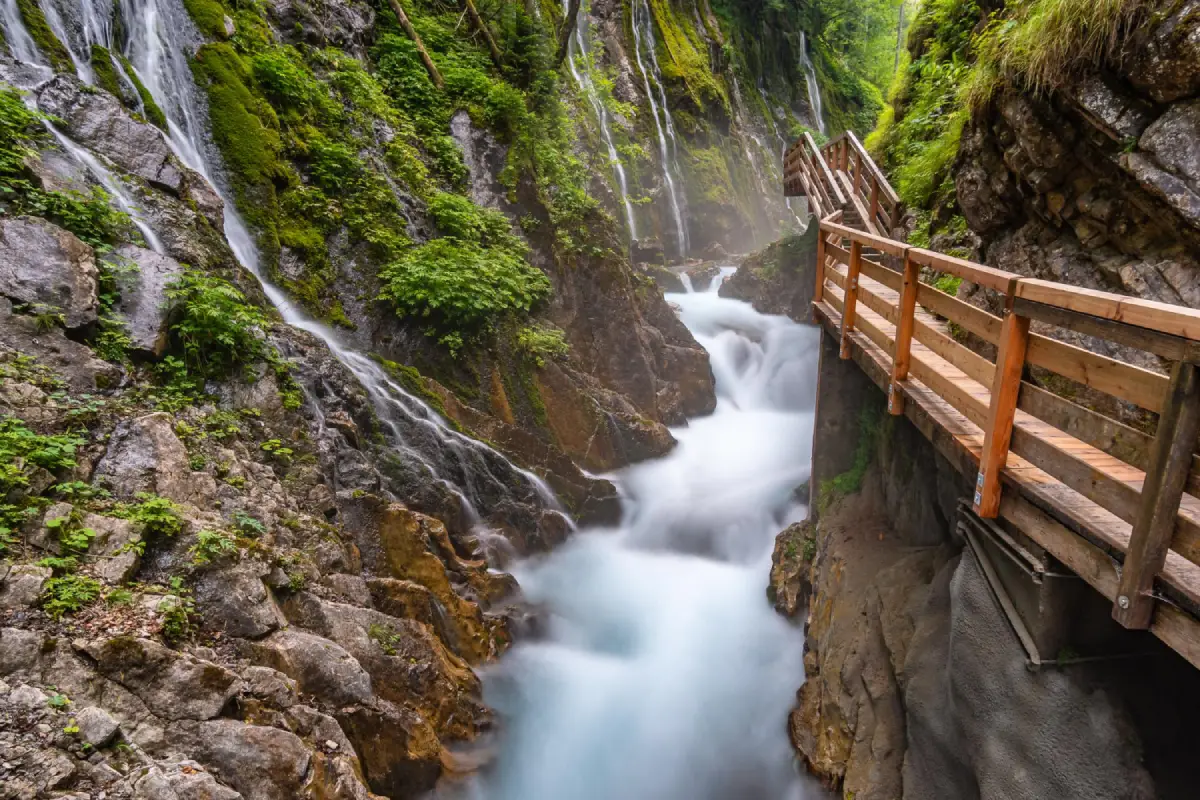
Stepping into the heart of the Julian Alps feels like entering a living fairy tale, where nature still dictates the rules of time and beauty. While many travelers flock to Slovenia to catch a glimpse of the famous lake island, a far more intense and raw natural wonder hides just a few kilometers away. The roaring sound of emerald-green water cutting through vertical limestone walls creates an acoustic and visual masterpiece that leaves an indelible mark on anyone who visits. Exploring the majestic
Vintgar Gorge offers an immersive escape from the predictable tourist routes, providing a pure connection with the wild, untamed hydrology of Europe.
For those planning a journey through Central Europe, understanding how to navigate this pristine canyon is essential for maximizing your travel experience. It is not merely about walking along a wooden pathway; it is about witnessing a thousands-of-years-old dialogue between stone and water. Here at Major Daily, we focus on breaking down global destinations with deep local insight, helping you travel smarter and more sustainably. This comprehensive guide covers the essential logistics, geological history, and insider tips needed to experience this alpine marvel in its truest form.
The Geological Genesis of the Radovna River Canyon
The sheer physical presence of the canyon is a testament to the immense power of glacial movements and river erosion. Thousands of years ago, the Radovna River found its path blocked by ice and stone during the last ice age. Forced to find a new outlet, the forceful alpine waters began carving directly through the hard limestone layers between the slopes of Hom and Borst. The result of this relentless natural engineering is a deep, narrow fracture that stretches for over one and a half kilometers.
As you walk along the cliffs, you can observe distinct horizontal lines etched into the stone faces, marking the historical levels of the river during periods of heavy snowmelt. The extreme depth of the gorge creates a localized microclimate, keeping the air significantly cooler and more humid than the surrounding valley. This unique atmospheric environment supports rare mosses, endemic ferns, and specialized alpine plant life that struggle to survive anywhere else in the region.
Navigating the Historic Edward Sumera Wooden Galleries
Experiencing the true depths of the canyon would be completely impossible without the incredible network of wooden walkways and bridges that cling directly to the sheer stone walls. First constructed in the late nineteenth century under the supervision of local cartographer Jakob Zumer and photographer Benedikt Lergetporer, these pathways transformed a dangerous, inaccessible abyss into a safe and breathtaking public trail.
The modern infrastructure preserves the original charm of these historic galleries while ensuring absolute structural safety. Walking along these paths places you directly above the swirling rapids, allowing you to feel the mist on your face and watch native brown trout navigate the crystal-clear pools below. The route is designed to follow a strict one-way system, which not only protects the delicate wooden architecture from overcrowding but also ensures that every traveler can enjoy the serene sounds of nature without the stress of two-way pedestrian traffic.
The Engineering Masterpiece of the Sum Waterfall
The grand finale of the trail manifests at the eastern exit of the canyon, where the Radovna River makes a spectacular leap over a thirteen-meter drop. The Sum Waterfall stands as the largest river waterfall in Slovenia, creating a massive, roaring pool of turquoise foam at its base. The sheer kinetic energy generated at this point is palpable, making it a favorite subject for photographers and landscape painters alike.
Directly above the waterfall spans a massive stone railway bridge built in the early twentieth century. This architectural marvel connects the local transport lines and creates a striking visual contrast between human engineering and raw wilderness. Standing on the viewing platform below the falls provides the perfect vantage point to appreciate how the wild river finally breaks free from its limestone confinement and flows peacefully toward the Sava Dolinka valley.
Essential Practical Tips for an Optimal Alpine Hike
To fully enjoy your exploration without unnecessary delays or discomfort, planning ahead is absolutely paramount. The remote nature of the gorge means that basic preparations can make a significant difference in your overall experience.
- Footwear Choices: The wooden walkways can become incredibly slick due to constant river mist and localized humidity. Lightweight hiking shoes with deep rubber tread patterns are highly recommended over smooth-soled sneakers.
- Timing Your Arrival: The narrow nature of the paths means that mid-day crowds can impact your ability to take photos and enjoy the silence. Aim to arrive during the first morning slot or late afternoon to experience the best natural lighting and minimal crowd density.
- Layered Clothing: Because the deep canyon walls block out a significant portion of direct sunlight, the temperature inside the gorge can be up to five degrees Celsius cooler than the open fields outside. Bring a light windbreaker or water-resistant jacket.
- Ticket Logistics: To preserve the ecological integrity of the park, daily entries are strictly capped. Booking your timed-entry tickets online well in advance is the only way to guarantee entry during peak summer months.
Preserving the Integrity of Fragile Alpine Ecosystems
With thousands of global travelers visiting the region every year, sustainable tourism practices are no longer optional. The delicate balance of the Radovna River ecosystem depends entirely on the collective behavior of its visitors. Trash disposal, noise control, and staying strictly on designated paths are foundational rules that help keep the waters pristine.
Local conservation organizations monitor water quality and fish populations constantly to ensure that human presence does not degrade the natural habitat. By respecting the local guidelines, packing out whatever you pack in, and supporting regional conservation fees, you help guarantee that future generations can experience the raw majesty of the mountains. Major Daily encourages all travelers to practice conscious exploration, leaving nothing behind but footprints.
Frequently Asked Questions
How long does it take to complete the entire walking loop?
The main path through the gorge itself takes roughly forty-five minutes to an hour of casual walking. However, because the path is strictly one-way, you must return to the entrance via one of two scenic hiking loops over the Hom or Borst hills. The entire round-trip experience covers about five kilometers and takes between two to two and a half hours to complete.
Is the trail suitable for young children and elderly visitors?
Yes, the wooden walkways are well-maintained, relatively flat, and equipped with secure handrails, making the gorge section highly accessible for most fitness levels. However, visitors should be aware that the return paths involve moderate uphill hiking through forests and meadows, which may be challenging for those with significant mobility issues or very young children.
Can I swim in the river or at the base of the waterfall?
Swimming is strictly prohibited throughout the entire protected park area, including the pools beneath the Sum Waterfall. The Radovna River is an alpine stream with exceptionally low water temperatures and unpredictable undercurrents, making swimming both highly dangerous for tourists and disruptive to the local fish populations.
What is the best season of the year to plan a visit?
The canyon is typically open from late spring to late autumn, usually from April to October depending on weather conditions. Late spring offers the most dramatic water flows due to alpine snowmelt, while early autumn provides a stunning backdrop of changing golden leaves against the deep turquoise waters. The park remains closed during winter due to ice hazards on the wooden decks.
Embracing the raw power of the mountains reminds us of the profound beauty that exists when nature is left to carve its own path. A journey to
Vintgar is more than a simple checkbox on a holiday itinerary; it is an educational experience that highlights the importance of environmental preservation and historical engineering. Here at Major Daily, we are dedicated to bringing you highly accurate, inspiring, and responsible travel insights from every corner of the globe. Plan your alpine adventure today, respect the power of the moving water, and discover the true definition of an untamed European wilderness.