Modern life moves at the speed of a fiber-optic cable. We wake up to smartphone alarms, spend eight hours staring at office monitors, and unwind by streaming shows on tablets. While this digital ecosystem boosts productivity and connects us globally, it also introduces a quiet, modern crisis that millions experience but few fully understand. The human body and mind were simply not designed to be tethered to glowing screens and constant notifications for sixteen hours a day. Consequently, a growing wave of physical and psychological ailments, collectively categorized as a technology-related illness', is beginning to reshape the landscape of public health.
Recognizing the signs of digital strain before they escalate into chronic conditions is essential for anyone living in the twenty-first century. This is not about abandoning your devices or moving to a remote cabin without Wi-Fi. Instead, it is about developing a deep, sustainable awareness of how glowing displays, repetitive motions, and algorithmic feedback loops impact your biology. By understanding the root causes of these contemporary health challenges, you can reclaim your well-being without sacrificing your digital edge.
The Physical Toll of Continuous Device Exposure
The most immediate and tangible consequences of our digital habits manifest in our musculoskeletal and visual systems. When you slouch over a smartphone, the effective weight of your head on your cervical spine increases dramatically, jumping from about twelve pounds in a neutral position to nearly sixty pounds at a sixty-degree tilt. This prolonged strain leads to severe muscle imbalances, chronic neck pain, and tension headaches, conditions that health professionals encounter with alarming frequency.
Simultaneously, our eyes bear a massive burden. Looking at digital displays reduces our blink rate by up to fifty percent, causing the protective tear film on the eye surface to evaporate rapidly. This results in blurred vision, burning sensations, and difficulty focusing, which are classic indicators of digital eye strain. Furthermore, the intense blue light emitted by these screens suppresses the natural production of melatonin, throwing off our circadian rhythms and destroying the quality of deep, restorative sleep.
Psychological Strain and Cognitive Fragmentation
Beyond the physical aches, the mental impact of constant connectivity is arguably more insidious. The human brain thrives on focus, yet the modern digital environment is engineered for fragmentation. Every notification, email alert, and social media ping triggers a micro-dose of dopamine, conditioning our brains to constantly seek out short-term validation. Over time, this erodes our attention spans, making deep work and sustained concentration incredibly difficult to achieve.
This state of perpetual readiness triggers a low-grade, chronic stress response. The pressure to remain instantly reachable, combined with the curated realities displayed on social networks, feeds into a cycle of anxiety and inadequacy. When your mind is never permitted to enter a state of true rest, cognitive fatigue sets in, leaving you feeling drained even after a full weekend of supposed relaxation.
Practical Strategies for a Healthier Digital Lifestyle
Mitigating the risks of a technology-related illness' requires proactive, deliberate boundaries rather than passive reliance on willpower. Implementing structural changes to your daily routine can dramatically reduce physical discomfort and mental fatigue, ensuring a harmonious relationship with your tools.
Optimizing Your Workspace Ergonomics
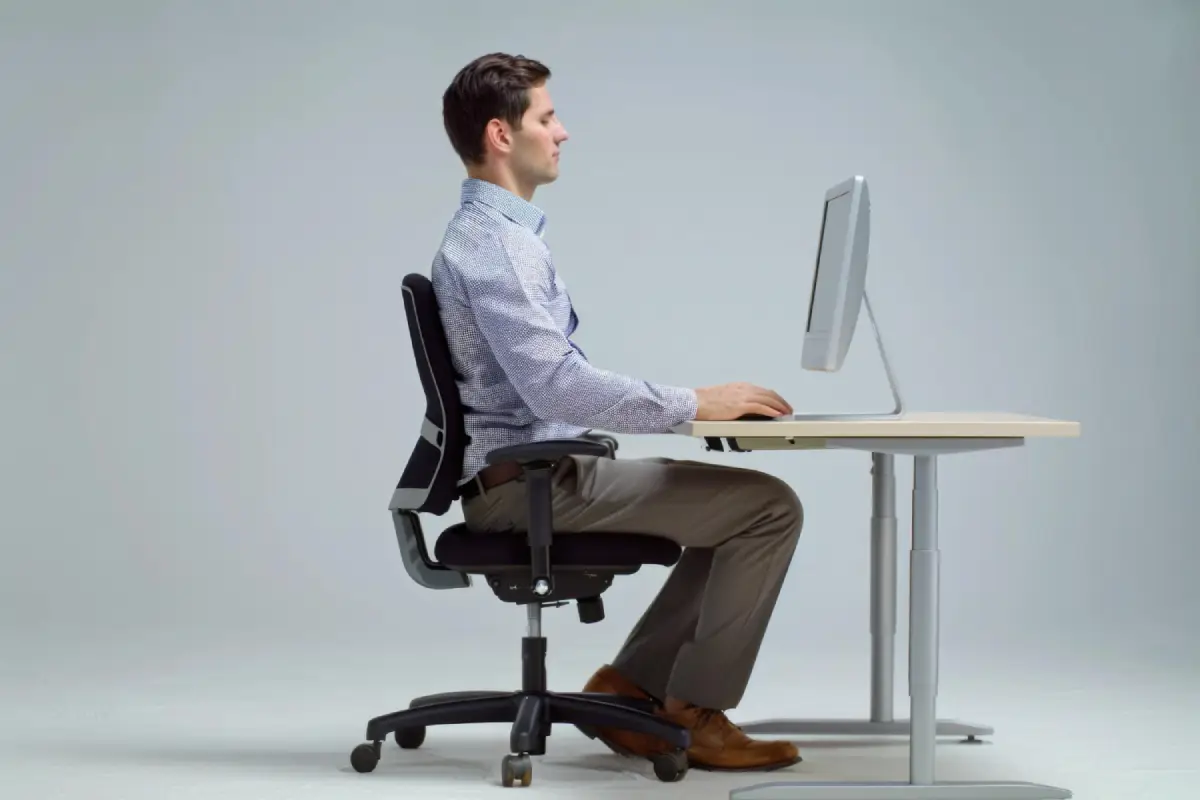
Preventing physical degradation begins with your immediate environment. Your monitor should sit directly at eye level, roughly an arm's length away, preventing you from tilting your head forward. Keep your feet flat on the floor, your knees at a ninety-degree angle, and your wrists supported in a neutral, straight position while typing. Investing in a high-quality supportive chair or an adjustable standing desk can mitigate the systemic damage caused by hours of sedentary computer work.
Implementing the 20-20-20 Rule
To combat visual fatigue, incorporate the classic ophthalmology standard into your workday. Every twenty minutes, look away from your screen and focus your eyes on an object located at least twenty feet away for a minimum of twenty seconds. This simple habit forces the ciliary muscles in your eyes to relax, stimulates natural blinking, and prevents the onset of debilitating eye strain.
Establishing Strict Digital Curfews
Protect your sleep architecture by banning all glowing screens at least one hour before bed. Replace late-night scrolling with analog activities such as reading a physical book, journaling, or stretching. By removing high-energy blue light from your evening routine, you allow your brain to naturally produce melatonin, leading to faster sleep onset and significantly higher sleep quality.
Cultivating Long-Term Digital Resilience
True wellness in the digital age is not achieved through a temporary weekend detox; it requires a permanent shift in philosophy. View your devices as tools to be utilized intentionally, rather than masters that dictate your time and attention. Turn off non-essential notifications, curate your digital feeds to minimize toxic comparisons, and dedicate specific blocks of time for offline living. When you establish ownership over your digital space, your physical and mental health will naturally begin to recover.
Frequently Asked Questions
Can regular computer use cause permanent damage to my vision?
While digital eye strain causes significant discomfort, dryness, and temporary blurred vision, there is currently no definitive clinical evidence that it causes permanent, irreversible structural damage to adult eyes. However, the chronic discomfort can severely impact daily productivity and overall life quality, making preventative habits like proper workspace lighting and regular screen breaks absolutely essential.
How do I know if my fatigue is caused by technology or something else?
A strong indicator that your fatigue is tied to device usage is when your symptoms peak after long sessions of screen time and improve significantly during periods of extended disconnection, such as a vacation or a tech-free weekend. If your exhaustion is accompanied by eye burning, neck stiffness, and mental fog right after working on a laptop, a technology-related illness' is a highly likely contributor.
Are blue light blocking glasses actually effective?
Blue light glasses can help reduce visual glare and mitigate the sleep-disrupting effects of evening screen use by filtering out high-energy visible wavelengths. However, they are not a silver bullet for eye strain. They cannot compensate for poor posture, low blink rates, or a lack of regular breaks, meaning they should be used as a supplementary tool alongside proper ergonomics.
What is the most effective way to reduce digital anxiety?
The most efficient method is to aggressively filter your incoming stimuli. Disabling push notifications for social media, news apps, and non-urgent emails instantly reduces the cognitive load on your brain. Setting clear boundaries for when you check your devices prevents your mind from remaining in a continuous state of high-alert stress.
Prioritizing your well-being does not mean falling behind in a tech-driven market. By understanding the mechanisms of a technology-related illness' and implementing structured habits, you protect your primary asset, which is your health. Here at Major Daily, we believe that true innovation should empower your life, not exhaust your body. Take control of your daily routines today, establish intentional digital boundaries, and experience the profound benefits of a balanced, vibrant, and focused lifestyle.