
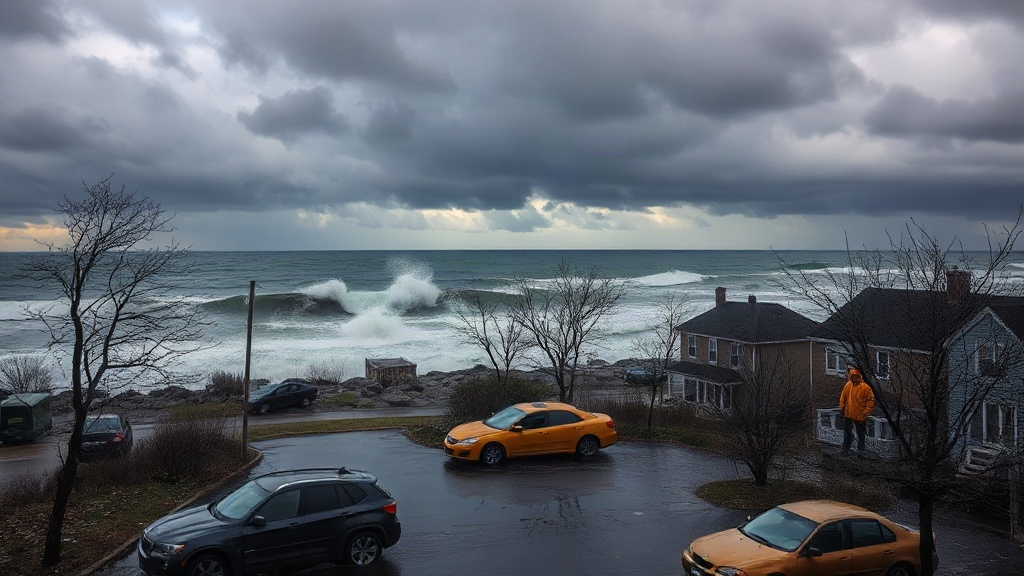
After days of lashing the East Coast with heavy rain and fierce winds, the nor’easter that dominated the weekend weather has finally begun to lose its grip. But don’t put away the rain boots just yet. The storm, though weaker, is expected to linger off the coast, continuing to funnel moisture into parts of the northern East Coast through the beginning of the week. That means the threat of flooding remains very real, especially in low-lying and coastal areas.
For residents from the Mid-Atlantic up through New England, the next 48 hours will be a test of patience and preparedness. While the worst of the wind and surge may be over, the saturated ground and swollen rivers leave little room for additional rainfall. Even modest amounts could trigger renewed flooding, and the health risks associated with standing water and power outages are far from over.
Where the Storm Stands Now
The nor’easter formed when a strong low-pressure system collided with cold air funneling down from Canada, creating a classic setup for heavy precipitation along the Eastern Seaboard. Over the weekend, it dumped several inches of rain across the region, with some areas reporting localized totals that exceeded monthly averages. Winds gusted to hurricane-force in exposed coastal spots, downing trees and knocking out power to hundreds of thousands of homes and businesses.
As of early Monday, the center of the storm had drifted farther offshore, and its central pressure had risen, a sign of weakening. But its counterclockwise circulation is still pulling Atlantic moisture onshore, and that’s why the rain hasn’t completely stopped. Forecasters warn that the slow-moving nature of the system means some areas could see repeated rounds of light to moderate rain, prolonging the flood threat.
“The storm is weakening, but it’s not done with us yet,” said a meteorologist with the National Weather Service. “We’re looking at a prolonged period of unsettled weather, and that’s going to keep rivers and streams running high.”
Why Flooding Remains a Concern
Flooding is often the deadliest and most destructive part of any coastal storm, and this nor’easter is no exception. Even after the heaviest rain ends, water continues to drain from higher elevations into rivers and creeks, meaning peak flood levels can occur days later. In many communities, the ground is already saturated, so any additional rain will run off quickly instead of being absorbed.
Coastal areas also face the risk of minor to moderate tidal flooding during high tide cycles. The combination of lingering onshore winds and elevated sea levels can push water into bays and estuaries, causing street flooding in vulnerable neighborhoods. For people living near the coast, it’s crucial to stay informed about local tide times and flood advisories.
Moreover, the storm’s slow exit means that flood watches and warnings may remain in effect for several more days. These alerts are not just bureaucratic formalities; they are based on real-time data and are designed to give you time to act. Ignoring them can put you and your family at risk.
Health and Safety Risks Beyond the Rain
While the immediate concern is flooding, the aftermath of a nor’easter can pose a range of health hazards. Power outages, which are still affecting many homes, can disrupt medical equipment, spoil food, and compromise heating or cooling systems. If you’re using a generator, make sure it’s placed outdoors and away from windows to prevent carbon monoxide poisoning, a silent killer that sends thousands to the emergency room each year.
Standing water is another danger. It can hide sharp debris, downed power lines, and contaminants like sewage or chemicals. Never walk or drive through floodwaters. Just six inches of moving water can knock you off your feet, and a foot of water can float a car. If you must clean up after flooding, wear protective clothing, including gloves and boots, and wash your hands thoroughly afterward.
Mental health is also important. The stress of dealing with a prolonged storm, property damage, and displacement can take a toll. It’s okay to feel anxious or overwhelmed. Reach out to friends, family, or mental health professionals if you need support. Community resources and disaster helplines are often available.
How to Stay Safe in the Days Ahead
As the nor’easter continues to weaken, your focus should shift to recovery and preparedness for any remaining impacts. Here are some practical steps you can take right now:
- Monitor local forecasts and alerts. Conditions can change rapidly, so check updates from trusted sources like the National Weather Service or local emergency management agencies.
- Avoid flooded roads. Turn around, don’t drown. It’s never worth the risk.
- Check on neighbors. Elderly individuals, those with disabilities, and families with young children may need extra help.
- Prepare for power outages. Charge devices, stock up on non-perishable food and water, and have flashlights and batteries ready.
- Document any damage. Take photos and contact your insurance company as soon as it’s safe to do so.
If you live in an area prone to flooding, consider moving valuables to higher floors and having a go-bag ready in case you need to evacuate. Planning ahead reduces panic and keeps you in control.
What This Means for the Week Ahead
By midweek, the nor’easter is expected to finally dissipate or merge with another system, leading to a gradual return to calmer weather. However, the cleanup and recovery will take time. Rivers may stay above flood stage for several days, and some roads may remain closed. It’s a good idea to keep an eye on local news and official social media channels for updates on road conditions, school closures, and shelter information.
While it’s natural to feel relieved that the worst is over, staying vigilant is key. The lingering effects of this storm serve as a reminder of how powerful nature can be and how important it is to heed warnings. By taking simple precautions, you can protect yourself, your loved ones, and your community.
Frequently Asked Questions
Is it safe to drive through a flooded road if I have a large vehicle?
No. It’s never safe to drive through floodwaters, regardless of your vehicle’s size. Water depth and speed can be deceiving, and just a foot of moving water can sweep away most cars. The road beneath may also be washed out. Turn around and find an alternate route.
How long will the flood risk last after the rain stops?
Flood risk can persist for days after the rain ends, especially in river basins where water continues to drain from upstream. Small streams may recede quickly, but larger rivers can remain above flood stage for a week or more. Pay attention to local flood warnings even after the sun comes out.
What should I do if my power is still out and I’m using a generator?
Never run a generator indoors, in a garage, or near windows. Place it outside, at least 20 feet away from your home, and make sure the exhaust is directed away from windows and doors. Install carbon monoxide detectors on every level of your home and test them regularly. If you feel dizzy, nauseous, or confused, get to fresh air immediately and call 911.
Can I drink tap water after a flood?
If your area is under a boil water advisory, do not drink tap water without boiling it first for at least one minute. Flooding can contaminate municipal water supplies with bacteria and other pathogens. Listen to guidance from local authorities and use bottled water if available.
How can I help my community recover?
Check on neighbors, volunteer with local relief organizations, and donate to reputable charities. If you’re able, offer temporary shelter or a helping hand with cleanup. Small acts of kindness can make a big difference in the aftermath of a storm.