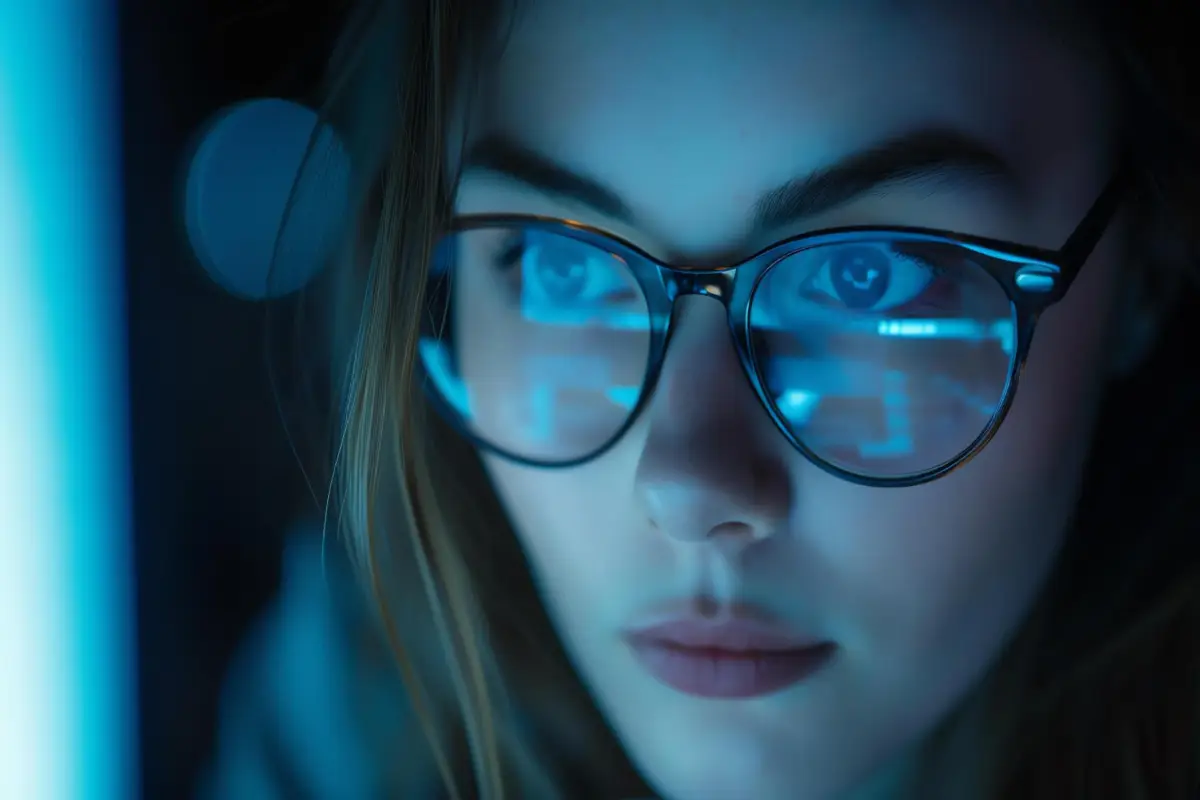
The modern workplace has evolved from paper-heavy desks to dynamic, multi-display workstations. While this digital shift has streamlined global productivity, it has simultaneously introduced an invisible strain on our visual biology. Spending eight to ten hours a day shifting focus between spreadsheets, video conferences, and smartphone alerts forces the delicate muscles of the eyes to work in a state of perpetual overdrive. As a result, millions of professionals experience daily fatigue, blurred vision, and persistent headaches before their afternoon coffee break. Finding a sustainable shield against this digital onslaught is no longer a luxury, and investing in high-quality screen glasses has quickly emerged as a fundamental necessity for the contemporary workforce.
Protecting your visual longevity requires more than just dimming your monitor or closing your eyes for a few seconds when discomfort strikes. True ocular wellness involves altering how light interacts with your eyes throughout the day. By understanding the underlying physics of digital displays and the biology of human vision, you can curate a workspace that fosters sustained focus without sacrificing your physical comfort. Implementing targeted visual interventions allows you to maintain peak cognitive performance while safeguarding your systemic health from the unseen hazards of the modern office environment.
The Hidden Impact of High-Energy Visible Light
Every digital display we utilize relies on light-emitting diodes to produce vibrant, crisp imagery. However, this crispness comes at a cost, as these backlights emit a disproportionate amount of high-energy visible light, particularly in the blue-violet spectrum. Unlike natural sunlight, which is balanced across a full spectrum of colors, the artificial blue light from office monitors penetrates deep into the eye, reaching all the way to the retina. Prolonged, unshielded exposure to this specific wavelength generates oxidative stress within retinal cells, leading to gradual visual fatigue and a noticeable decline in contrast perception.
Furthermore, artificial blue light fundamentally disrupts our internal biological clocks. The human brain relies on natural light cues to regulate the production of melatonin, the hormone responsible for deep, restorative sleep. When we absorb intense blue wavelengths late into the evening from laptops and smartphones, our brains receive a false signal that it is still midday. This chronic suppression of melatonin disrupts sleep architecture, leaving professionals feeling perpetually exhausted despite spending an adequate number of hours in bed.
Deconstructing Digital Eye Strain
The physical discomfort experienced during a long day of screen-based work is clinically recognized as computer vision syndrome. When staring at a digital display, our natural blinking frequency drops significantly, sometimes decreasing by more than fifty percent. Blinking is the body's native mechanism for replenishing the tear film that coats and protects the cornea. Without regular blinking, the moisture on the surface of the eye evaporates rapidly, resulting in a gritty sensation, redness, and chronic dryness that compromises your focus.
In addition to surface dryness, the internal mechanics of the eye suffer under prolonged digital focus. The ciliary muscles must constantly contract to maintain sharp focus on a flat, pixelated surface located at a fixed distance. Because digital text is composed of pixels rather than solid ink, the edges are less defined, forcing the eye to continually micro-adjust to keep the image sharp. This continuous muscular exertion is the primary driver behind the tension headaches and brow aches that commonly manifest after hours of intensive data analysis or design work.
Strategic Methods to Optimize Your Daily Visual Comfort
Addressing the challenges of the modern digital landscape requires a multi-layered approach that combines optical technology with behavioral adjustments. By implementing deliberate, structural changes to your routine, you can drastically reduce the physical toll of your daily workflow.
Integrating Dedicated Screen Glasses
The most immediate and effective defense against artificial light strain is the adoption of specialized eyewear. Incorporating premium screen glasses into your daily routine provides a passive, highly efficient filter that intercepts high-energy visible light before it reaches your cornea. These lenses are engineered with advanced coatings that selectively deflect harmful blue-violet wavelengths while allowing beneficial light to pass through. This stabilization of light entry immediately enhances contrast, reduces the necessity for constant micro-focusing, and alleviates the underlying muscular strain that triggers digital headaches.
Restructuring Workspace Ergonomics
The physical positioning of your displays plays a massive role in how hard your eyes have to work. Position your primary monitor directly in front of you, with the top of the screen aligned precisely at or slightly below eye level. This placement ensures that your gaze is directed slightly downward, which minimizes the exposed surface area of your eyes and reduces tear evaporation. Keep the monitor approximately twenty to twenty-eight inches away from your face to allow the ciliary muscles to relax into a more natural, less strained state of focus.
Managing Ambient Lighting and Glare
Unbalanced ambient light forces your eyes to contend with competing sources of brightness, drastically increasing visual fatigue. Avoid placing your workstation directly in front of or opposite unshaded windows, as this creates harsh glare and extreme contrast differences. Use diffuse, overhead lighting rather than harsh fluorescent tubes, and consider adding an adjustable task lamp to illuminate physical paperwork without reflecting off your monitor. Matching the brightness of your display to the ambient light of the room prevents the eyes from overworking as they adjust between light and dark fields.
Developing Sustainable Visual Habits
Long-term occupational wellness is built on consistency rather than occasional remedies. Treat your visual health as a critical asset that requires active management throughout your career. Dedicate time to stepping away from all digital interfaces during your breaks, allowing your eyes to rest in an analog environment. Train yourself to be mindful of your blink rate, especially when deeply engrossed in complex tasks, and keep preservative-free lubricating drops nearby to assist during dry winter months when office heating systems strip moisture from the air.
Frequently Asked Questions
Do screen glasses alter the colors on my display?
High-quality modern lenses are designed to optimize color neutrality while providing maximum protection. While older generations of blue light filters left a heavy, noticeable yellow tint over everything, contemporary screen glasses utilize sophisticated coatings that filter specific harmful wavelengths while maintaining excellent color accuracy. This makes them highly suitable for professionals who require precise color distinction, such as digital designers and video editors.
Can I wear these specialized lenses if I do not have a prescription?
Yes, these protective lenses are widely available in non-prescription forms, often referred to as plano lenses. They are specifically crafted for individuals who possess naturally clear vision but still require defense against digital strain, blue light exposure, and screen glare during long hours of office work.
How long does it take to notice the benefits of protective eyewear?
Many individuals report a noticeable reduction in eye strain, tension headaches, and visual fatigue within the first forty-eight hours of consistent use. The improvement in sleep quality typically manifests within a week as the reduction of evening blue light exposure allows natural circadian rhythms to stabilize.
Should I wear these glasses even when using my smartphone at night?
Utilizing them during evening hours is highly beneficial. Smartphones are held closer to the face than computer monitors, exposing your eyes to a high concentration of blue light right before you attempt to sleep. Wearing your protective lenses during late-night reading or browsing helps preserve your melatonin production and ensures a smoother transition into deep sleep.
Sustaining visual endurance in an environment dominated by digital interfaces requires clear intention and the right protective tools. By integrating high-quality screen glasses into your daily ritual and refining your workspace habits, you actively insulate your physical well-being from the unique pressures of modern professional life. Here at Major Daily, we are dedicated to helping you optimize every facet of your contemporary lifestyle, ensuring that your health and productivity rise in perfect unison. Elevate your workspace standards today, implement these vital visual safeguards, and experience a sharper, more comfortable, and infinitely more energized approach to your daily achievements.