
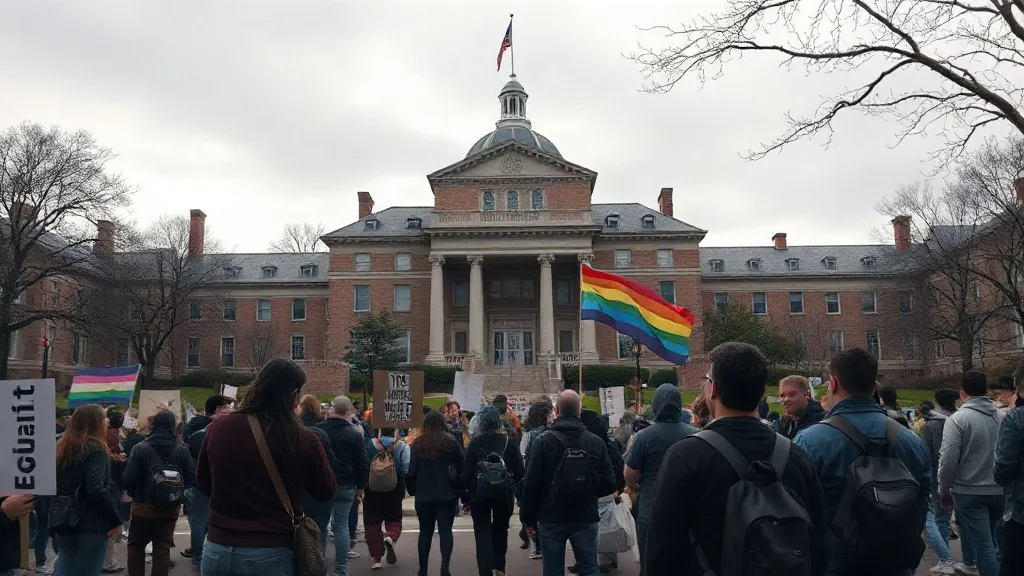
When a transgender professor at a Tennessee university was dismissed last week over restroom use, the decision sent shockwaves through the campus and beyond. The case has thrust a long-simmering debate into the spotlight: how do universities balance inclusivity, privacy, and legal compliance when it comes to gender identity? For many students and faculty, the firing represents a step backward for LGBTQ+ rights; for others, it underscores the need for clear policies that respect everyone's comfort and safety.
The Incident and Immediate Aftermath
According to sources familiar with the situation, the professor, who had been with the university for several years, was terminated after a complaint was filed regarding their use of a women's restroom. The university administration cited violations of campus policy and state law. In a brief statement, the university said it is committed to a respectful environment for all but must adhere to legal requirements. The professor could not be reached for comment, but their attorney has indicated plans to challenge the dismissal.
The termination has sparked protests on campus, with students organizing sit-ins and faculty members signing petitions demanding reinstatement. The case has also drawn attention from national LGBTQ+ advocacy groups, who argue that such actions discriminate against transgender individuals and violate their rights.
Legal Landscape in Tennessee
Tennessee has been at the forefront of legislative efforts targeting transgender individuals. In recent years, the state has passed laws restricting access to restrooms, sports participation, and healthcare for transgender people. The most relevant here is the Tennessee Accommodations for All Children Act, which requires public schools and universities to designate restrooms and locker rooms based on biological sex. This law, signed in 2021, has been criticized by civil rights organizations as discriminatory.
Legal experts suggest that the professor's dismissal may hinge on how the law is interpreted. "The university is in a tough spot," says Sarah Thompson, a professor of law at a neighboring institution. "They have to follow state law, but they also have federal obligations under Title VII and Title IX, which prohibit sex discrimination. The question is whether gender identity is covered under those protections."
Impact on the Transgender Community and Campus Climate
For transgender students and faculty, the firing sends a chilling message. "It feels like we're being told we don't belong here," says Jamie, a transgender student who asked to use only their first name. "I've always felt safe on this campus, but now I'm not so sure." The university's LGBTQ+ center has reported an increase in requests for counseling and support services.
The incident also raises questions about how universities can support transgender employees while navigating legal constraints. Some suggest that institutions should advocate for policy changes at the state level, while others emphasize the need for clear, inclusive guidelines that protect everyone's rights.
Reactions from University Administration and Advocacy Groups
The university's president released a video message acknowledging the pain caused by the decision but insisted that the institution must comply with the law. "We are committed to diversity and inclusion, but we cannot ignore our legal obligations," the president said. The administration has promised to review its policies and engage with stakeholders to find a path forward.
Meanwhile, the American Civil Liberties Union (ACLU) of Tennessee has condemned the firing, calling it "a blatant act of discrimination" and vowing to explore legal options. "Transgender people deserve to live and work with dignity, free from discrimination," said a spokesperson for the ACLU. "We will not stand by while they are targeted."
What This Means for Higher Education
This case is not isolated. Across the country, universities are grappling with similar issues as state legislatures pass laws targeting transgender individuals. The outcome of this dispute could set a precedent for how institutions handle conflicts between state law and federal anti-discrimination protections.
For students and faculty, the incident serves as a reminder that progress is fragile and that advocacy is more important than ever. As one faculty member put it, "We need to ensure that our campuses are places where everyone can learn and work without fear."
Frequently Asked Questions
What exactly happened at the Tennessee university?
A transgender professor was fired after using a women's restroom, which the university said violated state law and campus policy. The professor had been employed there for several years.
What is the Tennessee Accommodations for All Children Act?
It's a 2021 law that requires public schools and universities to designate restrooms and locker rooms based on biological sex, effectively banning transgender individuals from using facilities that match their gender identity.
How might this affect other transgender employees in Tennessee?
It could embolden other institutions to enforce similar policies, potentially leading to more discrimination cases. It may also discourage transgender individuals from seeking employment in the state.
What legal recourse does the professor have?
The professor could file a lawsuit claiming discrimination under Title VII or Title IX, arguing that the dismissal violates federal protections against sex discrimination. The case could also challenge the state law itself.
What can students and faculty do to support transgender colleagues?
They can advocate for inclusive policies, participate in protests, and support LGBTQ+ organizations on campus. Engaging in dialogue with administrators and lawmakers is also crucial.