
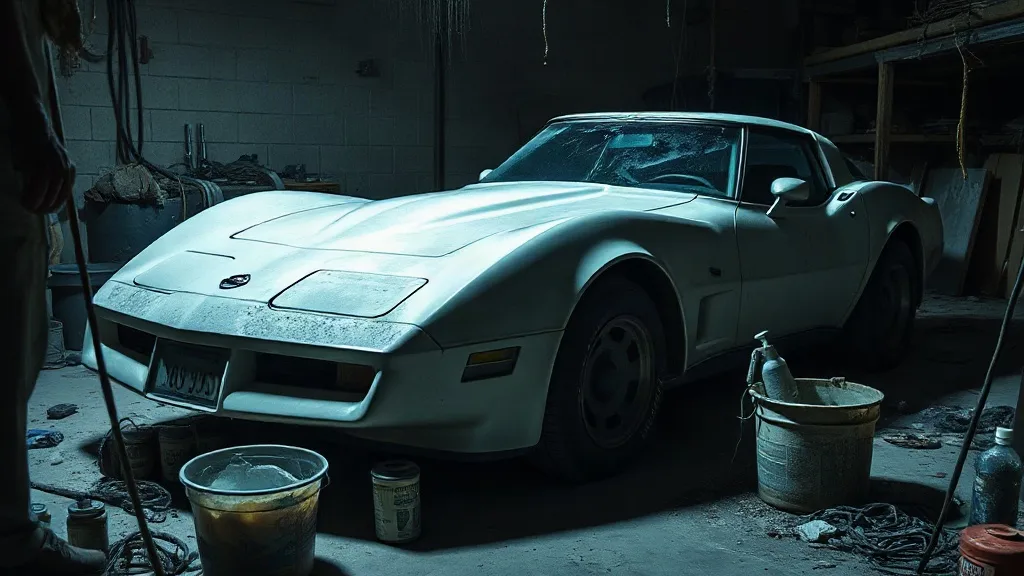
There's a particular kind of sadness in seeing a sports car surrendered to neglect. A C4 Corvette, once a symbol of affordable performance and bold American design, recently emerged from a 25-year slumber. Its first deep clean wasn't just about soap and water; it was an archaeological dig into layers of grime, oxidation, and forgotten history. The car's condition tells a story of exposure and abandonment, and the cleaning process reveals just how much effort is required to reverse time's toll.
The C4 Corvette: A Brief Background
Introduced in 1984, the fourth-generation Corvette represented a significant leap forward for Chevrolet. With its sleek, aerodynamic body, advanced suspension, and the iconic L98 V8 engine, the C4 was a technological tour de force for its time. It was the first Corvette with a fully digital dashboard and a removable roof panel, and it set the stage for the modern Corvette era. Despite its merits, many C4s have fallen into neglect, often overshadowed by later models or simply forgotten in garages and backyards.
This particular Corvette, a victim of circumstance, sat abandoned for a quarter of a century. The reasons are unknown, but the result is clear: a once-proud machine reduced to a dusty, weathered relic. Its first deep clean is not just a cosmetic exercise but a necessary step toward assessing its viability for restoration.
The First Deep Clean: More Than a Wash
When a car has been sitting for 25 years, a simple wash and wax won't cut it. The deep clean process involves multiple stages, each targeting different types of contamination. The goal is to remove years of accumulated dirt, mold, and oxidation without causing further damage to the delicate surfaces underneath.
Exterior Decontamination
The exterior of the Corvette likely wore a thick layer of dust, pollen, and possibly mold. The first step is a gentle pre-rinse to loosen debris, followed by a foam cannon application to lift dirt. After that, a two-bucket wash with a pH-neutral shampoo prevents scratching. But the real challenge is the bonded contaminants: tree sap, tar, and industrial fallout that have chemically bonded to the clear coat. A clay bar treatment is essential to pull these out, but on a neglected car, the clear coat may already be compromised, requiring careful technique to avoid marring.
Interior Revival
The interior of a long-abandoned car is a biohazard zone. Mold, mildew, and rodent droppings are common. The deep clean involves removing all loose debris, vacuuming with a HEPA filter, and then steam cleaning every surface to kill bacteria and remove stains. Leather seats, if present, need special care: they may be dried out and cracked, requiring a gentle leather cleaner and conditioner to restore suppleness. The C4's digital dashboard is particularly vulnerable to moisture and dust, so careful cleaning of the electronics is crucial.
Engine Bay and Undercarriage
The engine bay of a sitting car is a haven for critters. Nests, chewed wires, and corroded connections are common. A deep clean here starts with a thorough inspection and removal of debris, followed by a degreaser application and a gentle rinse. The undercarriage, often overlooked, harbors rust and rot. Pressure washing must be done cautiously to avoid forcing water into sensitive components. The goal is to remove caked-on mud and salt, then assess the frame for structural integrity.
Why This Matters: The Value of Preservation
This Corvette's story is not unique. Across the world, countless classic and modern sports cars languish in garages, driveways, and fields, victims of changing priorities, financial hardship, or simple neglect. The first deep clean is often the moment of truth: it reveals whether a car is a candidate for restoration or merely a parts donor. For enthusiasts, the process is a labor of love, a chance to rescue a piece of automotive history.
Moreover, the deep clean serves a practical purpose. It allows for a thorough inspection of the car's condition, uncovering hidden rust, leaks, or structural damage. It also prevents further deterioration by removing corrosive substances like bird droppings and road salt. In the case of this C4 Corvette, the deep clean is the first step toward potentially returning it to the road, preserving a slice of American automotive culture for future generations.
What's Next for This Corvette?
After the deep clean, the owner faces a decision: restore, sell, or part out. The C4 Corvette has a devoted following, and values for clean examples have been steadily rising. However, a 25-year abandonment likely means significant mechanical work is needed. The engine may be seized, the transmission may need a rebuild, and the electrical system could be a nightmare. The deep clean provides a baseline, a starting point for the restoration journey.
For those considering a similar project, the key is patience and thoroughness. Rushing the cleaning process can cause more harm than good. It's also important to set a realistic budget and timeline. Restoring a neglected car is rarely a quick or cheap endeavor, but the reward of bringing a classic back to life is immeasurable.
Frequently Asked Questions
How long does a deep clean take for a car abandoned for decades?
It can take anywhere from several days to a week or more, depending on the condition. The process involves multiple stages, including exterior decontamination, interior sanitization, and engine bay cleaning, each requiring careful attention and drying time between steps.
Can a car sitting for 25 years still be restored?
Yes, but it depends on the extent of damage. Rust, seized engines, and electrical issues are common. A thorough inspection after cleaning will determine if restoration is feasible. Some cars are too far gone, but many can be revived with enough time and resources.
What are the first steps after a deep clean?
After cleaning, the next steps are usually a mechanical assessment: checking fluids, turning the engine by hand, and inspecting the fuel system. It's also wise to replace all rubber components like hoses and belts, as they degrade over time.
Is it worth restoring a C4 Corvette?
For enthusiasts, yes. The C4 is an affordable entry into Corvette ownership, and values are appreciating. However, restoration costs can exceed the car's value, so it's important to do it for the love of the car rather than profit.
How can I prevent my car from ending up like this?
Regular driving and maintenance are key. If storing long-term, use a car cover, keep it in a dry place, and start it occasionally. Proper preparation before storage can save years of neglect.