
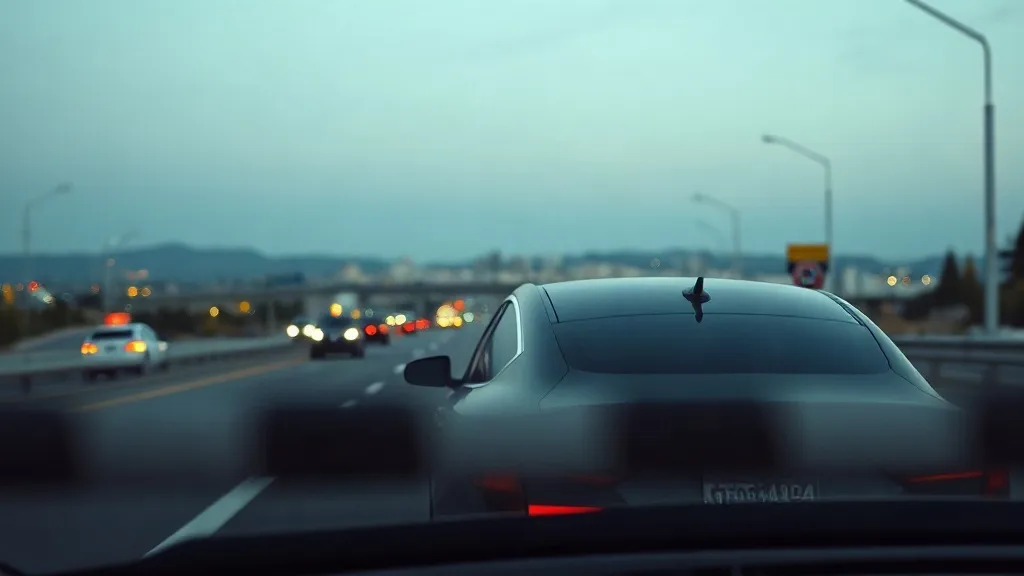
In a move that has sent ripples through the autonomous vehicle industry, California regulators have ordered Waymo to cease freeway operations following a series of safety incidents. The decision, announced by the California Public Utilities Commission (CPUC), comes after reports of collisions and near-misses involving Waymo's robotaxis on high-speed roads. While the company has downplayed the severity of the incidents, the ban raises critical questions about the readiness of autonomous technology for complex, high-speed environments and the regulatory hurdles that lie ahead.
The Incidents That Triggered the Ban
The ban follows a string of incidents in recent months, including a collision on a San Francisco freeway where a Waymo vehicle failed to properly navigate around a stalled car, and another episode where a robotaxi abruptly stopped in a live lane, causing a multi-vehicle pileup. Although no fatalities were reported, the CPUC cited "an unacceptable risk to public safety" in its order. Waymo, which has been operating freeway routes in California as part of its expanding service area, has been given 30 days to submit a remediation plan and must suspend all freeway operations until further notice.
The company has emphasized that its vehicles have collectively driven millions of miles on freeways with a strong safety record, but regulators remain unconvinced. "We take any incident seriously, and we are working closely with the CPUC to address their concerns," a Waymo spokesperson said in a statement. "Our technology is designed to prioritize safety, and we will use this period to further validate our systems."
Why This Matters for the Robotaxi Business
The freeway ban is more than just a regulatory hiccup for Waymo; it strikes at the heart of the robotaxi business model. Freeways are essential for efficient, long-distance rides, which are a key revenue driver for autonomous ride-hailing services. Without freeway access, Waymo's service area is effectively confined to surface streets, limiting its ability to compete with traditional ride-hailing giants like Uber and Lyft on longer trips.
Moreover, the ban could have a chilling effect on the entire autonomous vehicle sector. Investors have poured billions into robotaxi companies, betting on a future where self-driving cars dominate urban mobility. But safety incidents and regulatory pushback threaten to slow that vision. "This is a wake-up call for the industry," says Dr. Elena Voss, a transportation policy expert at Stanford University. "Regulators are becoming more assertive, and companies need to demonstrate not just technological prowess but also a robust safety culture."
The financial implications are significant. Waymo, owned by Alphabet, has been expanding aggressively, but freeway operations are a critical component of its growth strategy. A prolonged ban could delay revenue targets and force the company to recalibrate its expansion plans. Competitors like Cruise and Tesla, which are also developing autonomous driving features, are watching closely, as regulatory decisions in California often set a precedent for other states.
The Regulatory Landscape: A Patchwork of Rules
California has long been at the forefront of autonomous vehicle regulation, but the rules are complex and often fragmented. The CPUC oversees passenger services, while the Department of Motor Vehicles (DMV) handles testing and deployment permits. This dual oversight can lead to confusion and delays. The freeway ban is just the latest example of regulators flexing their muscles, and it signals a more cautious approach to allowing autonomous vehicles on high-speed roads.
Other states are watching closely. Arizona, which has been more permissive, may face pressure to tighten its regulations if incidents occur. Meanwhile, federal agencies like the National Highway Traffic Safety Administration (NHTSA) are considering national standards, but progress has been slow. The lack of uniform rules creates uncertainty for companies trying to scale across state lines.
What Waymo and Others Need to Do
To regain freeway access, Waymo must not only fix the technical issues but also rebuild trust with regulators and the public. This means transparent reporting of incidents, rigorous testing, and perhaps most importantly, a willingness to engage with communities and policymakers. The company has already announced a series of safety enhancements, including improved sensor fusion and better handling of edge cases, but the proof will be in the pudding.
For the broader industry, the message is clear: safety cannot be an afterthought. Companies must invest in robust safety validation, simulation, and real-world testing before deploying on freeways. They also need to be proactive in communicating with regulators, rather than waiting for incidents to force their hand. "The companies that succeed will be those that prioritize safety over speed," says Voss.
The Road Ahead
Despite the setback, the long-term outlook for autonomous vehicles remains promising. The technology has the potential to reduce accidents, ease congestion, and provide mobility for those unable to drive. But the path to widespread adoption is fraught with challenges, and the California freeway ban is a stark reminder that progress is not linear.
Waymo has the resources and expertise to overcome this hurdle, but it will require a concerted effort. The company's next steps will be closely watched by investors, competitors, and regulators alike. If Waymo can demonstrate that its vehicles are safe on freeways, it could pave the way for others. If not, the entire industry may face a more restrictive regulatory environment.
Frequently Asked Questions
What exactly does the California ban prohibit?
The ban prohibits Waymo from operating its autonomous vehicles on freeways within California. This includes both testing and commercial operations. The company can still operate on surface streets, but freeway access is suspended until the CPUC approves a remediation plan.
How long will the ban last?
The ban is indefinite. Waymo has 30 days to submit a plan, after which the CPUC will review it. There is no set timeline for when freeway operations might resume; it depends on the regulator's satisfaction with Waymo's safety measures.
What incidents led to this decision?
The CPUC cited multiple incidents, including a collision with a stalled vehicle and a sudden stop that caused a multi-vehicle accident. While no serious injuries were reported, the pattern raised concerns about the vehicles' ability to handle high-speed scenarios.
How does this affect Waymo's business?
The ban limits Waymo's service area and could delay its expansion plans. Freeways are crucial for longer trips, which are more profitable. The company may need to adjust its revenue projections and strategy.
Could other companies face similar bans?
Yes, regulators in other states may follow California's lead if similar incidents occur. The ban sets a precedent for stricter oversight of autonomous vehicles on freeways.