
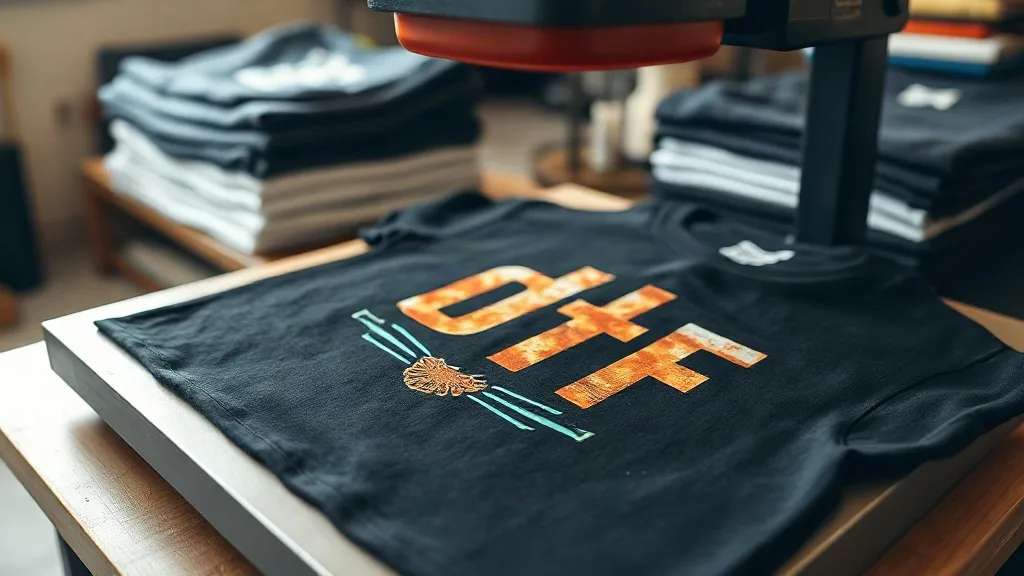
You have probably seen it: a customer sends back a shirt because the design peeled after one wash, or a gangsheet comes out with half the transfers unusable. These aren't just annoyances; they are direct hits to your profit margin. In the world of dtf transfers, small errors add up fast. I have spent years troubleshooting DTF issues in my own shop, and I have seen the same mistakes repeat across the industry. Here are the seven most costly ones and how to fix them.
1. Skipping the Powder Shake
Adhesive powder is the backbone of a durable dtf transfer. Yet many operators give the shaker a quick flick and move on. The result is uneven powder coverage, leading to weak spots that peel prematurely. Always shake the powder evenly across the entire wet design, then tap off the excess. A simple test: after curing, the transfer should have a uniform matte finish, not shiny patches.
2. Using the Wrong Fabric Settings
Not all fabrics behave the same under heat. Cotton requires higher temperature and pressure than polyester, and blends can be tricky. I have seen shops ruin dozens of shirts by using a one-size-fits-all press setting. Create a cheat sheet for your most common fabrics and test each new blank before running a full batch. For dtf transfers, the pressing temperature typically ranges from 300°F to 325°F, but always verify with your transfer supplier.
3. Ignoring Humidity and Storage
DTF transfers are sensitive to moisture. Storing them in a damp room or leaving them exposed to humid air can cause the adhesive to activate prematurely or the film to warp. Invest in airtight containers and silica gel packs. In my shop, we keep transfers in a cool, dry cabinet and label each batch with the date. This simple habit has cut our waste by nearly 30%.
4. Overcooking the Transfer
More heat does not mean better adhesion. Overcooking the transfer can cause the adhesive to burn, leading to a stiff, crusty feel and poor wash durability. Use a heat gun or infrared thermometer to check the actual platen temperature, and always follow the recommended dwell time. A good practice is to start with a shorter press time and increase gradually until you find the sweet spot for your setup.
5. Neglecting the Peel Test
After pressing, most operators immediately move on to the next job. But a simple peel test after the shirt cools can reveal problems before they reach the customer. Wait for the shirt to cool completely, then try to peel the transfer edge. If it lifts easily, the bond is weak. This quick check takes seconds and can save you from costly reprints.
6. Using Low-Quality Blanks
The blank shirt is the foundation of your print. A cheap, thin shirt might seem like a bargain, but it often leads to poor print adhesion and unhappy customers. I learned this the hard way when a batch of budget tees started showing cracks after a few washes. Switching to a consistent, quality blank like Shaka Wear made a noticeable difference. The fabric holds the dtf ink better and provides a smoother surface for the transfer.
7. Forgetting the Care Instructions
Your customers don't know the ins and outs of DTF care. If you don't tell them, they might wash the shirt inside out in hot water and tumble dry on high, destroying the print. Include a small care card with every order or add a note to your packaging. It takes minimal effort and drastically reduces complaints.
Frequently Asked Questions
How do I know if my DTF transfers are properly cured?
Properly cured transfers have a matte, even finish and do not feel tacky. You can also perform a stretch test: gently stretch the transfer while warm; it should stretch with the fabric without cracking.
Can I use DTF transfers on dark shirts?
Yes, dtf transfers work well on dark fabrics because the white ink layer provides opacity. Just ensure your design has enough white underbase for vibrant colors.
What is the shelf life of DTF transfers?
When stored in a cool, dry place away from direct sunlight, DTF transfers can last up to 12 months. Always check with your supplier for specific recommendations.
Why do my DTF transfers feel stiff after pressing?
Stiffness often comes from overcooking or using too much powder. Try reducing press time or using a finer powder. Also, ensure you are pressing at the correct temperature for the fabric.
How can I prevent DTF transfers from peeling after washing?
Peeling usually results from insufficient pressure, uneven powder, or washing in hot water. Use a heat press with even pressure, apply powder evenly, and advise customers to wash inside out in cold water.