
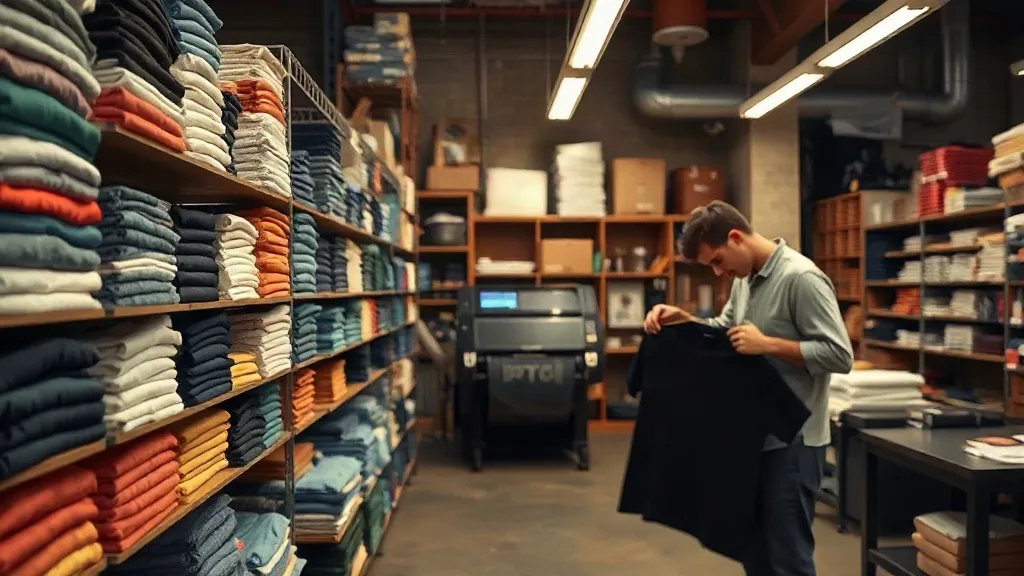
Every print shop owner knows the sinking feeling of a customer holding up a finished shirt and saying, "This isn't what I expected." The print might be flawless, the colors vibrant, but if the blank feels flimsy or fits oddly, the whole job feels cheap. That's why the blanks you keep on your shelves matter as much as the ink you put on them. In this guide, we'll look at how to build a core inventory that keeps customers happy and your margins healthy, using shaka wear and smart blanks as examples of what to look for.
Why Your Blank Selection Is a Business Decision
Walk into any successful print shop and you'll notice something: they don't stock every blank under the sun. They stock a curated selection that covers the majority of their orders. That's not laziness; it's strategy. A focused inventory means faster turnaround, less confusion, and better pricing from suppliers. More importantly, it means you know exactly how each blank performs under your press, so you can promise consistent results.
When you choose a blank, you're not just picking a shirt. You're deciding how your brand will be perceived. A customer who receives a shirt that feels substantial and fits well is more likely to order again. A customer who gets a thin, boxy tee that shrinks after one wash? They might not complain, but they probably won't come back. The blank is the foundation of every job, and treating it as an afterthought is a costly mistake.
What Makes a Blank Worth Stocking
Not all blanks are created equal. Before you commit shelf space to a new style, run it through a simple checklist:
- Fabric weight: Heavier weights (5.5 oz and up) feel more premium and hold their shape. Lighter weights (4.2 oz and below) work for budget-friendly or summer-focused jobs.
- Fit: Is it a classic cut, a modern slim fit, or a relaxed drop shoulder? Your customers will ask for specific looks, so you need options that cover the most common requests.
- Consistency: Can you reorder the same style six months from now and get an identical product? Inconsistency kills repeat business.
- Printability: Some fabrics resist ink or require special handling. Always test a new blank with your DTF or screen printing process before adding it to your lineup.
- Price: The cheapest blank isn't always the most profitable. Factor in waste, reprints, and customer satisfaction.
When a blank checks most of these boxes, it earns a spot in your core inventory. Two brands that frequently come up in these conversations are shaka wear and smart blanks. Let's look at why.
Shaka Wear: The Workhorse Blank
shaka wear has built a reputation among print shops for delivering consistent quality at a fair price. Their tees tend to have a substantial hand feel, often in the 5.5 to 6.5 oz range, which makes them ideal for retail-style prints and streetwear looks. The fits are modern without being overly trendy, so they appeal to a broad audience. If you're printing for a brewery, a skate shop, or a local band, a Shaka Wear tee gives the finished product a premium vibe that customers notice.
One of the practical advantages of shaka wear is availability. Because they're widely distributed, you can usually restock quickly, which matters when a client places a rush order. The color palette is solid, with the core shades (black, white, navy, heather grey) always in rotation. For shops that want to offer a step-up option without jumping to ultra-premium pricing, Shaka Wear is a smart middle ground.
Smart Blanks: The Budget-Friendly Option That Doesn't Feel Cheap
On the other end of the spectrum, smart blanks offers a way to hit lower price points without sacrificing too much quality. These blanks are often lighter weight, which makes them a good fit for giveaways, promotional events, and large orders where cost per unit is the primary concern. But here's the thing: "budget" doesn't have to mean "bad." Smart Blanks have improved significantly in recent years, with softer fabrics and better stitching than you might expect at their price point.
For print shops, smart blanks serve a specific purpose: they let you say yes to jobs that wouldn't be profitable with a premium blank. A 500-piece order for a 5K race or a corporate picnic doesn't need a heavyweight tee. It needs a shirt that looks good, feels decent, and fits the budget. Smart Blanks fill that gap, and they print well with DTF transfers, which is a big plus for shops that have moved toward digital printing.
How to Balance Your Inventory Between Premium and Budget
The key is to think in tiers. Most successful shops stock three levels:
- Premium: For retail and brand-conscious clients. This is where Shaka Wear fits.
- Mid-range: For everyday orders that need a balance of quality and price. Many shops use a 100% cotton tee in the 5 oz range here.
- Budget: For large volume and promotional work. Smart Blanks are a natural fit.
By offering tiers, you give customers a choice without overwhelming them. You also protect your margins because you're not using a premium blank on a job that can't support the cost. And when a customer asks, "What's the difference?" you can explain it in terms they understand: feel, durability, and price. That conversation builds trust and often leads to upsells.
Testing New Blanks Before You Commit
Before you add any blank to your core lineup, run a test. Print a sample with your most common decoration method, wash it a few times, and see how it holds up. Check for shrinkage, color fading, and how the print adheres after laundering. This step is especially important with budget blanks, where quality can vary between batches. A little testing upfront saves you from a lot of headaches later.
Also, pay attention to sizing consistency. Nothing frustrates customers more than ordering a batch of shirts and finding that the mediums fit like smalls. Order a sample in each size you plan to stock and compare them. If the sizing is off, look for a different supplier or style.
Making the Most of Your Blank Investment
Once you've settled on your core blanks, treat them like the business assets they are. Store them properly (away from direct sunlight and moisture), keep track of inventory levels, and reorder before you run out. A simple spreadsheet or inventory app can help you avoid the scramble of a last-minute order. And when you find a blank that consistently performs, stick with it. Consistency is what turns one-time buyers into regulars.
Remember that your blank choice is part of your brand story. When a customer wears a shirt you printed, they're also wearing the blank you chose. Make sure it's a choice you're proud to stand behind.
Frequently Asked Questions
What is the difference between Shaka Wear and Smart Blanks?
Shaka Wear typically offers heavier, more premium blanks with a retail feel, while Smart Blanks are lighter and more budget-friendly, making them suitable for high-volume or promotional orders. Both are popular among print shops for different reasons.
Can I print DTF transfers on Smart Blanks?
Yes, Smart Blanks are generally compatible with DTF transfers, but always test a sample first to ensure the fabric and transfer adhere well. Some lighter fabrics may require adjusted pressing settings.
How do I choose the right blank for my customer?
Ask about the intended use, budget, and desired feel. For retail or brand-focused projects, a premium blank like Shaka Wear is often best. For giveaways or large events, a budget option like Smart Blanks can work well.
Are Shaka Wear blanks consistent in sizing?
Shaka Wear is known for fairly consistent sizing, but it's always wise to order samples and check measurements before committing to a large order. Consistency can vary slightly between batches, so testing is recommended.
Where can I buy Shaka Wear and Smart Blanks?
Both brands are available through various wholesale distributors and online suppliers. Look for a supplier that offers reliable stock and competitive pricing to keep your production running smoothly.