
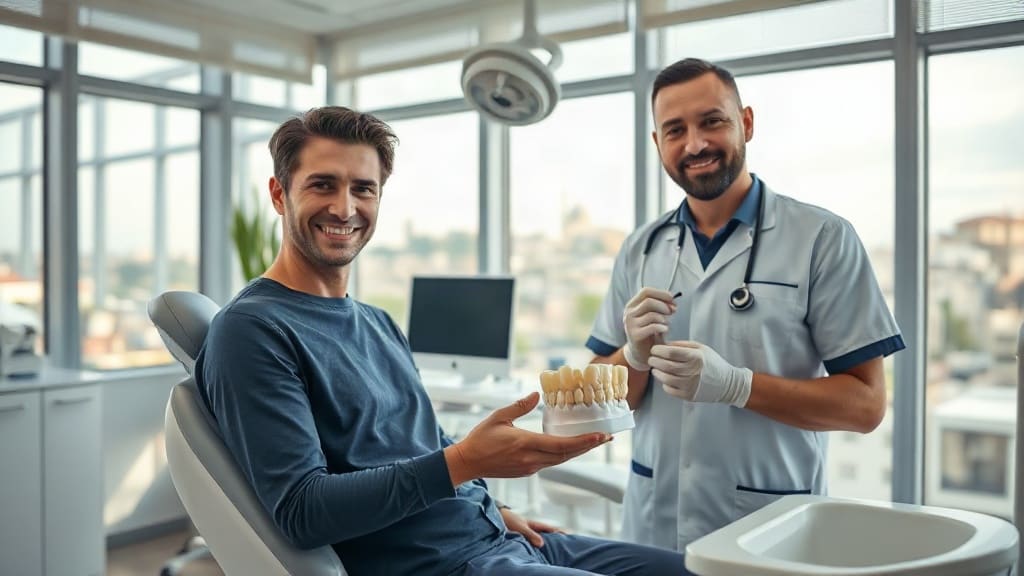
Imagine restoring your smile with high-quality implants while saving thousands of pounds, all within a week's trip to a country known for its rich history and warm hospitality. That's the reality for nearly 250,000 international patients who travel to Turkey each year for dental care. dental implants turkey have become synonymous with affordability and excellence, but navigating the options can feel overwhelming. This guide breaks down everything you need to know, from real costs to choosing the right clinic, so you can make a confident decision.
Why Turkey Became a Global Hub for Dental Implants
Turkey's rise in dental tourism isn't accidental. The country has invested heavily in healthcare infrastructure, with modern clinics that rival those in Western Europe and North America. Many dentists in Turkey receive training internationally and are members of global dental associations like the International Congress of Oral Implantologists. The lower cost of living and favorable exchange rates allow clinics to offer prices that are often 60-70% cheaper than in the UK or US, without cutting corners on materials or technology. Patients benefit from a seamless experience that often includes airport transfers, hotel stays, and even guided tours, making the journey feel less like a medical trip and more like a wellness getaway.
Understanding the Real Cost of Dental Implants in Turkey
When researching dental implants turkey cost, you'll notice a wide range. On average, a single implant with an abutment and crown costs between £500 and £900, compared to £2,000-£3,000 in the UK. However, the final price depends on several factors: the type of implant system (e.g., Straumann, Nobel Biocare, or local brands like NucleOSS), the material of the crown (porcelain, zirconium, or e-max), and whether additional procedures like bone grafting or sinus lifts are needed. Full mouth restorations, such as All-on-4 or All-on-6, typically range from £3,000 to £6,000 per arch, a fraction of the £15,000-£25,000 charged in Western countries. Always request a detailed, itemized quote to avoid hidden fees.
What Influences the Price?
- Implant brand: Premium Swiss or German brands cost more but offer longer warranties and extensive research backing.
- Crown material: Zirconium is highly aesthetic and durable but pricier than porcelain-fused-to-metal.
- Clinic location: Istanbul and Antalya have higher overheads than smaller cities like Izmir or Bursa.
- Dentist's expertise: Specialists in oral surgery or prosthodontics may charge more than general dentists.
- Package inclusions: Some quotes include X-rays, CT scans, medications, and temporary teeth, while others charge separately.
Full Mouth Dental Implants in Turkey: A Life-Changing Option
For patients with multiple missing teeth or severe decay, full mouth dental implants turkey offer a permanent, natural-looking solution. Techniques like All-on-4 use just four strategically placed implants to support a full arch of teeth, reducing surgery time and cost. The entire process typically takes 3-5 days for the surgical phase, with a follow-up visit 3-6 months later for the final prosthesis. Many clinics provide a temporary fixed bridge immediately after surgery, so you never leave without teeth. This approach is particularly popular among patients who have struggled with dentures and want a stable, comfortable alternative.
Are You a Candidate for Full Mouth Implants?
Ideal candidates have sufficient bone density to support implants, though bone grafting can help those with resorption. Good overall health is important, as conditions like uncontrolled diabetes or heavy smoking can affect healing. A thorough consultation, including a 3D CT scan, is essential. During my own research, I spoke with a patient from Manchester who underwent full mouth restoration in Antalya. He emphasized the importance of clear communication and a detailed treatment plan, which his clinic provided via video consultation before he even booked a flight.
How to Choose a Safe and Reliable Dental Clinic in Turkey
Not all clinics are created equal, and the low prices can sometimes attract unqualified providers. To ensure your safety and satisfaction, follow these steps:
- Verify credentials: Look for clinics accredited by the Turkish Ministry of Health and international bodies like the Joint Commission International (JCI). Check dentist qualifications on LinkedIn or dental association directories.
- Read independent reviews: Go beyond the clinic's website. Use platforms like Trustpilot, Google Reviews, and dental tourism forums. Look for detailed, recent reviews from patients with similar procedures.
- Ask about materials and warranty: Reputable clinics use FDA-approved or CE-marked implants and offer warranties of at least 5-10 years on implants and crowns.
- Request a virtual consultation: A good clinic will offer a free online assessment with X-rays or photos to provide a personalized treatment plan and quote.
- Understand the aftercare: Inquire about follow-up protocols, whether they have partner dentists in your home country, and how they handle complications.
The Role of Technology and Materials
Top clinics invest in digital dentistry: intraoral scanners, 3D printers, and CAD/CAM milling machines allow for same-day crowns and precise implant placement. This technology reduces human error and improves outcomes. When comparing quotes, ask which implant system is used and why. A clinic that transparently explains the pros and cons of different brands demonstrates expertise and honesty.
Step-by-Step: What to Expect During Your Dental Implant Journey
Understanding the process can alleviate anxiety. Here's a typical timeline for a single implant:
- Initial consultation (Day 1): Comprehensive exam, X-rays, and treatment planning. If you're traveling, this might be done virtually beforehand.
- Implant placement (Day 2): Under local anesthesia, the titanium post is surgically inserted into the jawbone. This takes 30-60 minutes per implant.
- Healing period (3-6 months): Osseointegration occurs, where the implant fuses with the bone. You'll wear a temporary crown or denture.
- Abutment placement (after healing): A small connector is attached to the implant.
- Final crown placement: Impressions are taken, and the custom crown is cemented or screwed in place.
For full mouth procedures, the steps are similar but may involve multiple implants and same-day temporary teeth. Some clinics offer immediate loading, where a temporary fixed bridge is placed on the same day as surgery, but this depends on bone quality.
Debunking Common Myths About Dental Implants in Turkey
Despite the popularity, misconceptions persist. Let's set the record straight:
- Myth: Low cost means low quality. In reality, Turkey's lower prices stem from economic factors, not inferior materials. Many clinics use the same implant brands as Western dentists.
- Myth: Language barriers make communication difficult. Most dental tourism clinics employ English-speaking coordinators and dentists. Some even offer translators in other languages.
- Myth: You have to sacrifice a vacation. Many patients combine treatment with sightseeing, as clinics arrange tours and leisure activities around appointments.
- Myth: Aftercare is impossible once you return home. Reputable clinics provide detailed aftercare instructions and maintain communication via email or video calls. Some partner with local dentists for follow-up.
Real Patient Experiences: What People Say
Reading testimonials can provide valuable insight. One patient from London shared on a dental forum: "I was terrified of flying abroad for surgery, but the clinic's coordination was flawless. The dentist explained everything, and the results exceeded my expectations. I saved over £8,000 on three implants." Another common theme is the warmth and hospitality of Turkish staff, which eases the stress of dental work. However, some patients caution about clinics that rush the process or use high-pressure sales tactics. Taking your time to research and trusting your instincts is key.
Potential Risks and How to Mitigate Them
Like any medical procedure, dental implants carry risks: infection, nerve damage, implant failure, or sinus issues. However, these are rare when performed by skilled professionals. To minimize risks:
- Disclose your full medical history, including medications and allergies.
- Follow pre- and post-operative instructions meticulously.
- Avoid smoking and alcohol during the healing period.
- Ensure the clinic uses sterile equipment and follows strict infection control protocols.
- Ask about the clinic's complication rate and how they handle emergencies.
Financing Your Dental Implants in Turkey
Even with lower prices, the cost can be significant. Many clinics offer flexible payment plans or accept medical tourism financing companies. Some patients use credit cards with travel rewards or medical loans. It's also worth checking if your insurance covers any portion of overseas dental work, though most standard policies do not. Budget for the procedure, travel, accommodation, and a contingency fund for unexpected expenses. Transparent clinics will provide a detailed breakdown before you commit.
Combining Treatment with Travel: Making the Most of Your Trip
Turkey is a beautiful country with much to offer. After your dental appointments, you can explore Istanbul's Grand Bazaar, relax on Antalya's beaches, or visit the fairy chimneys of Cappadocia. Many clinics are located in tourist-friendly areas and can recommend activities that won't interfere with your recovery. Just remember to avoid strenuous activities immediately after surgery and follow your dentist's advice on sun exposure and diet.
Final Thoughts: Is Turkey Right for Your Dental Implants?
Choosing to get dental implants in Turkey is a significant decision that can transform your smile and your budget. The key is thorough research and realistic expectations. By focusing on quality indicators rather than just price, you can find a clinic that offers both safety and savings. Remember, dental implants turkey are an investment in your health and confidence. Take the time to explore your options, ask questions, and envision the outcome. Your new smile might be closer than you think.
Frequently Asked Questions
How much do dental implants cost in Turkey on average?
The average cost for a single dental implant in Turkey ranges from £500 to £900, including the implant, abutment, and crown. Full mouth restorations like All-on-4 typically cost between £3,000 and £6,000 per arch. These prices are significantly lower than in the UK or US due to economic factors, not quality differences.
Is it safe to get dental implants in Turkey?
Yes, it is safe if you choose a reputable clinic with accredited dentists and modern facilities. Look for clinics that use FDA or CE approved materials, have positive independent reviews, and offer warranties. Always verify the dentist's credentials and the clinic's infection control standards.
How long does the dental implant process take in Turkey?
For a single implant, the surgical placement takes about 30-60 minutes, but the entire process, including healing and crown placement, spans 3-6 months. Many patients make two trips: one for implant placement and another for the final crown. Some clinics offer immediate loading for full mouth cases, reducing the timeline.
Can I get full mouth dental implants in Turkey in one visit?
While the surgical phase of full mouth implants can be completed in one visit (3-5 days), the final permanent teeth are usually placed after 3-6 months of healing. However, you will receive a temporary fixed bridge on the same day, so you won't be without teeth. Some clinics offer same-day final prosthetics for select cases.
What is included in the dental implant package in Turkey?
Most packages include the consultation, X-rays or CT scans, implant surgery, abutment, and crown. Many also cover airport transfers, hotel accommodation, and medications. Always ask for a detailed list to avoid surprises, as some clinics may charge extra for temporary teeth or bone grafting.