
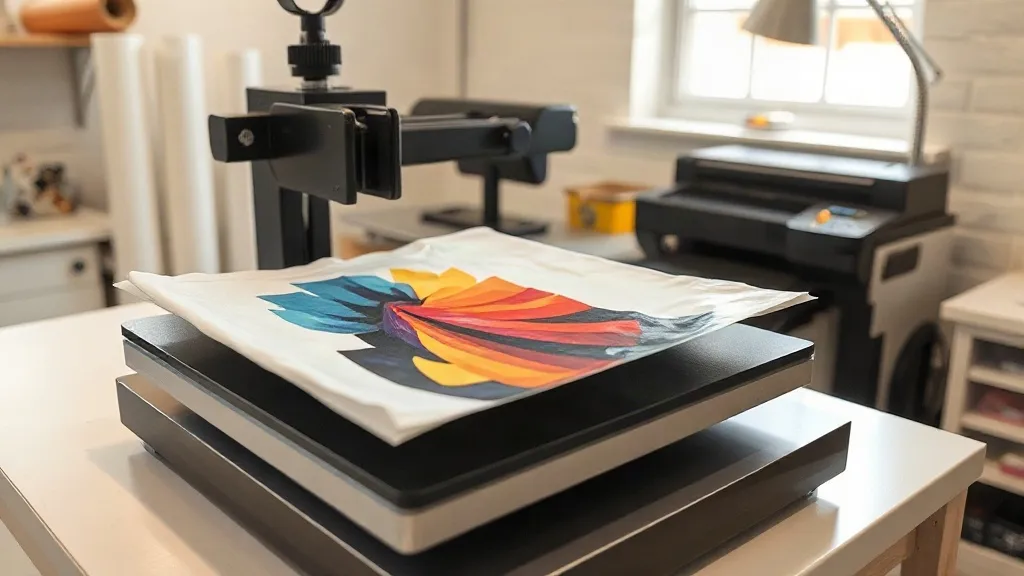
Imagine pressing a vibrant, full-color design onto a cotton t-shirt in under a minute, with no messy screens or complex color separations. That's the promise of dtf printing, a technology that's rapidly become the go-to method for custom apparel among hobbyists and small business owners alike. Unlike traditional heat transfer vinyl or screen printing, dtf transfers let you produce intricate, multi-colored graphics with incredible detail, all from a single sheet. Whether you're running a side hustle printing team jerseys or just want to personalize gifts for friends, understanding how DTF works can open up a world of creative possibilities. In this guide, I'll walk you through the entire process, share practical tips I've learned from my own trials (and errors), and help you decide if DTF is right for your next project.
What Exactly Are DTF Transfers?
DTF stands for Direct to Film. It's a printing method where your design is printed onto a special PET film using a DTF printer, then coated with a thermoplastic adhesive powder. Once the powder is cured, the transfer is ready to be applied to fabric using a heat press. The magic lies in the adhesive: when heated, it bonds permanently to the fibers of the fabric, creating a soft, stretchable, and durable print.
The key difference between DTF and other methods is its versatility. You can print on cotton, polyester, blends, and even some treated nylons. That means you can decorate everything from 100% cotton tees to moisture-wicking athletic wear without worrying about the design cracking or fading. Plus, because the design is printed on a film, you can achieve photographic detail and gradients that would be nearly impossible with vinyl cutting.
Why DTF Is Gaining Popularity
Several factors have fueled the rise of DTF. First, the cost of entry has dropped significantly. You can now buy a decent DTF printer for a few thousand dollars, and the supplies (film, ink, powder) are relatively affordable. Second, the process eliminates the need for weeding tiny letters or layering multiple colors of vinyl. That saves hours of tedious work. Third, the quality is outstanding. Modern DTF printers use pigment inks that produce bright, opaque colors on both light and dark garments.
I remember my first attempt at DTF: I was skeptical about the durability. But after washing a test shirt 20 times, the print looked as good as new. That sold me. Now, I use DTF for almost all my custom orders, from bachelorette party tanks to company polos.
The DTF Transfer Process Step by Step
Getting started with DTF involves a few key steps. Here's a breakdown of what you'll need and how to do it right.
1. Design Preparation
Start with a high-resolution image. DTF printers can handle detailed artwork, but you'll get the best results with files at 300 DPI or higher. If your design has a white background, remove it so only the graphic remains. Most DTF printers come with RIP software that helps you mirror the image (since you'll press it face down) and adjust color settings. I recommend doing a small test print to check colors before committing to a full sheet.
2. Printing and Powdering
Load your PET film into the printer and send the job. The printer lays down a layer of white ink first (for opacity), followed by the color inks. Once printed, you'll immediately sprinkle the adhesive powder over the wet ink. Shake off the excess, then cure the powder using a heat gun or a dedicated curing oven. The powder melts and creates a smooth, dry surface. This step is crucial: under-curing leads to poor adhesion, while over-curing can make the transfer brittle.
3. Heat Press Application
Set your heat press to around 300°F (150°C) with medium pressure. Place the transfer on your garment, cover it with a protective sheet (like parchment paper or a Teflon sheet), and press for 10-15 seconds. Let it cool completely before peeling off the film. You can peel it hot or cold, depending on the film type, so check the instructions. After peeling, I like to do a second press for 5 seconds with the protective sheet to ensure the print is fully embedded.
Essential Tips for Flawless DTF Transfers
Even though DTF is forgiving, a few best practices can save you from frustration.
- Pre-press your garment: This removes moisture and wrinkles, giving you a smooth surface for the transfer.
- Use the right powder: Not all DTF powders are created equal. Choose a fine-grain powder for detailed designs; it adheres better and feels softer.
- Store transfers properly: Keep unused transfers in a cool, dry place, away from direct sunlight. They can last for months if stored correctly.
- Test your settings: Every heat press is different. Do a few test presses on scrap fabric to dial in the perfect temperature, pressure, and time.
- Wash inside out: To maximize longevity, turn garments inside out and wash in cold water. Avoid bleach and tumble dry on low.
One mistake I made early on was not pressing hard enough. The transfer looked fine initially, but after a few washes, edges started lifting. Now I always use firm pressure and double-check that the transfer is fully adhered before moving on.
DTF vs. Other Printing Methods
How does DTF stack up against screen printing, DTG, and vinyl? Here's a quick comparison.
- Screen printing: Cheaper for large orders, but setup costs are high and it's not practical for small batches or photographic designs.
- DTG (Direct to Garment): Great for cotton, but requires pre-treatment and can be finicky on dark shirts. DTF works on more fabrics and has better opacity.
- Heat transfer vinyl: Ideal for simple, single-color designs, but weeding is time-consuming and layering multiple colors is tricky. DTF handles complex art with ease.
For small businesses that offer on-demand printing or personalized items, DTF strikes a sweet spot between quality, versatility, and cost.
Frequently Asked Questions About DTF Transfers
How durable are DTF transfers?
When applied correctly, DTF transfers can withstand dozens of washes without cracking or fading. The key is proper curing and pressing. I've had shirts last over a year with regular wear and washing.
Can I use DTF on dark and light fabrics?
Absolutely. DTF printers lay down a white ink base, so colors pop on both dark and light garments. You don't need separate transfer types for different fabric colors.
Do I need a special printer for DTF?
Yes, you need a DTF printer that uses pigment inks and supports PET film. Some people convert Epson printers, but dedicated DTF printers are more reliable and easier to maintain.
What fabrics work best with DTF?
Cotton, polyester, and blends are ideal. You can also use it on canvas, denim, and some synthetic materials. Avoid fabrics with heavy coatings or waterproof finishes, as the adhesive may not bond well.
Is DTF cost-effective for small batches?
Definitely. Unlike screen printing, there's no minimum order. You can print one-offs or small runs without wasting materials. The supplies are affordable, making it a great option for startups and crafters.
DTF transfers have truly democratized custom apparel printing. With a modest investment and a bit of practice, you can create professional-grade products from your home studio. I hope this guide helps you get started on your DTF journey. If you're ready to dive in, check out the resources and supplies available at dtf transfers to find everything you need.