
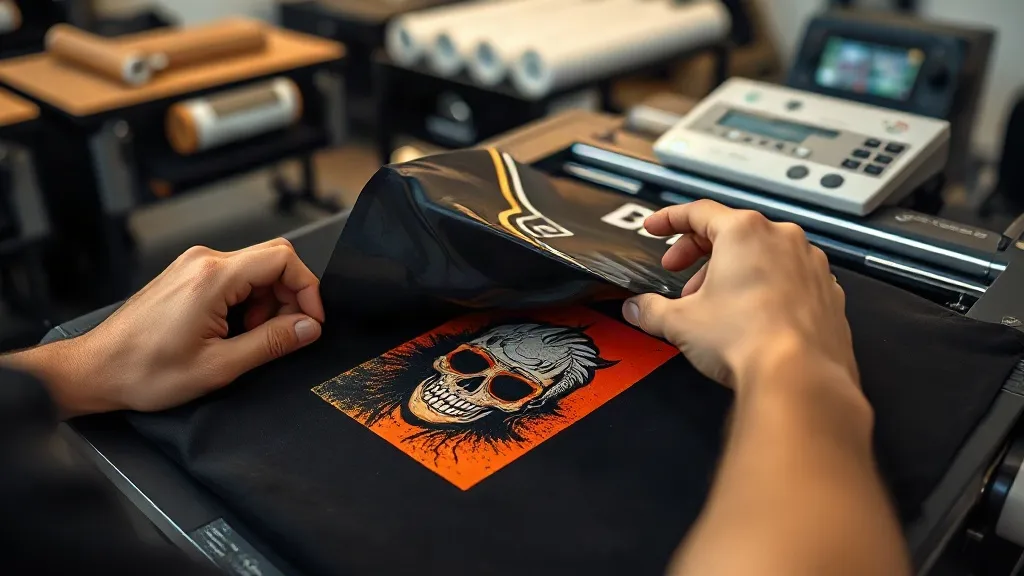
If you've been exploring custom apparel printing, you've likely heard about dtf transfers. This innovative technology is changing the way small businesses, hobbyists, and even large manufacturers approach fabric printing. Unlike traditional methods that require specialized equipment or extensive setup, DTF transfers offer a versatile, cost-effective solution that delivers stunning, long-lasting results on almost any fabric. In this guide, we'll walk you through everything you need to know about dtf transfers, from how they work to tips for flawless application.
What Are DTF Transfers?
DTF stands for Direct-to-Film. It's a printing process where your design is printed onto a special film, coated with a powder adhesive, and then heat-pressed onto the fabric. The result is a vibrant, detailed print that bonds permanently with the material. Unlike DTG (Direct-to-Garment) printing, which requires the garment to be pre-treated and can only be used on cotton, DTF transfers work on a wide range of fabrics, including polyester, blends, and even nylon. This flexibility makes DTF a go-to choice for anyone looking to print on diverse materials without compromising quality.
Why Choose DTF Transfers?
There are several compelling reasons why DTF transfers have gained popularity in the printing community. Let's break down the key benefits.
Versatility Across Fabrics
One of the biggest advantages of DTF transfers is their ability to adhere to almost any fabric. Whether you're working with cotton, polyester, silk, or leather, DTF can handle it. This is particularly useful for printing on dark or colored garments, where other methods might struggle to produce bright, opaque colors. The white ink layer in DTF transfers ensures your design pops, regardless of the background color.
No Weeding or Cutting Required
If you've ever worked with heat transfer vinyl (HTV), you know the tedious process of weeding out tiny details. DTF transfers eliminate that entirely. The design is printed ready-to-press, so you simply cut around the image, place it on the fabric, and press. This saves hours of manual labor, especially for intricate designs with fine lines or small text.
Durability and Washability
When applied correctly, DTF transfers are incredibly durable. They withstand repeated washing without fading, cracking, or peeling. The key is proper application: using the right temperature, pressure, and time. We'll cover that in detail later. But rest assured, a well-applied DTF transfer can outlast the garment itself.
Cost-Effective for Small Runs
For small businesses or individuals printing small batches, DTF transfers are more economical than screen printing, which requires separate screens for each color. With DTF, you can print one-off designs or short runs without incurring high setup costs. This makes it ideal for personalized gifts, sample production, or limited-edition merchandise.
How DTF Transfers Work: Step by Step
Understanding the process helps you achieve better results. Here's a breakdown of the DTF printing workflow.
1. Design Preparation
Start with a high-resolution image. DTF printing can reproduce fine details, but low-quality images will still look pixelated. Use design software to ensure your artwork is in CMYK color mode and mirrored if necessary (though most DTF printers handle mirroring automatically).
2. Printing onto Film
The design is printed onto a special PET film using DTF inks. These inks are pigment-based and include a white layer that acts as a base for vibrant colors. The printer lays down the white ink first, followed by the color layers. The film is then dusted with a hot-melt adhesive powder, which is cured using a heat source. This powder is what allows the transfer to bond with the fabric.
3. Heat Press Application
Once the transfer is ready, you'll use a heat press to apply it. The process involves three main factors: temperature, pressure, and time. For most DTF transfers, a temperature of 325°F (160°C) is recommended, with medium to high pressure for 15-20 seconds. However, always check the instructions provided by your transfer supplier, as specifications can vary.
4. Peeling and Finishing
After pressing, allow the transfer to cool completely before peeling off the film. This is known as a "cold peel." Peeling while hot can cause the design to lift or distort. Once peeled, you may want to press again for a few seconds with a protective sheet to ensure maximum adhesion.
Tips for Perfect DTF Transfers
To get professional results, keep these tips in mind.
- Pre-press your garment: This removes moisture and wrinkles, ensuring a smooth surface for the transfer.
- Use the right pressure: Too little pressure and the transfer won't adhere; too much and the design may spread or the fabric may scorch.
- Test on scrap fabric: Before pressing your final product, do a test run to dial in your settings.
- Store transfers properly: Keep unused transfers in a cool, dry place away from direct sunlight to prevent the adhesive from curing prematurely.
Common Applications of DTF Transfers
DTF transfers are used in a variety of industries and personal projects. Here are some popular applications:
- Custom T-shirts and hoodies: Perfect for small businesses, event merchandise, or personalized gifts.
- Sports jerseys: DTF can print names and numbers with sharp detail on polyester jerseys.
- Denim jackets: Add unique designs to denim without the stiffness of traditional transfers.
- Tote bags and accessories: Personalize bags, hats, and even shoes with vibrant graphics.
DTF vs. Other Printing Methods
How does DTF stack up against other popular printing techniques? Let's compare.
DTF vs. DTG
DTG printing is limited to cotton fabrics and requires pre-treatment. DTF works on almost any fabric and doesn't need pre-treatment. DTF also produces more vibrant colors on dark garments.
DTF vs. Screen Printing
Screen printing is cost-effective for large orders but requires separate screens for each color. DTF is better for small runs and complex designs with many colors.
DTF vs. HTV
HTV requires weeding and is limited to single-color designs per layer. DTF can print full-color images in one go and eliminates weeding.
Frequently Asked Questions About DTF Transfers
How long do DTF transfers last?
When applied correctly, DTF transfers can last as long as the garment. They are resistant to cracking, peeling, and fading, even after multiple washes. To maximize longevity, wash the garment inside out in cold water and avoid using bleach or fabric softeners.
Can I use DTF transfers on dark fabrics?
Absolutely. DTF transfers include a white ink base that makes colors pop on dark fabrics. This is one of the key advantages over other methods like DTG, which may require a white underbase that can feel thick.
What equipment do I need to get started with DTF?
To start with DTF, you'll need a DTF printer, DTF inks, PET film, adhesive powder, and a heat press. If you don't want to invest in a printer, you can order pre-printed transfers from suppliers and apply them with just a heat press.
Do I need to mirror my design for DTF?
Yes, DTF transfers are typically applied face-down, so the design must be mirrored. However, many DTF printers and RIP software automatically mirror the image, so check your printer's settings.
Can I stretch DTF transfers?
DTF transfers have some stretchability, making them suitable for performance wear and stretchy fabrics. However, extreme stretching may cause the print to crack over time. For best results, avoid over-stretching the garment when wearing or washing.
Final Thoughts
DTF transfers offer a powerful combination of versatility, durability, and ease of use. Whether you're a small business owner looking to expand your product line or a DIY enthusiast wanting to create custom apparel, DTF technology provides a reliable path to professional-quality prints. With the right supplies and a bit of practice, you'll be producing stunning, wash-resistant designs in no time. So why not give dtf transfers a try? Your customers—and your creativity—will thank you.