
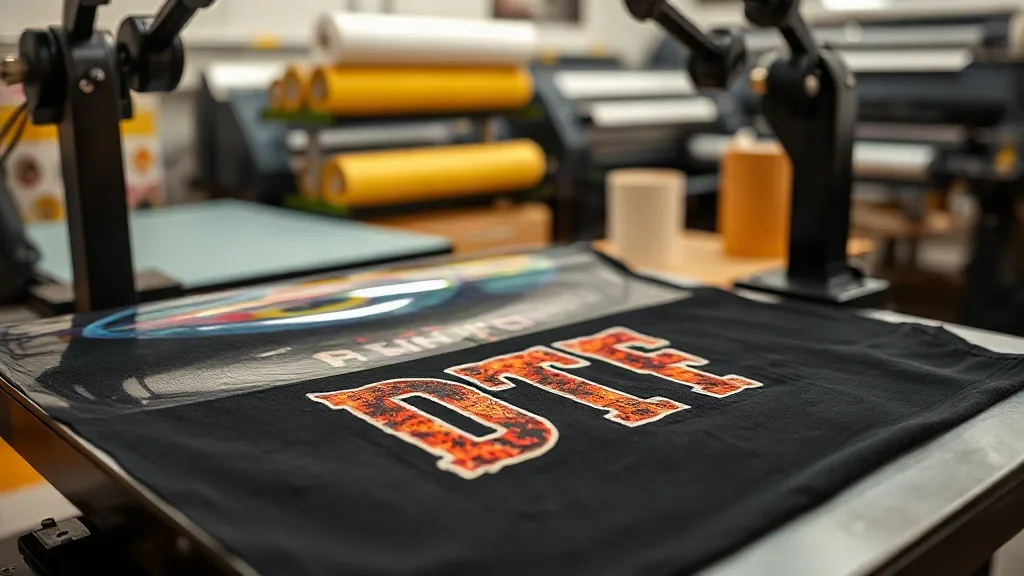
Custom apparel has never been more accessible, thanks to innovative printing technologies that bring professional-quality designs to small businesses and hobbyists alike. Among these, dtf transfers have emerged as a game-changer, offering vibrant colors, exceptional durability, and versatility across various fabrics. Whether you're a seasoned crafter or just starting, understanding DTF transfers can open up a world of creative possibilities.
What Are DTF Transfers?
DTF stands for Direct-to-Film, a printing method where designs are printed onto a special film, coated with adhesive powder, and then heat-pressed onto fabric. Unlike traditional screen printing or vinyl, dtf transfers allow for intricate details and full-color images without the need for multiple screens or layers. The process involves printing with specialized inks onto a PET film, applying a thermoplastic powder while the ink is still wet, and curing it. The result is a transfer that can be stored and applied on demand.
How DTF Transfers Differ from Other Methods
Compared to DTG (Direct-to-Garment) printing, DTF transfers don't require pre-treatment of the fabric and work on a wider range of materials, including cotton, polyester, blends, and even leather. Unlike vinyl, DTF transfers can reproduce photographic images and gradients with ease. The ability to print, powder, and cure in advance means you can fulfill orders quickly without investing in a full printing setup.
The DTF Transfer Process Step by Step
Understanding each stage helps you achieve consistent, professional results. Here's a breakdown of the workflow:
- Design Preparation: Create or adjust your artwork in a graphics program, ensuring it's mirrored (unless using a printer with a mirroring feature). Use CMYK color mode for accurate output.
- Printing: Load the DTF film into a compatible printer (often modified Epson or Ricoh models) and print using DTF inks. The printer lays down a white ink base, followed by color inks.
- Powdering: While the ink is wet, sprinkle thermoplastic polyurethane (TPU) powder over the design. Shake off excess, ensuring an even coat.
- Curing: Place the film in a curing oven or under a heat press at around 160°C (320°F) for 2-3 minutes to melt the powder and set the ink.
- Transfer Application: Heat press the transfer onto your fabric at 150-160°C (300-320°F) for 10-15 seconds with medium pressure. Peel the film while hot or cold, depending on the film type.
Each step requires attention to detail, but with practice, you'll develop a rhythm that yields flawless transfers.
Choosing the Right Equipment
While professional DTF printers can be costly, many beginners start with converted desktop printers and a reliable heat press. A heat press with precise temperature and pressure control is essential; a clamshell or swing-away press works well. For curing, a dedicated oven or a heat press can be used. Invest in quality films and powders to avoid issues like cracking or fading.
Benefits of Using DTF Transfers
Why are DTF transfers gaining popularity? Here are key advantages:
- Versatility: Works on cotton, polyester, blends, leather, and more.
- Durability: Prints resist cracking, peeling, and fading after repeated washes.
- Detail: Captures fine lines, small text, and gradients accurately.
- Efficiency: Transfers can be pre-printed and stored, enabling quick turnaround.
- Cost-Effective: No minimum order quantities, ideal for small batches.
These factors make DTF transfers a smart choice for custom t-shirts, tote bags, and promotional items.
Common Applications
From personalized gifts to team uniforms, DTF transfers shine in various scenarios. Small businesses use them to offer on-demand custom apparel without inventory risk. Crafters love them for adding detailed designs to denim jackets or canvas shoes. Even large brands use DTF for sample production and limited editions.
Tips for Successful DTF Transfer Application
To get professional results, follow these practical tips:
- Pre-press the garment: Remove moisture and wrinkles before applying the transfer.
- Use the right pressure: Medium to high pressure ensures even adhesion.
- Test peel method: Some films require hot peel, others cold; follow manufacturer guidelines.
- Wash inside out: To prolong the life of the print, wash in cold water and tumble dry low.
- Store transfers properly: Keep them in a cool, dry place away from direct sunlight.
These simple practices can significantly extend the lifespan of your prints.
Troubleshooting Common Issues
If you encounter problems like incomplete transfer or dull colors, check your temperature and pressure settings. Insufficient powder can cause weak adhesion, while too much powder leads to a rough texture. Always test on a scrap fabric before pressing onto a final garment.
Frequently Asked Questions
Can I use DTF transfers on dark fabrics?
Yes, DTF transfers include a white ink base that makes colors pop on dark materials. The white layer acts as a primer, ensuring vibrant results even on black or navy garments.
How long do DTF transfers last?
With proper application and care, DTF transfers can last as long as the garment itself. They withstand dozens of washes without significant fading or cracking. Following washing instructions is key to longevity.
Do I need a special printer for DTF?
You can use a dedicated DTF printer or convert a standard inkjet printer with DTF inks and film. However, dedicated printers offer better reliability and color accuracy for frequent use.
Is DTF printing cost-effective for small businesses?
Absolutely. With no minimum order requirements and the ability to print on demand, DTF transfers reduce waste and inventory costs. The initial setup may require investment, but the per-unit cost is competitive.
What fabrics work best with DTF transfers?
DTF transfers adhere well to cotton, polyester, blends, and even leather. They are not recommended for nylon or fabrics with heavy coatings, as adhesion may be compromised.
As you explore the world of custom apparel, DTF transfers offer a reliable, high-quality solution that bridges the gap between professional printing and DIY flexibility. With the right knowledge and a bit of practice, you can produce stunning, durable designs that impress customers and friends alike.