
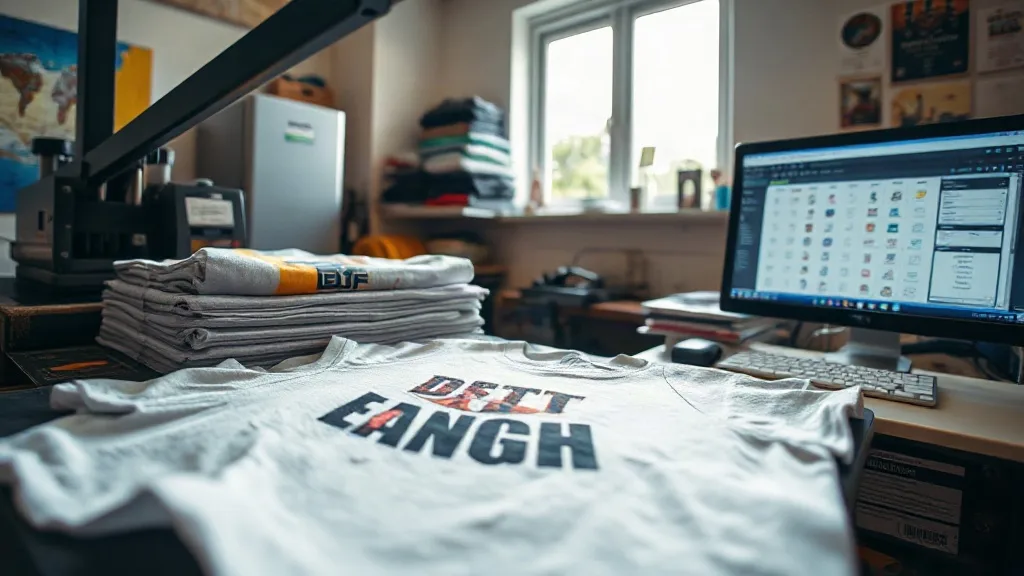
Walk into any print shop and you'll hear the same complaint: "DTF is killing my margins." But is it really the technology, or is it the way we're using it? After a decade in garment decoration, I've watched shops blame everything from film prices to customer demand for their thinning profits. The truth is, dtf transfers can be a goldmine—if you treat them as a business system, not just a button you press.
Let's cut through the noise. This isn't another beginner's tutorial. It's a hard look at the operational and financial levers that actually move the needle on your bottom line. Whether you're running a one-press garage setup or a multi-station operation, the principles are the same: control your inputs, optimize your workflow, and price with intention.
The Margin Myth: Why DTF Gets a Bad Reputation
Most shop owners calculate DTF costs by adding up film, ink, and powder, then dividing by the number of prints. That's a start, but it misses the bigger picture. The real cost per transfer includes wasted film from poor nesting, reprints due to press errors, and the hidden labor of weeding and trimming. When you factor those in, the true cost per print can be 30-40% higher than your initial estimate.
I've seen shops quote a job at $2.50 per transfer, only to realize later that their actual cost was $3.20 after accounting for misprints and setup time. That's a negative margin on every piece. The fix isn't to raise prices immediately—it's to tighten the process so that your quoted price reflects reality.
Where the Money Actually Goes
Let's break down a typical DTF job for a 12-inch by 12-inch transfer. Film costs vary, but assume $0.80 per sheet. Ink and powder add another $0.50. Labor for printing, powdering, and curing might take 3 minutes at $15/hour, so $0.75. Pressing takes 1 minute at $15/hour, so $0.25. That's $2.30 in direct costs. Add overhead (rent, electricity, equipment depreciation) at 20%, and you're at $2.76. If you sell for $3.00, your margin is 8%. That's razor-thin.
Now imagine you reduce film waste by 15% through better nesting, cut press errors by half, and negotiate a 10% discount on film by buying in bulk. Your direct costs drop to $2.00, and with overhead, $2.40. At the same $3.00 price, your margin jumps to 20%. That's the power of operational efficiency.
Film Selection: The Silent Margin Killer
Not all dtf film is created equal. Cheap film might save you a few cents per sheet, but it often leads to more headaches: inconsistent coating, poor ink absorption, and transfers that crack after a few washes. Those problems translate directly into reprints, refunds, and lost customers.
I learned this the hard way when I switched to a budget film to save money. The first batch seemed fine, but within a week, customers were returning shirts with faded prints. The reprint cost alone wiped out any savings, not to mention the damage to our reputation. Now I stick to mid-range film from a reputable supplier and test every new batch before committing to a large order.
How to Evaluate Film Without Breaking the Bank
Order sample packs from two or three suppliers. Print a test design with fine details and bold colors, then press it onto a white shirt and a dark shirt. Wash both shirts five times and inspect for cracking, fading, and peeling. Also check the film's tackiness—too sticky and it's hard to handle; too loose and it shifts during printing. The right film should feel slightly tacky but release cleanly.
Don't overlook the backing sheet. A good backing sheet peels off smoothly without tearing the transfer. If you're spending extra time fixing peeling corners, that's labor cost eating into your margin.
Gangsheet Planning: The Art of Maximizing Every Inch
A gangsheet is your best friend for efficiency. By grouping multiple designs onto a single sheet, you minimize waste and maximize throughput. But planning a gangsheet isn't just about filling space—it's about strategic nesting.
Start by collecting orders that share similar colors and film types. Group them by size and shape, and rotate designs to fill gaps. Software like DTF Gangsheet Builder can automate this, but even manual planning with a template can yield significant savings. I aim for at least 85% film utilization on every sheet. That means less waste, lower cost per transfer, and faster turnaround.
Common Gangsheet Mistakes to Avoid
One mistake I see often is overcrowding: placing designs too close together, which makes cutting and peeling difficult. Leave at least a quarter-inch gap between designs. Another mistake is ignoring the grain of the film—some films have a directional coating, and printing against the grain can cause adhesion issues. Always check the manufacturer's recommendations.
Also, don't mix different film types on the same sheet. They may require different press settings, and you'll end up with inconsistent results. Keep it uniform.
Press Efficiency: Where Seconds Turn Into Dollars
The heat press is the heartbeat of your DTF operation. Every second counts. If your press is slow to heat up, inconsistent in temperature, or requires frequent adjustments, you're losing money. Invest in a press with digital controls and even pressure distribution. A good press might cost more upfront, but it pays for itself in reduced errors and faster cycle times.
Standardize your pressing parameters. Create a cheat sheet for each fabric type: temperature, pressure, and time. Train your staff to follow it religiously. I've seen shops waste hours fiddling with settings because they didn't document what worked. Once you dial in the perfect settings for cotton, polyester, and blends, stick to them.
Quick Pressing Tips for Consistent Results
- Pre-press the garment for 3-5 seconds to remove moisture and wrinkles.
- Use a Teflon sheet or protective paper to prevent scorching.
- Peel the film while warm for better adhesion (unless the film specifies cold peel).
- Post-press for 5 seconds to ensure the edges are sealed.
These small steps add a few seconds per piece but dramatically reduce reprints. A reprint costs you the film, ink, labor, and sometimes a discounted future order. It's worth the extra effort.
Pricing Strategy: Don't Compete on Price Alone
If you're pricing your dtf transfers near me based on what the shop down the street charges, you're in a race to the bottom. Instead, price based on the value you provide: fast turnaround, consistent quality, and personalized service. Customers will pay a premium for reliability.
Consider tiered pricing: a base price for standard orders with a 5-day turnaround, and a rush fee for 24-hour service. Offer discounts for bulk orders or repeat customers. This encourages larger orders and builds loyalty. I've found that a 10% discount for orders over 50 pieces increases average order value by 25%, more than making up for the discount.
Calculating Your True Cost
Before you set prices, know your numbers. Use a spreadsheet to track all costs: film, ink, powder, labor, overhead, and equipment depreciation. Add a profit margin of at least 30% to cover unexpected expenses and reinvestment. Review your costs quarterly—supplier prices change, and your efficiency improves over time.
Don't forget to factor in the cost of customer acquisition. If you're spending on advertising or trade shows, that needs to be reflected in your pricing. A common mistake is to treat marketing as a separate expense rather than part of the cost of doing business.
Frequently Asked Questions
How can I reduce film waste in my DTF printing?
Start by using gangsheet software to nest designs efficiently. Aim for at least 85% utilization. Also, keep your film rolls stored properly to avoid curling or damage, and cut sheets precisely to the size you need. Regularly review your print jobs to identify patterns of waste and adjust your process accordingly.
What's the best way to train new employees on DTF pressing?
Create a step-by-step checklist with photos for each fabric type. Have new hires practice on scrap garments until they consistently achieve good results. Pair them with an experienced mentor for the first week. Emphasize the importance of following the settings exactly—consistency is key to avoiding reprints.
How do I choose a reliable DTF film supplier?
Request samples from multiple suppliers and test them under your typical conditions. Check for consistent coating, easy peeling, and durability after washing. Ask for references from other print shops. A good supplier will offer technical support and stand behind their product. Don't be afraid to switch if you encounter repeated issues.
Can I use DTF transfers on dark and light fabrics equally?
Yes, DTF works on both, but you may need to adjust your press settings. Dark fabrics often require slightly higher pressure and temperature to ensure the white ink layer adheres properly. Always test on a scrap piece first. Also, some films are optimized for specific fabric types, so check the manufacturer's recommendations.
What's a reasonable profit margin for DTF transfers?
Aim for at least 30-40% gross margin after accounting for all direct costs. This allows you to cover overhead, reinvest in equipment, and weather slow periods. If you're below 20%, review your processes for inefficiencies and consider adjusting your pricing. Remember, volume can make up for lower margins, but only if your operations are lean.