Stepping into a grocery store or checking your monthly utility bill lately has likely felt like a lesson in modern economics. Every time you swipe your card, you are participating in a global economic dance where Consumer prices dictate the rhythm of daily life. For the average household, tracking these changes is not just an academic exercise; it is a survival skill. Understanding how the cost of goods and services fluctuates helps you make smarter decisions, protect your purchasing power, and navigate times of high inflation. This comprehensive guide breaks down the mechanisms behind shifting market rates, reveals how these changes impact your wallet, and provides actionable strategies to keep your budget intact.
Why the Cost of Everyday Items Keeps Shifting
To understand why the prices of milk, gasoline, or rent seem to rise and fall without warning, we must look at the forces driving the global market. Prices do not change in a vacuum. Instead, they react to a complex web of supply chain dynamics, labor shortages, and geopolitical events. When a factory in another part of the world shuts down, or when shipping lanes face disruptions, the cost of moving goods skyrockets. Retailers inevitably pass these expenses down to the shopper, causing a noticeable spike in Consumer prices.
Another major driver is demand-pull inflation. When employment is high and consumers feel confident, they spend more money. If the supply of goods cannot keep up with this sudden wave of purchasing, sellers raise their prices to balance the market. On the other side of the coin, cost-push inflation occurs when raw materials or wages become more expensive. Whether it is a shortage of semiconductor chips or rising wages for logistics workers, the end product naturally becomes more costly to produce, leading to a steady climb in Consumer prices across various sectors.
The Hidden Mechanics of Inflation Metrics
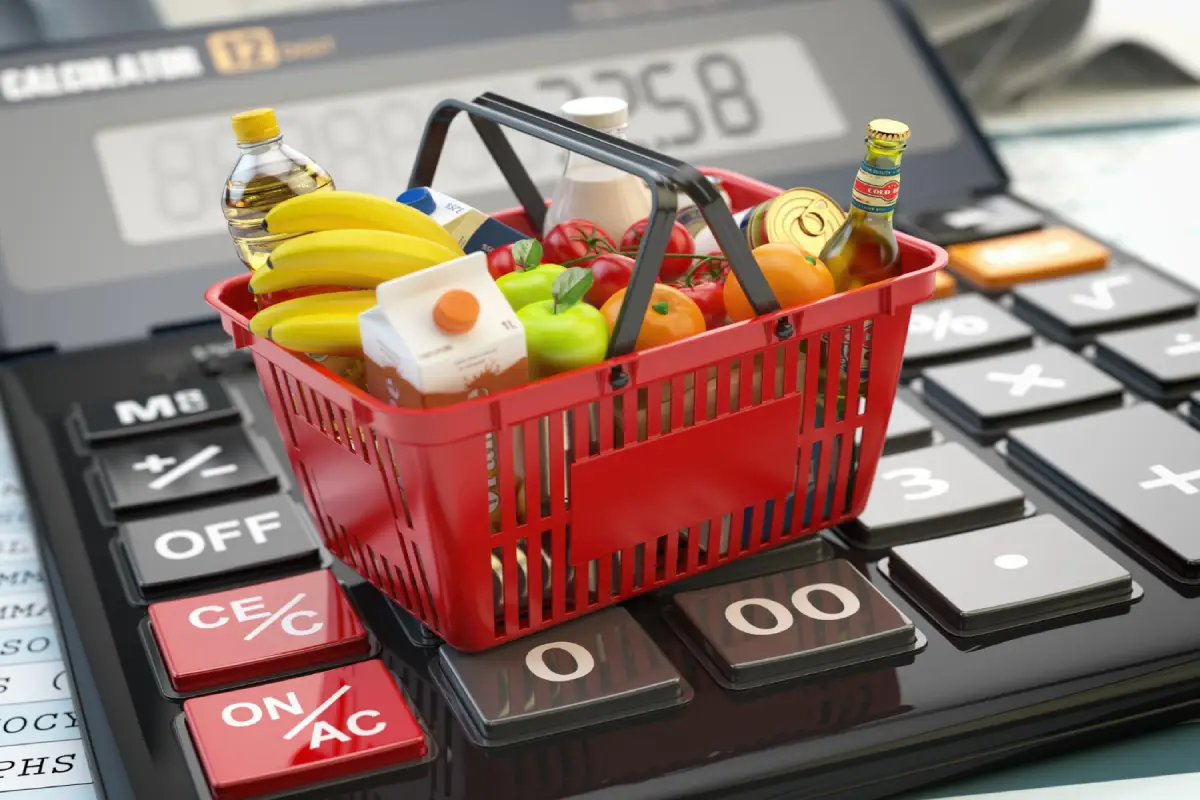
How do economists actually know when the cost of living is rising? They rely on specific tracking tools that measure the price changes of a representative basket of goods and services over time. This basket includes everything from breakfast cereal and shoes to medical care and public transportation. By observing how much more (or less) this basket costs month over month, analysts can gauge the speed of inflation.
However, what is reported in national economic news does not always align perfectly with what you experience at the cash register. National averages smooth out regional differences. For instance, if housing costs soar in major urban centers but remain flat in rural areas, the average statistic might not capture the true pressure felt by city dwellers. Recognizing this gap between official data and personal reality is the first step toward building a highly personalized financial strategy that protects your specific household budget from unexpected market shifts.
Strategic Moves to Protect Your Household Budget
You do not have to be a helpless bystander when living costs rise. By taking a proactive approach to your personal finances, you can minimize the impact of market fluctuations and keep your savings goals on track. Here are highly practical, real-world strategies to implement today:
1. Audit and Realign Your Variable Spending
When fixed costs like rent or insurance go up, your variable expenses are your best line of defense. Take a close look at your bank statements from the last three months. Categorize your spending into absolute needs versus discretionary wants. Temporarily pausing subscription services you rarely use, cooking more meals at home, and using browser extensions to find discount codes can free up a surprising amount of cash flow to cover more expensive essentials.
2. Embrace the Art of Substitution
Brand loyalty can be expensive. When the cost of your favorite household items spikes, look for high-quality generic or store-brand alternatives. In most cases, the ingredients and manufacturing processes are nearly identical to name-brand products, but they cost up to thirty percent less. Additionally, consider substituting expensive proteins like beef or fresh seafood with more budget-friendly alternatives like chicken, legumes, or eggs a few nights a week.
3. Optimize Your Energy Consumption
Utility bills are a significant component of household inflation. Simple, low-cost adjustments around your home can yield major savings over time. Install a programmable thermostat to lower heating or cooling when you are away from home, seal drafts around windows and doors with inexpensive weatherstripping, and transition to energy-efficient LED light bulbs. These small steps compound into lower monthly bills, helping offset price increases in other areas.
How Smart Shopping Habits Defeat Rising Market Rates
Changing how and where you shop is one of the fastest ways to counter rising costs. Buying in bulk is highly effective for non-perishable household staples like toilet paper, laundry detergent, and dry pantry goods. While the upfront cost is higher, the unit price is significantly lower, saving you money over the long term. Just be sure to avoid buying perishable items in bulk unless you have a clear plan to use or freeze them before they spoil.
Additionally, loyalty programs and cashback apps can offer consistent relief. Many grocery store apps provide exclusive digital coupons that you can stack with manufacturer discounts. Planning your weekly meal menu around what is currently on sale, rather than deciding what to cook on a whim, ensures you never pay full price for ingredients. A little bit of planning before you leave the house pays massive dividends at the checkout counter.
Frequently Asked Questions About Cost of Living Trends
What causes sudden spikes in the price of groceries?
Grocery price spikes are usually caused by a combination of high transportation costs, extreme weather events affecting agriculture, and global supply chain disruptions. When fuel prices rise, it costs more to transport food from farms to distribution centers, and those costs are quickly reflected on grocery store shelves.
How do rising interest rates relate to everyday prices?
Central banks often raise interest rates to cool down high inflation. By making borrowing more expensive for cars, homes, and credit cards, people and businesses tend to spend less. This drop in demand slows down the economy, which eventually helps stabilize and lower the rate of price increases over time.
Should I change my investment strategy when prices are high?
During inflationary periods, holding too much cash can erode your purchasing power. Many investors look toward assets that historically hold value or grow during inflationary times, such as diversified index funds, real estate, or short-term treasury bonds. Consulting with a qualified financial advisor can help you tailor your portfolio to your specific risk tolerance.
Navigating the Financial Future with Confidence
While macro-level economic shifts are entirely out of your hands, how you react to them is completely within your control. By staying informed, adjusting your shopping habits, and keeping a close eye on your household budget, you can easily maintain financial stability. Here at Major Daily, we believe that economic literacy is the ultimate tool for personal empowerment. By understanding the forces behind shifting market dynamics and taking deliberate, proactive action, you can confidently protect your hard-earned wealth and build a secure financial future regardless of changing market climates.