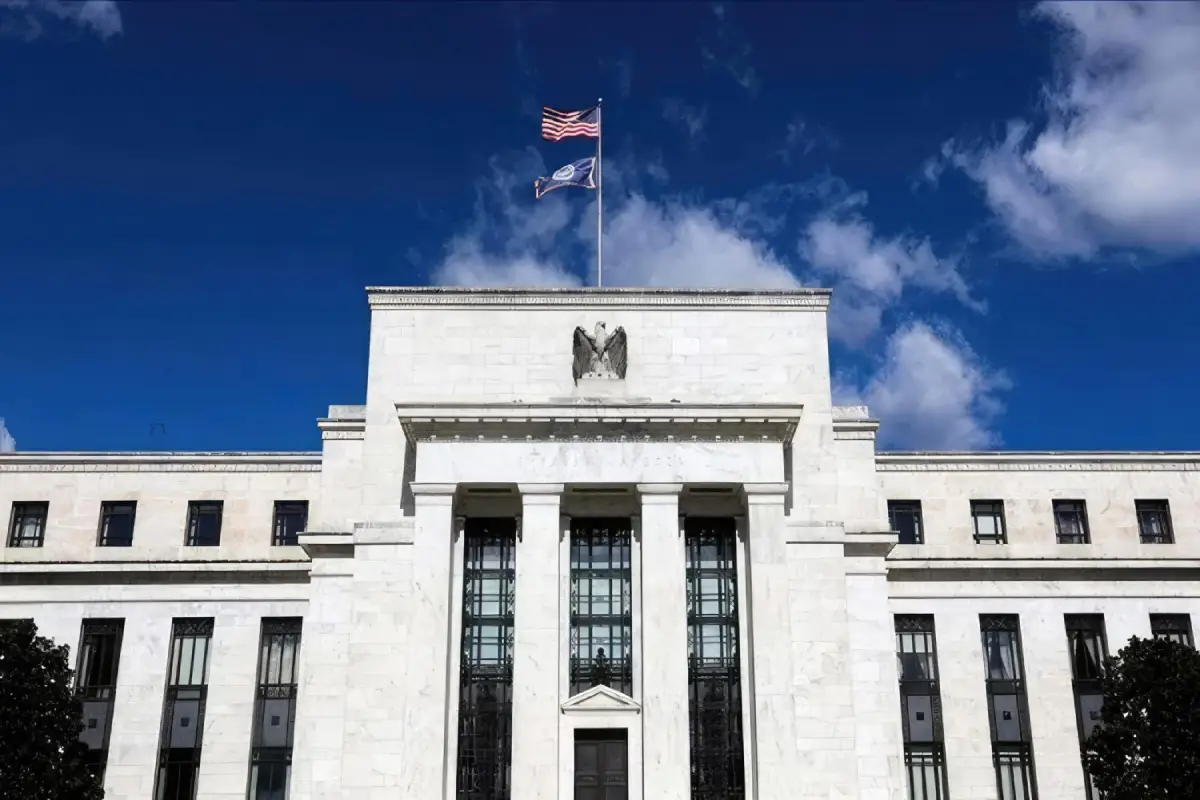
Navigating the waves of global finance often feels like trying to read tea leaves, but one acronym consistently commands the attention of every investor, homeowner, and business owner worldwide: the
FED. When the Federal Reserve adjusts its monetary levers, the ripple effects travel instantly from Wall Street to local high streets. Understanding how these policy decisions impact your daily financial health is not just for economists; it is a vital tool for making smarter decisions about your savings, mortgages, and investments. Today, we will break down the mechanics of these decisions and provide actionable strategies to help you protect and grow your wealth in any interest rate environment.
How Monetary Policy Directly Shapes Your Personal Finances
At its core, the Federal Reserve dual mandate is to promote maximum employment and maintain stable prices. To achieve these goals, policymakers primarily use the federal funds rate as their steering wheel. While this rate is technically what banks charge each other for overnight loans, it sets the baseline for almost all consumer debt and savings vehicles. When inflation runs high, policymakers raise rates to cool the economy down. When growth stalls, they lower them to encourage borrowing and spending.
For the average household, a shifting rate environment changes the rules of the game almost overnight. Borrowing becomes more expensive, which can cool down hot housing markets, while saving suddenly becomes more rewarding as yields on cash accounts climb. Recognizing where we stand in this cycle is the first step toward aligning your financial strategy with macroeconomic realities rather than fighting against them.
The Double-Edged Sword of Interest Rate Adjustments
To navigate these shifts successfully, it helps to look at how different financial products react to policy changes. Depending on your current financial goals, a move by the
FED can be either a headwind or a tailwind. Let us look at the two sides of the coin:
1. The Impact on Borrowers: Credit and Mortgages
When benchmark rates rise, the cost of carrying debt increases. Variable-rate credit cards, home equity lines of credit (HELOCs), and new adjustable-rate mortgages will see their interest rates climb quickly. If you are planning a major purchase, such as buying a home or financing a vehicle, higher rates mean larger monthly payments and more money spent on interest over the life of the loan. Conversely, a falling rate environment offers an excellent window to refinance existing high-interest debt and lock in lower fixed rates.
2. The Impact on Savers: Cash and Yields
On the flip side, higher interest rates are excellent news for savers. For over a decade, keeping cash in a traditional bank account yielded virtually nothing. However, when the central bank tightens policy, high-yield savings accounts (HYSAs) and Certificates of Deposit (CDs) begin offering highly competitive returns. This makes building an emergency fund or parking cash for short-term goals much more lucrative without taking on market risk.
Smart Strategies for Surviving and Thriving in Any Rate Cycle
Active wealth management requires adjusting your sails to the prevailing economic winds. Here are three practical strategies to keep your finances resilient, no matter which way policymakers pivot:
- Lock in Yields Early: If you suspect rates have peaked and are about to fall, consider opening fixed-term CDs. This allows you to guarantee a high rate of return on your cash for months or even years, even if market rates decline in the future.
- Deleverage High-Interest Debt: When borrowing costs are high, paying down variable-debt obligations yields a guaranteed return equal to the interest rate you save. Prioritize wiping out credit card balances to shield your monthly budget from rising interest charges.
- Diversify Your Investment Portfolio: Different asset classes react uniquely to monetary shifts. While growth stocks might face pressure when rates rise due to higher borrowing costs, value stocks, financials, and short-duration bonds often hold up much better. Maintaining a balanced portfolio ensures you are never overly exposed to a single economic outcome.
Staying informed about macroeconomic trends allows you to anticipate these shifts rather than merely reacting to them when they finally hit your bank statement. At Major Daily, we believe that financial literacy is the ultimate shield against economic volatility, helping you transform macroeconomic noise into actionable, wealth-building decisions.
Frequently Asked Questions About Central Bank Decisions
Why does inflation influence the central bank interest rate decisions?
The central bank monitors inflation closely because price stability is half of its dual mandate. When inflation rises above the healthy target of two percent, the monetary authority raises interest rates to make borrowing more expensive. This dampens consumer spending and business investment, cooling demand and helping to bring prices back down to stable levels.
How long does it take for a rate hike to affect the broader economy?
Monetary policy changes do not yield instant results. Economists generally agree that there is a lag of twelve to eighteen months before the full impact of an interest rate hike is felt across the wider economy. This delay is why policymakers must remain forward-looking, often pausing rate changes to observe how previous adjustments are filtering through businesses and households.
Should I postpone buying a house when interest rates are high?
Not necessarily. While higher mortgage rates decrease your purchasing power, they also tend to cool down bidding wars and stabilize skyrocketing home prices. A common saying in real estate is to "marry the house and date the rate." If you find a property that fits your lifestyle and budget, you can buy it now and plan to refinance your mortgage later when the
FED eventually enters a rate-cutting cycle.
Securing Your Financial Future in a Changing World
Economic indicators and policy shifts will always dominate the headlines, but they do not have to dictate your financial peace of mind. By understanding how the decisions of the
FED influence your daily life, you can proactively adjust your saving, borrowing, and investing habits. Navigating these economic cycles with confidence is entirely possible when you focus on what you can control: building a robust emergency fund, minimizing high-interest debt, and staying diversified. For reliable, up-to-date insights on navigating the complex financial landscape, let Major Daily guide your journey toward long-term wealth and security.