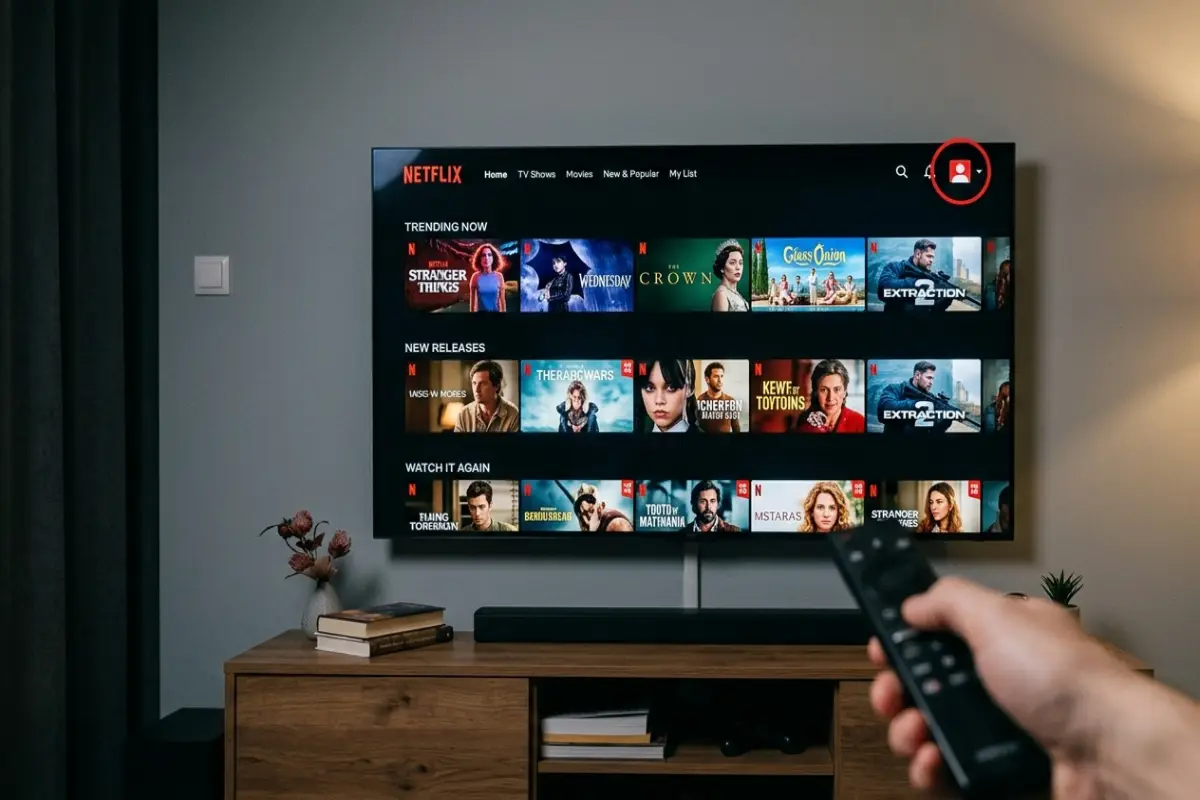
The global streaming landscape is facing a major reality check as the world's leading entertainment platform hits a critical speed bump. For years, investors and consumers alike viewed the streaming giant as an unstoppable juggernaut, capable of defying market trends and continuously pulling in record-breaking numbers. However, the latest financial disclosures have sent a clear shockwave through Wall Street and the broader tech sector. When the corporate curtain is pulled back and the underlying metrics are laid bare, the reality becomes impossible to ignore: a sudden shift in subscriber momentum, lighter revenue forecasts, and an international slowdown indicate that the golden era of effortless streaming growth may be drawing to a close. As market analysts dissect the numbers, a defining question emerges regarding what happens to the digital entertainment ecosystem when Netflix earnings disappoints the global market.
This financial deceleration marks a pivotal moment for the tech and entertainment sectors. It highlights a broader narrative about market saturation, changing consumer habits, and the limitations of traditional monetization models in an increasingly crowded digital landscape. To understand where the industry goes from here, we must explore the specific factors that contributed to this modern corporate slowdown. By analyzing structural shifts, subscriber metrics, advertising tier developments, and content acquisition strategies, we can uncover the true health of the digital economy. This deep dive will provide the precise context needed to evaluate whether this is a temporary hiccup or a structural shift that will fundamentally alter how entertainment platforms operate moving forward.
Deconstructing the Latest Financial Metrics and Market Misses
The core of the current industry anxiety lies in the specific financial benchmarks reported in the company's recent shareholder updates. While the streaming pioneer managed to show baseline revenue growth, it failed to meet the lofty heights anticipated by institutional investors. For example, during the first quarter, the company posted an earnings per share of seventy cents, falling short of Wall Street consensus estimates of seventy-six cents by nearly eight percent. While a single-quarter miss can sometimes be dismissed, the subsequent guidance updates failed to provide the aggressive reassurance that the market desperately craved.
The primary concern for financial analysts is the guidance provided for the upcoming quarters, which revealed a softer-than-expected revenue outlook. Management narrowed its full-year revenue projection to between fifty-one billion dollars and fifty-one point four billion dollars. While these numbers sound massive, the lack of an upward guidance revision combined with a light third-quarter margin forecast signal a distinct moderation in long-term growth expectations. Investors rely heavily on forward-looking optimism to justify premium stock valuations, and when that optimism is replaced by conservative consolidation, market corrections are almost inevitable.
The Growing Threat of Global Subscriber Saturation
For more than a decade, the primary metric of success in the streaming ecosystem was simple: net subscriber additions. As long as millions of new households signed up every quarter, Wall Street willingly overlooked massive production expenditures. Today, however, the platform has achieved an unprecedented global scale, reaching over three hundred and twenty-five million paid subscribers spread across one hundred and ninety countries. Ironically, this massive success has created its own strategic bottleneck, as the platform has effectively saturated its most lucrative domestic and international territories.
In mature markets like the United States and Canada, known within the industry as the UCAN region, the addressable audience has plateaued significantly. Most households that want the service already have a subscription, meaning that future expansion relies heavily on secondary international markets. However, recent data indicates an international growth slowdown, particularly in highly anticipated developing regions. When these critical international markets begin to cool down, it exposes a harsh reality: the platform cannot rely solely on raw subscriber accumulation to drive enterprise value anymore, forcing a difficult transition toward alternative monetization paths.
The Complex Realities of the Ad-Supported Revenue Model
To counteract the natural slowdown in premium tier subscriptions, the corporate strategy shifted heavily toward a cheaper, ad-supported membership option. On paper, the growth of this initiative looks incredibly impressive, with the ad-supported tier swelling to over two hundred and fifty million monthly active viewers globally. In major domestic markets like the United States, roughly forty-five percent of new sign-ups are now funneled directly into this lower-cost, ad-filled environment. However, converting a massive viewer base into realized, high-margin advertising dollars is proving to be far more complicated than initially anticipated.
The platform is on track to generate approximately three billion dollars in advertising revenue, which represents a doubling of its previous ad-related income. Yet, when compared to the company's overall multi-billion-dollar operation, advertising still represents a relatively small piece of the total financial puzzle. The challenge lies in the fact that low-cost ad-tier memberships often cannibalize higher-priced premium subscriptions. If an existing user downgrades to the cheaper tier, the advertising revenue generated from their viewing habits must completely offset the loss of their direct subscription fee just to break even. Currently, the ad-market infrastructure is still maturing, meaning the financial buffer provided by commercial breaks is not yet strong enough to completely carry the weight when core Netflix earnings disappoints expectations.
Shifting Content Strategies: From Organic Growth to Acquisitions
Another telling symptom of the changing streaming landscape is the radical evolution of the company's content acquisition strategy. Historically, the brand took immense pride in building a proprietary library of exclusive, organic intellectual property. The company routinely poured fifteen to eighteen billion dollars annually into producing original films and episodic dramas, aiming to control the entire production pipeline from script to screen. However, the astronomical costs associated with sustaining a continuous pipeline of blockbuster originals are facing intense scrutiny from cost-conscious executives.
To maximize efficiency and mitigate production risks, the streaming giant is quietly shifting away from how it historically ran its business. We are now seeing an aggressive pivot toward acquiring licensed content from rival legacy studios and pursuing live sports rights, such as securing high-profile professional football contracts and live entertainment events. Live sports offer a powerful dual benefit: they guarantee massive, highly engaged audiences for advertisers, and they provide built-in cultural relevance without the multi-year development cycles required by scripted dramas. While this pragmatic approach makes perfect financial sense, it represents a departure from the unique creative identity that originally fueled the platform's meteropic rise.
Operational Adjustments: AI Integration and Reporting Changes
In response to tighter financial margins, the corporate leadership team is aggressively pursuing internal cost optimizations and technological efficiencies. One of the most significant operational revelations is the widespread adoption of advanced generative artificial intelligence workflows across the production ecosystem. The technology has already been utilized in roughly three hundred productions, primarily focused on streamlining post-production, visual effects, and localization processes. By reducing the time and labor required to finalize content, management hopes to preserve its targeted operating margin of thirty-one point five percent without sacrificing visual quality.
Simultaneously, the corporation is fundamentally altering how it communicates with its stakeholders. Starting in the near future, the company will transition its detailed viewer engagement reporting to an annual cadence rather than bi-annual, allowing management to steer public attention away from short-term viewership volatility. More importantly, the deliberate choice to stop reporting raw quarterly subscriber additions highlights a permanent pivot toward prioritizing core financial health indicators, specifically total revenue and operating profit. This reporting evolution is a clear acknowledgment that the company wants to be judged as a mature, stable media utility rather than a high-growth tech startup.
Frequently Asked Questions
Why did the market react negatively if the platform still showed baseline revenue growth?
The financial markets operate primarily on expectations and forward-looking momentum rather than historical achievements. Even if a corporation reports positive revenue numbers, the stock price can decline sharply if those numbers fail to meet consensus analyst projections or if the company offers a softer-than-expected outlook for the upcoming quarters. When Netflix earnings disappoints Wall Street by failing to raise its full-year guidance or by showing an international growth slowdown, it triggers institutional selling as investors adjust their long-term growth valuations.
How does the ad-supported subscription tier impact the company's bottom line?
The ad-supported tier serves as an excellent tool for user acquisition and retention, allowing the platform to capture budget-conscious consumers who might otherwise abandon the service. However, the financial impact is a double-edged sword. While it expands the total active user base to over two hundred and fifty million viewers, it also creates a risk of subscription cannibalization. The long-term profitability depends on whether the platform can scale its advertising sales infrastructure quickly enough to ensure that the revenue generated from commercial spots exceeds the deficit created by users opting for cheaper monthly plans.
What does the shift toward live sports indicate about the future of streaming?
The pivot toward live sports and licensed content indicates that the streaming ecosystem has entered a mature consolidation phase. Original scripted content is incredibly expensive to produce and carries a high risk of creative failure. Live sports, on the other hand, deliver guaranteed, highly engaged audiences in real time, making them exceptionally attractive to major corporate advertisers. This shift shows that streaming platforms are increasingly adopting the proven structural models of traditional broadcast television to stabilize their revenue streams and combat subscriber churn.
Will subscription prices continue to rise in mature digital markets?
Yes, strategic price increases remain one of the primary levers the platform utilizes to drive revenue growth in saturated regions like the United States and Canada. Because raw subscriber growth has naturally slowed in these mature territories, the company must generate more revenue per existing user to satisfy market expectations. While price hikes carry a slight risk of increasing user cancellations, the platform's high engagement rates and dominant market share give it significant pricing power over its user base.
Navigating the transition from an explosive growth startup to a mature, highly optimized media enterprise is a complex challenge that every tech pioneer must eventually face. The current financial adjustments prove that even the most dominant digital brands are not immune to macroeconomic pressures and the natural limits of consumer saturation. However, true corporate resilience is defined by the ability to adapt, innovate, and restructure operational models in the face of adversity. Here at Major Daily, we believe that tracking these seismic shifts in corporate finance and digital infrastructure is essential for understanding the future of the modern economy. Stay informed on the latest tech developments, analyze how these corporate strategies impact your personal digital ecosystem, and join us as we continue to monitor the fascinating evolution of global technology and entertainment markets.