
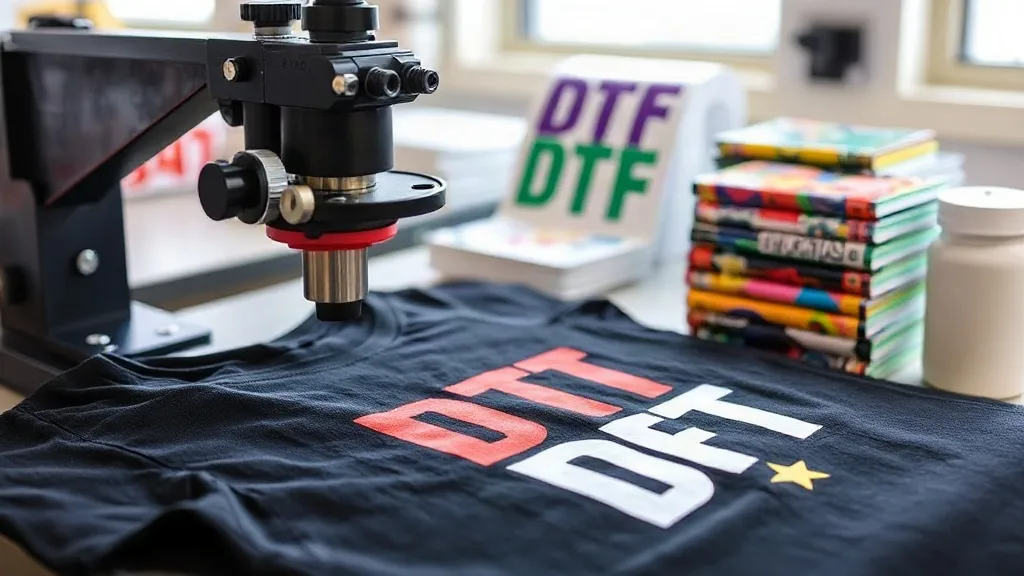
If you've been anywhere near the custom apparel scene lately, you've probably heard the buzz about dtf transfers. This innovative printing method is quickly becoming a favorite among hobbyists and professionals alike, offering a compelling alternative to traditional screen printing and vinyl. But what exactly makes DTF so special, and why should you consider it for your next project? In this guide, we'll break down everything you need to know about DTF transfers, from the basic process to practical tips for getting started.
What Are DTF Transfers?
DTF stands for Direct-to-Film. It's a printing technology where your design is printed onto a special film, then coated with a powder adhesive and cured. The resulting transfer can be applied to a wide range of fabrics using a heat press. Unlike DTG (Direct-to-Garment) printing, which requires the garment to be pre-treated and printed directly, DTF transfers are produced separately and then applied, giving you more flexibility and consistency.
The DTF Printing Process Step by Step
Understanding the process helps you appreciate the results. Here's how it works:
- Design Preparation: Your artwork is prepared digitally, ensuring it's mirrored and properly sized.
- Printing: A specialized DTF printer lays down a layer of white ink (if needed) and then color inks onto a PET film. The white ink acts as a base for vibrant colors on dark fabrics.
- Powder Application: While the ink is still wet, a hot-melt adhesive powder is applied evenly over the printed area.
- Curing: The film is heated to melt the powder, creating a durable, flexible adhesive layer.
- Transfer: Once cooled, the transfer is placed on the fabric and pressed with a heat press, typically at 150-160°C for 10-15 seconds. After pressing, the film is peeled off (hot or cold peel, depending on the film type), leaving the design bonded to the fabric.
Why Choose DTF Transfers?
DTF has several advantages that make it stand out. Let's explore the key benefits.
1. Works on Almost Any Fabric
One of the biggest selling points of dtf is its versatility. Unlike vinyl or screen printing, which can be finicky with certain materials, DTF transfers adhere well to cotton, polyester, blends, and even tough fabrics like canvas and denim. This means you can experiment with different garment types without worrying about compatibility.
2. Vibrant, Durable Prints
DTF prints are known for their bright colors and fine details. The white ink base ensures that colors pop even on dark shirts. Plus, when applied correctly, the prints are highly durable, withstanding multiple washes without fading or cracking. This makes DTF ideal for items that will see frequent use, like team jerseys or workwear.
3. Cost-Effective for Small Batches
Setting up screen printing for a small order can be expensive due to setup costs. DTF transfers eliminate the need for screens, making short runs and one-off designs much more affordable. You can order just a few transfers without breaking the bank.
4. No Pre-Treatment Required
DTG printing often requires pre-treating the garment to ensure the ink bonds properly, which adds time and cost. DTF transfers skip this step entirely, streamlining your workflow.
Getting Started with DTF Transfers
Ready to dive in? Here are some practical steps to begin your DTF journey.
Choose the Right DTF Printer
If you're considering in-house production, you'll need a DTF printer. Entry-level models are available, but be prepared for a learning curve. Alternatively, you can order custom transfers from a service provider, which is a great way to test the waters without a big investment.
Select Quality Supplies
The quality of your film, powder, and ink significantly affects the final result. Opt for reputable brands and ensure your powder is stored properly to avoid clumping. For those seeking convenience, many suppliers offer pre-printed dtf transfers near me services, allowing you to upload your design and receive ready-to-press transfers.
Master the Heat Press
Consistency is key. Invest in a good heat press with accurate temperature and pressure control. Always perform a test press on a scrap fabric to dial in your settings. Remember, different fabrics may require slight adjustments.
Design with DTF in Mind
While DTF can handle intricate details, avoid extremely fine lines or gradients that may not translate well. Also, consider the fabric color: if you're printing on dark material, ensure your design has enough contrast.
Common Challenges and How to Overcome Them
Even with a solid setup, you might encounter issues. Here are some common problems and solutions.
- Peeling or Cracking: This usually indicates insufficient pressure or incorrect temperature during transfer. Double-check your heat press settings and ensure even pressure.
- Faded Colors: If colors appear dull after washing, it might be due to improper curing of the powder or using low-quality ink. Ensure the powder is fully melted and consider upgrading your supplies.
- Adhesive Residue: Sometimes a sticky residue remains on the fabric after peeling. This can be removed by pressing the garment again with a Teflon sheet or parchment paper for a few seconds.
DTF vs. Other Printing Methods
How does DTF stack up against the competition? Let's compare.
- DTF vs. Screen Printing: Screen printing is cost-effective for large orders but requires setup and is limited to certain fabrics. DTF is better for small batches and complex designs.
- DTF vs. Vinyl: Vinyl is great for simple designs but can be bulky and less durable. DTF offers softer hand feel and more detailed prints.
- DTF vs. DTG: DTG is excellent for 100% cotton but requires pre-treatment and can be slower. DTF works on more fabrics and has a simpler workflow.
Finding DTF Transfers Near You
If you're not ready to invest in a printer, you can easily order custom DTF transfers online. When searching for dtf transfers near me, look for suppliers with good reviews, clear pricing, and fast turnaround. Many companies offer sample packs so you can test quality before committing to a larger order.
Frequently Asked Questions
What fabrics can I use with DTF transfers?
DTF transfers work on a wide range of fabrics, including cotton, polyester, blends, denim, canvas, and more. They are particularly effective on dark colors because of the white ink base.
How long do DTF prints last?
When applied correctly, DTF prints can last for years without significant fading or cracking. Proper washing (inside out, cold water, no harsh chemicals) will extend their life.
Can I stretch DTF prints?
DTF transfers have some elasticity, but excessive stretching can cause cracking. For stretchy fabrics, ensure the design is applied with adequate pressure and consider using a stretchable DTF film.
Do I need a special printer for DTF?
Yes, DTF requires a dedicated DTF printer that uses pigment inks and can print white ink. However, you can also order transfers from professional services without owning a printer.
Is DTF environmentally friendly?
DTF uses water-based inks and no harmful chemicals, making it more eco-friendly than some other methods. However, the film and powder do contribute to waste, so recycling programs are emerging.
DTF transfers are a game-changer for custom apparel, offering versatility, durability, and cost-effectiveness. Whether you're a small business owner or a DIY enthusiast, embracing DTF can elevate your creations. So why not give it a try? With the right knowledge and supplies, you'll be producing professional-quality prints in no time.