
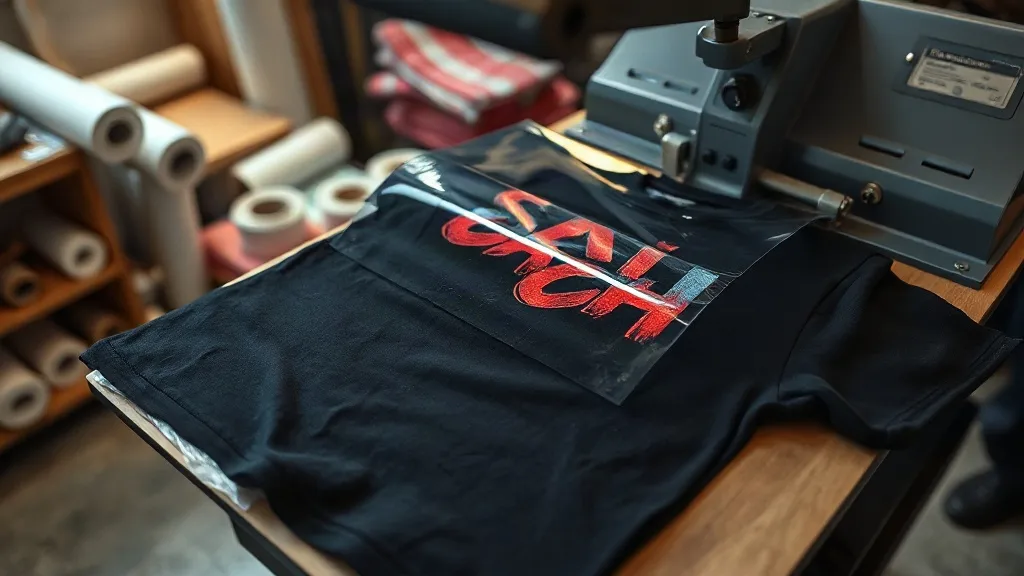
If you have spent any time around custom apparel in the last few years, you have probably noticed a shift. Small shops that used to turn down one-off orders now take them without blinking. Printers who once needed a six-color press to make a shirt look good can now pull something sharp off a desktop setup. A lot of that change comes down to dtf transfers, and once you understand how they behave on fabric, it is easy to see why they have stuck around instead of fading out like so many print trends.
This guide is for the person standing behind the heat press, not the marketing department. We will walk through what a DTF transfer actually is, where it makes sense compared to screen printing and vinyl, how to avoid the mistakes that ruin finished pieces, and why the blank shirt you choose matters just as much as the transfer itself. Along the way we will look at shaka wear blanks, which have become a common pairing for this kind of work.
What a DTF Transfer Actually Is
DTF stands for direct to film, and the name is fairly literal. A printer lays down a mirrored image onto a special film, dusts it with adhesive powder while the ink is still wet, and cures the whole thing. What you end up with is a thin, flexible sheet that carries both the color and the glue. When you press it onto fabric, the adhesive melts into the weave and the film peels away clean.
That two-part structure is the key detail. Unlike heat transfer vinyl, which is cut from solid colored sheets and sits on top of the fabric like a sticker, a dtf print is essentially liquid ink that has been frozen in place and then bonded to the garment. It bends with the shirt, it stretches, and on cotton it feels like almost nothing at all.
Why the Film Matters More Than the Printer
People tend to obsess over which printer model they buy. In practice, the film and the powder have a bigger effect on the final result. Cheap film curls at the edges during printing and leaves you with misaligned color. Poor adhesive powder cures unevenly and either fails to bond or leaves a stiff, plasticky hand feel. If you are sourcing transfers rather than printing your own, ask about the film and powder, not just the print resolution. A shop that can answer that question clearly usually knows what it is doing.
Where DTF Beats the Alternatives
No print method wins everywhere. The honest comparison looks like this:
- Short runs and one-offs. Screen printing needs a screen per color and a setup charge per run. A single DTF transfer can be pressed in under a minute with no setup cost at all.
- Full-color artwork. Photographs, gradients, and complex illustrations are where DTF shines. You are not paying for each color, so a twelve-color design costs the same as a two-color one.
- Dark garments. The white ink layer in a DTF print gives you opaque color on black or navy fabric without the double-pass tricks screen printers use.
- Odd placements. Sleeves, pockets, hoods, and inside labels are all fair game. You can press a transfer anywhere a heat press can reach.
Where it loses ground is on very large runs of simple designs, where screen printing is still cheaper per unit, and on certain synthetic fabrics that cannot take the press temperature. If you are printing ten thousand two-color tees, talk to a screen printer. If you are printing forty shirts with a detailed illustration, DTF is almost certainly the better call.
DTF Versus Vinyl for Small Shops
Vinyl is still cheaper for basic single-color text and numbers, and it is hard to beat for names on the back of jerseys. But the moment a design has more than two colors, weeding vinyl becomes a slow, error-prone job. A dtf transfers sheet skips the weeding entirely. For a shop doing mixed orders, keeping both options on hand is the practical answer.
Pressing DTF Transfers Without Ruining Them
Most failures with DTF come down to three variables: temperature, pressure, and time. Get those right and the process is remarkably forgiving. Get them wrong and you will be peeling ink off a shirt in the wash two weeks later.
Temperature and Time
Most films are designed to press in the 300 to 320 degree Fahrenheit range for somewhere between ten and fifteen seconds. Follow the film manufacturer's spec rather than a generic number you found online, because powders and films vary. A common mistake is pressing too hot to save time. That can scorch the adhesive and cause the print to crack along fold lines later.
Pressure
You want firm, even pressure, not a crushing press. Medium to heavy is the usual recommendation. If the edges of the transfer look slightly dull or the film lifts before you peel it, pressure is probably too low. If the print looks flattened and the fabric has a shiny imprint around it, you are pressing too hard.
The Peel
Most modern DTF films are cold peel, meaning you wait until the sheet is comfortable to touch before pulling it away. Peeling hot is a habit carried over from vinyl work and it will cause the ink to stretch or tear. Let it cool, peel at a low angle, and then do a short second press with a cover sheet to lock everything in.
Pre-Pressing the Garment
This step gets skipped constantly and it matters. Moisture trapped in the fabric turns to steam under the press and prevents proper adhesion. Give the shirt five seconds of pressure before you place the transfer. It also flattens the weave so the print sits evenly.
Choosing a Blank That Holds Up
A transfer is only as good as the shirt under it. A print that bonds perfectly to a thin, unevenly knit blank will still look tired after a dozen washes because the fabric itself has lost shape. This is where blank selection becomes part of the print quality conversation.
Shaka Wear has become a familiar name in shops that do a lot of heat press work, and the reasons are practical rather than fashionable. Their heavyweight cotton tees have a tight, consistent knit, which means the surface under the transfer is flat and predictable. A smooth, dense fabric gives the adhesive more surface to grab, and the print sits flush instead of sinking into a loose weave. The heavier fabric weight also resists the kind of stretching and distortion that cracks prints over time.
There is a cost consideration too. Heavyweight blanks hold their shape through repeated washing, which matters if you are printing for a team, a band, or a brand where the shirt is meant to be worn hard. A slightly thicker blank often outlasts a cheaper one by enough washes that the price difference evens out. For shops building a reputation on quality, that trade-off is usually worth taking.
Fabric Types to Watch
Cotton and cotton-poly blends are the safest bet. High polyester content can be pressed successfully, but it needs lower temperatures to avoid dye migration, where the garment's color bleeds up into the white ink layer. If you are printing light designs on dark polyester, test a spare piece first. Nylon and coated fabrics are a different story and often will not take a DTF transfer at all.
Common Mistakes That Cost You Money
- Skipping the test press. Every new fabric and film combination deserves one test garment. It takes three minutes and saves ruined orders.
- Storing transfers badly. Keep unused sheets flat, dry, and away from heat. Curled film prints crooked.
- Over-stretching during placement. Tape the transfer down if it is large. A shifted print cannot be fixed after pressing.
- Washing instructions ignored. Tell your customers to wash inside out and skip the dryer's highest setting. It extends print life noticeably.
Is DTF Right for Your Project?
If your order is small, your artwork is detailed, or your turnaround is tight, DTF is very hard to beat. If you are producing large volumes of a simple design, compare the per-unit cost against screen printing before committing. And whatever you choose, spend a little time on the blank. The best print in the world will not save a shirt that falls apart, and a good heavyweight tee paired with a properly pressed transfer will outlast most of what comes off a rack.
Frequently Asked Questions
How long do DTF transfers last on a shirt?
With correct pressing and reasonable care, a DTF print typically holds up for the life of the garment. Most wear comes from washing hot and drying on high heat, so inside-out washing and low dryer settings make a real difference.
Can you put DTF transfers on polyester?
Yes, but with care. Polyester needs lower press temperatures to prevent dye migration, and light-colored designs on dark polyester are the riskiest combination. Always run a test press on a spare garment before committing to a full order.
Do DTF transfers work on hoodies and sweatshirts?
They do, and heavy fleece is one of the better use cases. The main adjustment is pressure. Thick fabric needs a bit more force and often a slightly longer press so the adhesive reaches the fabric surface evenly.
What is the difference between DTF and DTG printing?
DTG prints directly onto the garment, which means the shirt has to be loaded onto the printer and pre-treated first. DTF prints onto film and is then pressed onto the shirt. DTF handles dark fabrics and unusual placements more easily, while DTG can feel slightly softer on light cotton.
Can I press a DTF transfer with a home iron?
It is possible but unreliable. A home iron does not deliver even pressure or consistent temperature across the whole design, so edges tend to lift. For anything you care about, a proper heat press is worth the investment.