
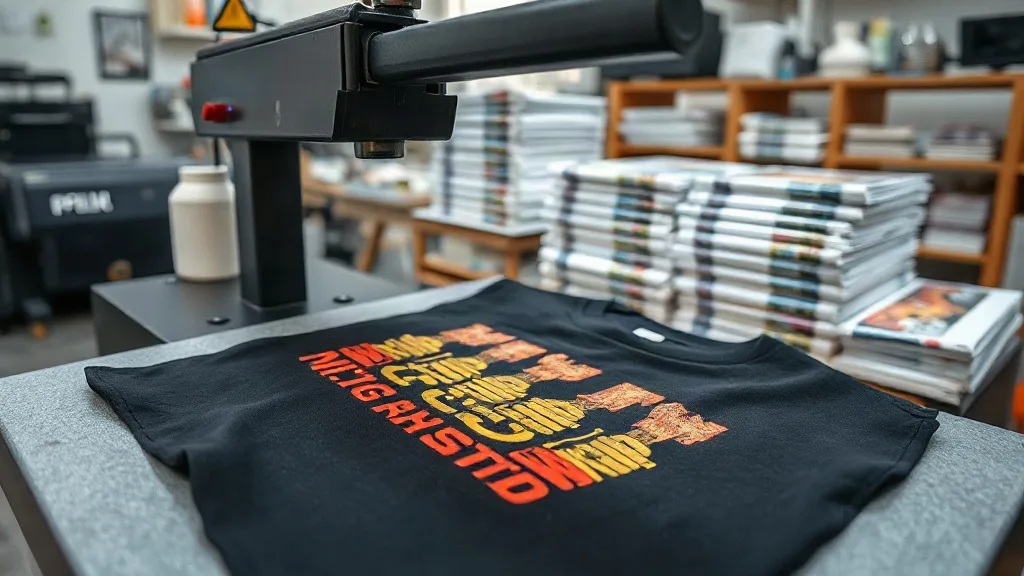
Custom apparel printing has come a long way, and if you're looking for a method that delivers vibrant colors, fine details, and durability across different fabrics, dtf transfers might be exactly what you need. Unlike traditional screen printing or vinyl, DTF (Direct to Film) technology offers a versatile and accessible way to bring your designs to life, whether you're a hobbyist or a small business owner. In this guide, we'll walk you through the essentials of DTF printing, from how it works to practical tips for getting started.
What Are DTF Transfers?
DTF stands for Direct to Film. It's a printing method where your design is printed onto a special film, coated with a powder adhesive, and then heat-pressed onto fabric. This process allows for full-color, high-detail prints without the need for pre-treating the garment, making it one of the most user-friendly options available today. The dtf method is compatible with a wide range of materials, including cotton, polyester, blends, and even some nylons, which sets it apart from other printing techniques that struggle with certain fabrics.
How Does the DTF Printing Process Work?
Understanding the steps involved in DTF printing can help you appreciate its simplicity and effectiveness. Here's a breakdown of the process:
- Design Preparation: Start with a high-resolution image. Your design should be in a digital format, and you'll need to mirror it horizontally before printing.
- Printing: Using a DTF printer, the design is printed onto a PET film with specialized DTF inks. The printer lays down a layer of white ink as a base, followed by the colored inks.
- Powder Application: While the ink is still wet, a hot-melt adhesive powder is applied evenly over the design. Shake off the excess.
- Curing: The film is then heated to melt the powder, creating a durable adhesive layer. This can be done with a heat press or a curing oven.
- Transfer: Once cured, the film is placed on the fabric and heat-pressed. After cooling, the film is peeled away, leaving the design bonded to the fabric.
Each step is straightforward, but attention to detail ensures a professional finish. For those new to the craft, practice on scrap fabric is recommended before working on final pieces.
Why Choose DTF Transfers for Your Projects?
There are several compelling reasons why DTF printing has gained popularity among crafters and businesses alike. Let's explore the key benefits.
Versatility Across Fabrics
One of the biggest advantages of DTF transfers is their compatibility with a wide range of materials. Whether you're working with cotton t-shirts, polyester sportswear, or even canvas bags, DTF can adhere effectively. This flexibility means you don't need to stock multiple types of transfers or invest in different equipment for each fabric type.
Vibrant and Durable Prints
DTF transfers produce bright, opaque colors that stand out on both light and dark garments. The white ink base ensures that colors remain vivid even on black or navy fabrics. Additionally, the prints are highly durable, withstanding multiple washes without significant fading or cracking when applied correctly.
Cost-Effective for Small Batches
Unlike screen printing, which requires separate screens for each color and becomes cost-effective only at higher volumes, DTF transfers are economical for small runs. You can print one-offs or short batches without incurring high setup costs. This makes DTF an excellent choice for small businesses, event merchandise, or personalized gifts.
No Pre-Treatment Required
Many direct-to-garment (DTG) printing methods require pre-treating the fabric to improve ink adhesion, especially on dark colors. DTF eliminates this step, saving time and reducing the risk of inconsistent results. Simply press and peel for a professional finish.
Applications of DTF Transfers
The versatility of DTF printing opens up a world of possibilities. Here are some popular applications:
- Custom T-Shirts and Apparel: Create personalized shirts for teams, events, or brands.
- Sportswear and Activewear: DTF adheres well to stretchy fabrics like spandex and polyester, making it ideal for jerseys and leggings.
- Accessories: Personalize tote bags, hats, and even shoes with intricate designs.
- Home Decor: Add custom prints to pillowcases, curtains, and upholstery.
- Promotional Items: Produce branded merchandise for giveaways or resale.
If you're searching for dtf transfers near me, you'll find that local print shops and online suppliers offer DTF services, making it accessible for both individuals and businesses.
Getting Started with DTF Printing: Practical Tips
Ready to dive into DTF printing? Here are some tips to help you achieve great results from the start.
Choose the Right Equipment
Investing in a quality DTF printer and heat press is crucial. Look for printers designed specifically for DTF, as they handle the specialized inks and film properly. A heat press with precise temperature and pressure control will ensure consistent transfers.
Use High-Quality Supplies
Not all DTF films and powders are created equal. Cheap supplies can lead to poor adhesion, dull colors, or premature fading. Purchase from reputable suppliers who specialize in DTF materials. Similarly, use genuine DTF inks to avoid clogging and ensure vibrant output.
Master the Heat Press Settings
Each fabric type may require slight adjustments in temperature, pressure, and time. As a starting point, most DTF transfers work well at 320°F (160°C) for 10-15 seconds with medium pressure. Always perform a test press on a scrap piece of the same fabric to dial in the perfect settings.
Proper Storage of Transfers
If you're not using your DTF transfers immediately, store them in a cool, dry place away from direct sunlight. Avoid folding them sharply, as this can damage the adhesive layer. Proper storage ensures the transfers remain usable for months.
Troubleshooting Common Issues
If you encounter problems like incomplete transfers or peeling, check your heat press settings first. Insufficient pressure or temperature is often the culprit. Also, ensure the fabric is clean and free of wrinkles before pressing. For stubborn issues, consult forums or reach out to your supplier for advice.
DTF vs. Other Printing Methods
How does DTF stack up against other popular printing techniques? Here's a quick comparison:
- Screen Printing: Better for large orders of simple designs, but DTF wins for complex, multi-color designs and small batches.
- Vinyl Printing: Vinyl is limited to simple shapes and solid colors; DTF handles gradients and fine details with ease.
- Direct-to-Garment (DTG): DTG requires pre-treatment and works best on 100% cotton; DTF is more versatile and often more durable.
- Sublimation: Sublimation only works on light-colored polyester fabrics; DTF works on almost any fabric and color.
While each method has its strengths, DTF's combination of versatility, durability, and cost-effectiveness makes it a top choice for many applications.
Frequently Asked Questions About DTF Transfers
What fabrics can I use with DTF transfers?
DTF transfers work on a wide range of fabrics, including cotton, polyester, blends, nylon, and even leather. They are not recommended for fabrics with special coatings or finishes that repel adhesives.
How long do DTF prints last?
When applied correctly and cared for properly, DTF prints can last for years without significant fading or cracking. Washing the garment inside out in cold water and avoiding harsh detergents will extend the life of the print.
Can I use DTF transfers on dark colors?
Yes, DTF transfers include a white ink base that makes colors pop on dark fabrics. This is one of the key advantages over other methods that require multiple layers or special treatments for dark garments.
Do I need special equipment to apply DTF transfers?
You'll need a heat press to apply DTF transfers. A standard home iron can work in a pinch but may not provide consistent pressure and temperature, leading to less durable results. For best results, invest in a quality heat press.
Where can I buy DTF transfers?
DTF transfers can be purchased from online suppliers, local print shops, and specialized DTF retailers. If you're looking for dtf transfers near me, try searching online directories or visiting local craft stores that offer printing services.
DTF printing is a game-changer for anyone looking to create custom apparel with professional-quality results. With its versatility, durability, and ease of use, it's no wonder that dtf transfers are becoming the go-to choice for hobbyists and businesses alike. Whether you're just starting out or looking to expand your printing capabilities, DTF technology offers a reliable and cost-effective solution.