
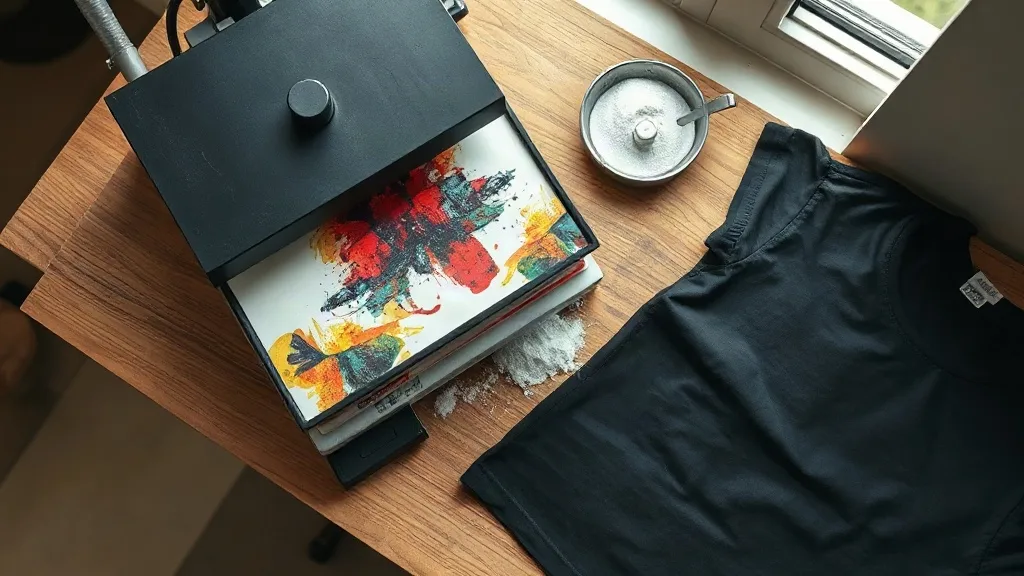
When I first set up a small print corner in my garage, I thought heat transfer vinyl would carry me for years. Then customers started asking for photographic designs on dark cotton hoodies, and suddenly my stack of colored vinyl looked like a dead end. That is when I ordered my first batch of dtf transfers and watched a full-color, gradient-heavy design peel off a sheet and bond to a black sweatshirt in under a minute. The learning curve after that was real, but the payoff was worth every ruined test shirt.
This guide is for anyone who has looked at a heat press and wondered whether dtf is worth the switch, or who has already started and wants better results. No hype, no magic claims, just the mechanics of how the process works and the habits that separate a print that survives fifty washes from one that cracks after three.
What a DTF Transfer Actually Is
DTF stands for direct to film. Instead of printing straight onto a garment, a printer lays your design onto a special PET film using water-based pigment inks. While the ink is still wet, a layer of adhesive powder gets sprinkled over it, then the film passes through a curing oven or under a heat source so the powder melts and fuses with the ink. What you end up holding is a flexible, slightly rubbery sheet that can be stored, shipped, and pressed onto fabric whenever you need it.
The important detail is that the film carries both the color and the glue. That is why DTF works on cotton, polyester, blends, canvas, and even some non-woven materials without the prep work that other methods demand. You are not relying on the fabric to accept ink directly, so the surface type matters far less than it does with screen printing or sublimation.
Why the Powder Step Cannot Be Skipped
Newcomers sometimes try to press a film before it has been powdered and cured, usually because the print looked dry to the touch. It will not stick. The adhesive powder is the entire bonding mechanism, and if it is uneven, patchy, or undercured, you will get edges that lift and centers that flake. A good supplier cures the film properly before it reaches you, which is one reason buying from a reputable source beats mixing your own batches in a humid room.
The Press Settings That Make or Break a Print
Most failed DTF presses trace back to three variables: temperature, pressure, and time. Get them wrong and even a perfect film will disappoint.
- Temperature: Most films press in the 150 to 165 degree Celsius range. Too cool and the adhesive never fully activates; too hot and the film can scorch or the carrier releases too early.
- Pressure: Medium to firm, consistent pressure. A press with uneven platens will produce one corner that bonds and one that lifts. Check your press with a pressure test strip before blaming the film.
- Time: Typically 10 to 15 seconds for the main press, then a short second press after peeling. Follow the film supplier's spec sheet, because powder formulations differ.
One habit that saved me a lot of wasted stock: press a small test square from every new roll or batch before running a customer order. Film stored in a damp room or near a heat source can behave differently than the same product fresh from the box.
Peel Hot or Cold?
This depends on the film. Some carriers release while the press is still warm, others need to cool for a few seconds. Peeling at the wrong moment is the single most common cause of stretched or torn prints. If the film fights you, stop pulling, lay it back down, and give it another short press. Forcing a peel ruins the design and the mood.
Choosing a Supplier Without Getting Burned
Searching for dtf transfers near me usually returns a mix of local print shops, resellers, and online stores that ship overnight. All three can work, but they serve different needs. A local shop is great when you need a single custom gang sheet today and want to talk through the artwork face to face. An online supplier makes more sense for repeat orders, standard sizes, and volume pricing.
Wherever you buy, ask a few blunt questions before committing:
- What ink and powder system do you use, and is the film cured before shipping?
- How do you store and ship the transfers, especially in hot weather?
- Can you send a sample sheet so I can test on my own press?
- What is your policy if a batch arrives with adhesion problems?
A supplier who answers these clearly and without defensiveness is usually a safe bet. One who dodges the powder question or promises every print will last a lifetime is not.
Gang Sheets and Cost Per Print
Most DTF suppliers price by the sheet, and the sheet size determines how many designs fit. Learning to nest artwork tightly on a gang sheet is the fastest way to cut your cost per print. Rotate small logos, fill gaps with pocket-size designs, and keep a consistent margin so the cutter has room to work. A few minutes of layout planning can drop your per-unit cost by a third, which matters a lot when you are pricing shirts for a local market.
Storage, Washing, and Realistic Durability
A well-pressed DTF print on good fabric will typically survive dozens of home washes without visible cracking, though it is not indestructible. Help your customers get the most from their garments by passing along simple care notes: wash inside out, cold water, no fabric softener directly on the print, and tumble dry low or hang dry. These small instructions reduce complaints and make your work look more professional.
For your own stock, keep unused transfers flat in a cool, dry place away from direct sunlight. Humidity is the quiet enemy. Films that absorb moisture can bubble during pressing, and no amount of pressure will fix that.
Where DTF Fits in a Small Print Business
DTF is not a replacement for every method. Screen printing still wins on large runs of simple one-color designs, and embroidery holds its own for logos on polos. But for short runs, full-color artwork, dark garments, and orders that arrive with no notice, DTF is hard to beat. It lets a one-person shop say yes to jobs that would otherwise require a minimum order of fifty pieces and a week of setup.
The practical move is to treat DTF as your flexible workhorse and keep the other methods for what they do best. Once you have your press dialed in and a supplier you trust, the process becomes almost boring, which is exactly what you want from a production method.
Frequently Asked Questions
Can I use DTF transfers on 100 percent polyester?
Yes, and it generally bonds well, but polyester is more heat sensitive than cotton. Lower your press temperature slightly and shorten the dwell time to avoid glazing or scorching the fabric. Always run a test piece first, since polyester blends vary widely in how they react to heat.
How long do unused DTF transfers last?
Stored flat, dry, and away from heat, most films remain usable for several months, often up to a year depending on the supplier's formulation. Humidity and sunlight are the main threats. If a film feels tacky or shows wavy edges, test it on scrap fabric before putting it on a customer order.
Do I need a special printer to make my own DTF transfers?
You can produce them in-house with a DTF-specific printer, pigment inks, adhesive powder, and a curing setup, but the upfront cost and maintenance are significant. Many small shops start by buying ready-made transfers and only invest in their own printer once volume justifies it. Buying first also teaches you what a properly cured film should feel like.
Why is my DTF print cracking after washing?
Cracking usually points to incomplete adhesive activation, too much pressure stretching the film during press, or washing in hot water. Recheck your temperature and pressure, make sure the garment is completely dry before pressing, and confirm the film was fully cured when you received it. A second short press after peeling often improves durability.
Is DTF cheaper than heat transfer vinyl for small orders?
For simple one-color designs, vinyl can still be cheaper because there is no film cost. For full-color or photographic artwork, DTF usually wins because you are not layering multiple vinyl colors or buying specialty sheets. Run the numbers per design rather than per method, and the right choice becomes obvious.