
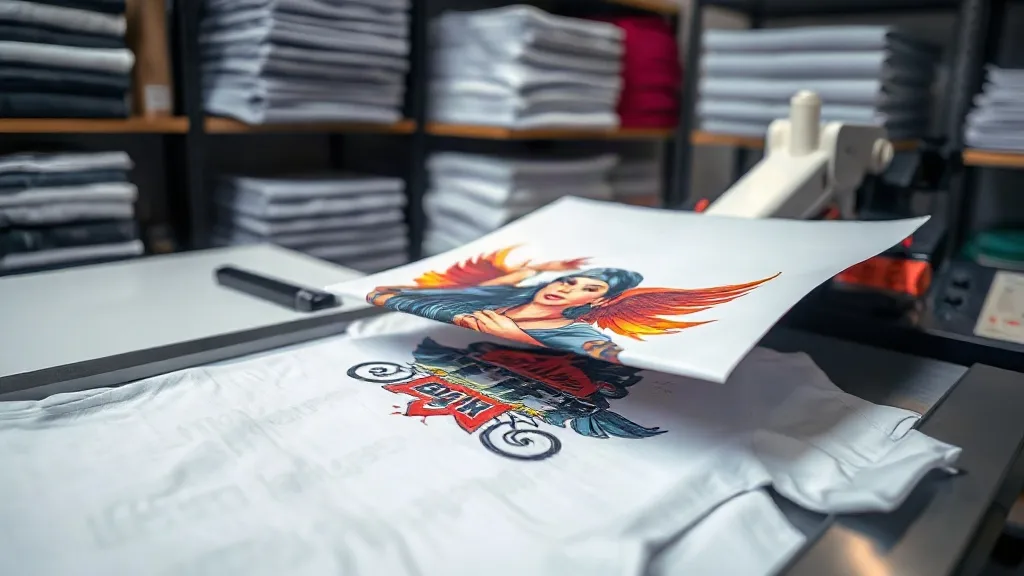
If you have been anywhere near the custom apparel world lately, you have probably heard about dtf transfers. This digital printing method has exploded in popularity, and for good reason: it lets you print full-color designs on almost any fabric without the setup costs of screen printing. Whether you are running a small print shop, starting a clothing brand, or just want to personalize team jerseys, DTF offers a practical path to professional results. But like any craft, the quality of your output depends on understanding the process, the materials, and the little details that separate a print that lasts from one that peels after three washes.
What Are DTF Transfers?
DTF stands for Direct to Film. The process involves printing your design onto a special PET film using a DTF printer, applying a hot-melt powder adhesive while the ink is still wet, and then curing the powder to create a dry, tacky layer. The result is a transfer sheet that you can store and use later. When you are ready to apply it, you place the transfer on a garment and press it with a heat press. The adhesive melts into the fabric, and the ink bonds permanently. Unlike DTF, which requires a dedicated printer and powder, DTF transfers can be purchased pre-made from suppliers, making the technology accessible to anyone with a heat press.
Why Choose DTF Transfers?
There are several reasons why DTF has become a go-to method for custom apparel. First, it works on a wide range of materials, including cotton, polyester, blends, and even some nylons. That flexibility is a big deal if you print on different garment types. Second, DTF requires no minimum order quantity when you buy transfers from a supplier, so you can order one-offs or small batches without breaking the bank. Third, the color vibrancy is excellent: DTF inks are pigment-based and produce bright, opaque prints that stand out on both light and dark shirts. Finally, the process is relatively fast. Once you have a transfer, you can press it in under a minute, which is perfect for on-demand orders.
Choosing the Right DTF Transfer Supplier
Not all transfers are created equal. The quality of the film, the ink, and the adhesive powder all affect how your final print looks and performs. When you search for dtf transfers near me, you might find local suppliers, but online options often provide faster turnaround and better pricing. Look for suppliers that use high-grade films that release cleanly, and powders that cure without clumping. Read reviews and ask for samples if possible. A good supplier will provide clear instructions and stand behind their product. Also, consider the shelf life: transfers should be stored in a cool, dry place and used within a few months for best results.
Film Types and Their Impact
DTF film comes in two main types: cold peel and hot peel. Cold peel film requires you to wait until the transfer cools completely before removing the carrier sheet. This is often easier for beginners because the risk of the design lifting prematurely is lower. Hot peel film, on the other hand, allows you to peel the carrier sheet while it is still hot, which speeds up production. However, hot peel requires a bit more practice to avoid tearing the print. Many suppliers offer both, so you can experiment and see which fits your workflow.
Step-by-Step Application Guide
Applying a DTF transfer correctly is crucial for durability. Here is a straightforward process that works for most heat presses:
- Preheat your press to the temperature recommended by your transfer supplier. Typically, this is around 300°F to 320°F (150°C to 160°C).
- Pre-press the garment for a few seconds to remove moisture and wrinkles. This step also helps the fabric accept the adhesive more evenly.
- Place the transfer on the garment with the printed side facing up. If your transfer has a carrier sheet, make sure it is on top.
- Press with medium pressure for 10 to 15 seconds. Use a pressing pillow or a folded towel inside the shirt to provide a firm, even surface.
- Peel the carrier sheet according to the film type: cold peel after cooling, hot peel immediately.
- Post-press for another 5 to 10 seconds with a protective sheet (like parchment paper or a Teflon sheet) to ensure the adhesive fully bonds.
Following these steps will give you a strong bond, but remember that every press and transfer brand can vary slightly. Always test with a scrap piece before running a full order.
Common Mistakes to Avoid
Even experienced printers run into issues. Here are a few common pitfalls and how to steer clear of them:
- Insufficient pressure: If the transfer does not adhere properly, it may peel after washing. Make sure your press applies even pressure across the entire design.
- Wrong temperature: Too hot and you might scorch the fabric or melt the film; too cold and the adhesive won't activate. Use a heat gun or infrared thermometer to verify your press temperature.
- Ignoring fabric type: Some fabrics, like nylon or coated materials, require lower temperatures or special handling. Always check the garment's care label.
- Storing transfers improperly: Exposure to humidity or direct sunlight can ruin the adhesive. Keep transfers in a sealed bag in a cool, dark place.
Making DTF Work for Your Business
If you are using DTF for business, consistency is key. Develop a standard operating procedure for every order, from pre-press to packaging. Train your team on the correct techniques and keep a log of press settings for different fabrics. This will help you maintain quality and reduce waste. Also, consider offering a wash test guarantee: print a sample, wash it a few times, and show customers the results. That builds trust and sets you apart from competitors who might cut corners.
Frequently Asked Questions
How long do DTF transfers last?
With proper application and care, DTF prints can last as long as the garment itself. Washing inside out in cold water and avoiding harsh detergents will extend the life of the print.
Can I use DTF transfers on dark colors?
Absolutely. DTF prints are opaque and show up vibrantly on both light and dark fabrics, thanks to the white ink layer that is printed beneath the colors.
Do I need a special heat press for DTF?
A standard heat press works fine, but you need to ensure it can maintain consistent temperature and pressure. Some people use a home iron, but results are less reliable.
What is the difference between DTF and DTG?
DTG (Direct to Garment) prints directly onto the fabric, while DTF transfers are printed on film and then applied. DTF works on more fabric types and often has a softer hand feel on polyester.
How should I store unused DTF transfers?
Keep them in a cool, dry place, away from direct sunlight. A sealed plastic bag works well to protect them from humidity.