
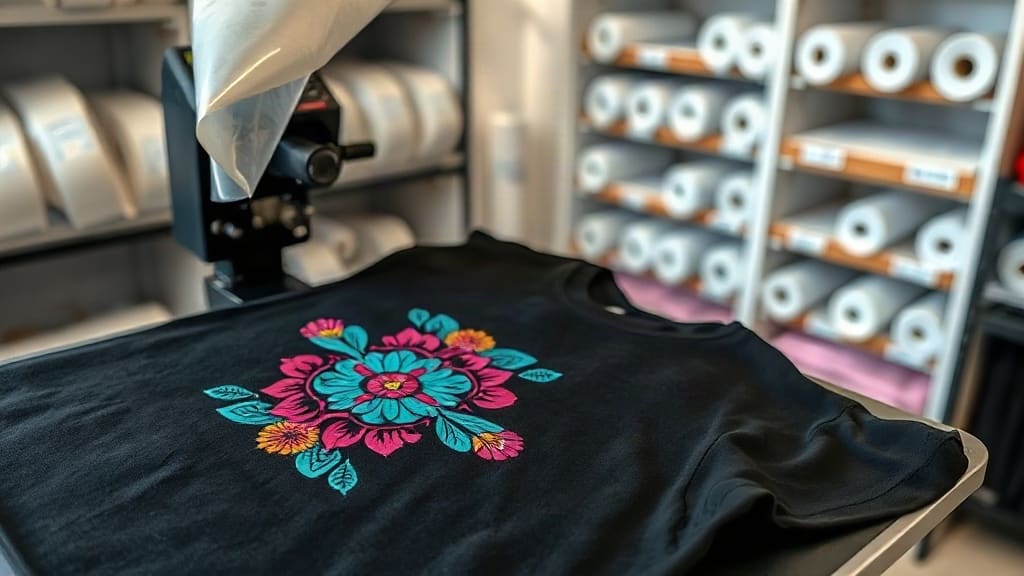
If you're in the custom apparel game, you've probably heard the buzz around DTF printing. It stands for direct-to-film, and it's quickly becoming the go-to method for producing vivid, durable designs on everything from t-shirts to tote bags. Whether you're a small business owner, a hobbyist, or just someone who wants a one-off custom piece, understanding DTF technology can save you time, money, and a lot of frustration. In this guide, we'll break down what DTF is, why it's so popular, and how to find the best DTF transfers for your needs, including options for DTF transfers near me.
What Are DTF Transfers and How Do They Work?
DTF printing is a process where a design is printed onto a special film, then coated with a hot-melt adhesive powder. The film is cured, and then the design can be transferred onto fabric using a heat press. Unlike traditional heat transfer vinyl (HTV) or screen printing, DTF doesn't require weeding or cutting, and it works on a wide range of materials, including cotton, polyester, blends, and even leather or nylon.
The process starts with a digital file. The design is printed in reverse onto a PET film using specialized DTF inks, typically CMYK plus white. The white ink acts as a base layer to make colors pop on dark fabrics. After printing, an adhesive powder is applied to the wet ink, then the film is heated to cure the powder. The result is a transfer that you can store and apply later. When you're ready, you place the film on the garment, press it with heat and pressure, and peel the film away. The design remains, bonded to the fabric.
One of the biggest advantages of DTF is its versatility. It handles fine details, gradients, and photographic images with ease. It's also incredibly durable; with proper care, DTF prints can withstand dozens of washes without cracking or fading. That's why many print shops are adding DTF to their service lineup.
Why DTF Transfers Are Taking Over Custom Apparel
The custom apparel market is crowded, but DTF has carved out a niche by solving many problems that older methods couldn't. Here are a few reasons why DTF is becoming the preferred choice for both professionals and DIYers:
- No minimum orders: With screen printing, you often need to order dozens of shirts to make it cost-effective. DTF lets you print one shirt or a hundred with the same setup cost.
- Full-color complexity: HTV requires layering multiple colors, which is time-consuming and error-prone. DTF prints all colors in one pass, including gradients and shadows.
- Works on almost any fabric: Cotton, polyester, blends, denim, canvas, and even some synthetics are all fair game. This flexibility opens up new product lines.
- Soft hand feel: Modern DTF transfers are thin and stretchy, so they don't feel like a thick plastic layer on the shirt.
- Long-lasting: When applied correctly, DTF prints resist cracking, peeling, and fading, even after many washes.
Because of these benefits, many people are searching for DTF transfers near me to get their designs printed locally. But before you pick a provider, it's important to know what separates a quality DTF transfer from a mediocre one.
What to Look for in a DTF Transfer Service
Not all DTF transfers are created equal. The quality of the film, ink, adhesive powder, and curing process all affect the final result. Here are some key factors to consider when choosing a DTF printing service:
1. Print Resolution and Color Accuracy
Look for a service that uses high-resolution printers (at least 1440 dpi) and offers color matching. If you have a specific brand color, ask if they can match it. A good DTF provider will show sample photos or offer a test print before you commit to a large order.
2. Film and Ink Quality
Cheap films can curl or melt during pressing. Premium DTF films are heat-resistant and release cleanly. Inks should be vibrant and resistant to fading. Ask about the brand of ink they use; reputable names include Epson, DuPont, and Sawgrass.
3. Adhesive Powder and Curing
The adhesive powder is what bonds the design to the fabric. It should be evenly applied and properly cured. Under-cured powder can cause the design to wash off, while over-cured powder can become brittle. A reliable service will have strict quality control.
4. Turnaround Time and Shipping
If you're ordering online, check their production time and shipping options. Some companies offer same-day or next-day shipping for rush orders. If you're looking for DTF transfers near me, local pickup can save you shipping costs and time.
5. Customer Reviews and Reputation
Read reviews on Google, Yelp, or social media. Look for comments about color accuracy, durability, and customer service. A company with a long history and positive feedback is usually a safe bet.
How to Find DTF Transfers Near You
If you prefer to work with a local provider, there are several ways to find DTF transfers near me:
- Google Maps search: Type "DTF transfers" or "DTF printing" into Google Maps and see what comes up. Check ratings and read reviews.
- Local print shops: Many traditional sign shops and screen printers are adding DTF services. Call and ask if they offer DTF transfers or if they can recommend someone.
- Online directories: Websites like Yelp, Thumbtack, or industry-specific directories can list DTF providers in your area.
- Social media groups: Facebook groups for custom apparel or printing often have recommendations from other business owners.
- Local craft fairs or markets: Sometimes DTF printers have booths at events. This is a great way to see their work in person.
Working with a local DTF provider has advantages: you can see samples, discuss your project in person, and often get faster turnaround. Plus, you support local businesses. However, don't limit yourself to just local options; many online DTF services offer competitive pricing and quick shipping.
Cost of DTF Transfers: What to Expect
The price of DTF transfers varies based on size, quantity, and complexity. Here's a rough breakdown:
- Small designs (up to 4x4 inches): $1 to $3 per transfer, depending on quantity.
- Medium designs (up to 8x8 inches): $3 to $6 per transfer.
- Large designs (up to 12x12 inches or bigger): $6 to $12 or more.
- Gang sheets: Many providers offer gang sheets, which are large sheets with multiple designs. This can reduce the cost per design significantly. A 22x24 inch gang sheet might cost $15 to $25 and can fit dozens of small designs.
Keep in mind that some services charge setup fees, especially for custom color matching or rush orders. Always ask for a quote upfront and compare prices from a few providers. Remember, the cheapest option isn't always the best; quality matters.
Applying DTF Transfers: Tips for Best Results
Even the best DTF transfer will fail if it's not applied correctly. Here are some pro tips for getting a perfect press every time:
- Use the right temperature and pressure: Most DTF transfers require 300-320°F (150-160°C) with medium to firm pressure for 10-15 seconds. Check the provider's instructions.
- Pre-press the garment: Press the shirt for a few seconds to remove moisture and wrinkles. This helps the adhesive bond better.
- Peel correctly: DTF transfers are usually cold peel, meaning you wait until the film cools before peeling. Some are hot peel; follow the instructions. Peeling too early can ruin the design.
- Use a Teflon sheet or parchment paper: Place it over the transfer during pressing to protect both the design and your heat press.
- Wash inside out: To extend the life of the print, wash garments inside out in cold water and avoid harsh detergents or bleach.
With practice, you'll get consistent results. If you're new to DTF, consider ordering a few extra transfers to test on scrap fabric first.
Common Mistakes to Avoid When Ordering DTF Transfers
Ordering DTF transfers is straightforward, but there are pitfalls. Here are some common mistakes and how to avoid them:
- Low-resolution artwork: Always provide vector files (AI, EPS, SVG) or high-res PNGs (300 dpi or higher). Blurry images will print blurry.
- Wrong color mode: Convert your files to CMYK before sending. RGB colors can shift when printed.
- Not checking the size: A design that looks good on screen might be too small or too large on the shirt. Print a test on paper and place it on the garment.
- Ignoring the fabric type: While DTF works on many fabrics, some stretchy or waterproof materials may need special treatment. Ask your provider if unsure.
- Skipping the proof: Many services offer a digital proof before printing. Always review it for spelling, placement, and colors.
By avoiding these mistakes, you'll save time and money and end up with a product you're proud to sell or wear.
Is DTF Right for Your Business?
If you're running a print-on-demand store, a custom apparel brand, or a promotional products business, DTF can be a game-changer. Here's why:
- Lower upfront costs: Unlike screen printing, which requires screens and setup for each color, DTF has minimal setup. You can offer custom designs without investing in expensive equipment.
- Faster turnaround: DTF transfers can be produced quickly, allowing you to fulfill orders faster and keep customers happy.
- Wider product range: DTF works on hats, bags, aprons, and even shoes. You can expand your catalog without buying new equipment.
- Higher profit margins: Because DTF transfers are relatively inexpensive, you can price your products competitively while maintaining healthy margins.
But DTF isn't perfect for everything. If you need extremely high-volume orders (thousands of shirts), screen printing might still be more cost-effective per unit. And if you're printing on very dark, textured fabrics, DTF may not adhere as well as other methods. Weigh the pros and cons for your specific use case.
Frequently Asked Questions About DTF Transfers
What does DTF stand for in printing?
DTF stands for "direct-to-film." It's a printing method where a design is printed onto a special film, coated with adhesive powder, and then heat-pressed onto fabric. It's known for its vibrant colors and durability.
How long do DTF transfers last on a shirt?
With proper application and care, DTF transfers can last for 50 or more washes without significant fading or cracking. Washing inside out in cold water and avoiding high heat drying will extend the life of the print.
Can I apply DTF transfers with a regular iron?
While it's possible to use a household iron, it's not recommended. A heat press provides even heat and pressure, which is crucial for a strong bond. If you must use an iron, set it to the highest setting, use firm pressure, and press for at least 15 seconds without steam.
Is DTF printing better than screen printing?
It depends on your needs. DTF is better for small orders, full-color designs, and quick turnaround. Screen printing is more cost-effective for large quantities and simple designs. Many businesses use both methods depending on the job.
Where can I find DTF transfers near me?
You can search online for "DTF transfers near me" on Google Maps, check local print shops, or ask in social media groups for recommendations. Many online providers also ship quickly, so you're not limited to local options.