
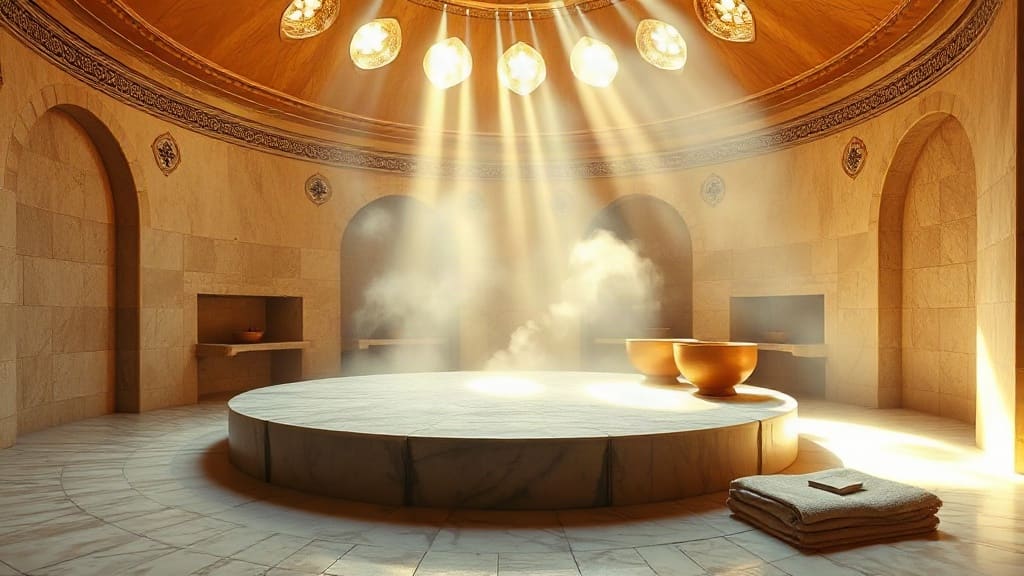
Stepping into a turkish bath is like entering another world. The air is thick with warmth, light filters down from star-shaped holes in the ceiling, and the sound of water echoes softly off marble walls. If you have ever searched for a turkish bath near me and wondered what really happens inside, you are not alone. Many people are curious but hesitant because they do not know the etiquette or what to expect. This guide will walk you through the entire experience, from the moment you walk in to the final cup of tea, so you can relax and enjoy every minute.
A Turkish bath, or hammam, is far more than just a place to get clean. It is a centuries-old social ritual that combines heat, steam, exfoliation, and massage to deeply cleanse both body and mind. Whether you are traveling or simply exploring wellness options in your own city, understanding the flow of a hammam visit will help you feel comfortable and confident. Let's dive into the history, the step-by-step process, the benefits, and how to find the best turkish bath near me for an authentic experience.
The History and Philosophy of the Turkish Bath
The roots of the Turkish bath stretch back to Roman and Byzantine bathhouses, but the tradition truly flourished under the Ottoman Empire. Hammams became central to community life, serving as places for socializing, celebrating milestones, and performing ritual purification before prayers. The architecture itself is designed to promote relaxation: warm marble platforms, domed ceilings with small windows, and a gradual progression from warm to hot rooms. This philosophy of gentle heat and communal care remains at the heart of every authentic turkish bath today.
Unlike a modern spa where treatments are often private and timed, a traditional hammam is a more fluid and sensory experience. You move through different temperature zones at your own pace, guided by attendants who have often learned the craft from family members. The result is a deep sense of timelessness and connection, something that many people find profoundly restorative in our fast-paced world.
What Happens Inside a Turkish Bath: A Step-by-Step Guide
If you are planning your first visit to a turkish bath near me, knowing the typical sequence will help you relax. While every hammam has its own unique character, most follow a traditional order.
1. Arrival and Changing
Upon arrival, you will be given a thin cotton wrap called a pestemal, a pair of wooden clogs or slippers, and a small metal bowl. You will change in a private cubicle or a common dressing room, depending on the facility. It is customary to keep your underwear on under the pestemal, or you may be offered disposable underwear. Lockers are usually provided for your belongings.
2. The Warm Room (Sogukluk)
Your first stop is a warm room, often around 100°F (38°C). Here, your body begins to adjust to the heat. You might sit or lie on a marble bench, letting your muscles loosen and your pores start to open. This stage is about slowing down and preparing for the deeper heat. Some hammams have a central platform called the gobek tasi where you can stretch out and let the warmth radiate through you.
3. The Hot Room (Hararet)
Next, you move into the hot room, which can reach 115°F (46°C) or higher. The air is humid and steamy. Here, you will begin to sweat profusely, which is the body's natural way of eliminating toxins. You can use your metal bowl to pour warm water over yourself, which helps regulate your temperature and keeps you comfortable. This is a time for quiet reflection or soft conversation. Many people spend 15 to 30 minutes in the hot room before the next step.
4. The Exfoliating Scrub (Kese)
Once your skin is thoroughly softened, an attendant will call you to the gobek tasi. You will lie on the warm marble while they use a coarse mitt called a kese to scrub your entire body. This vigorous exfoliation removes dead skin cells, unclogs pores, and leaves your skin incredibly smooth. Do not be surprised if you see rolls of gray skin peeling away; this is completely normal and a sign that the treatment is working. The attendant will then rinse you with warm water.
5. The Foam Massage (Kopuk Masaji)
After the scrub, comes one of the most delightful parts of the hammam: the foam massage. The attendant fills a large cloth bag with soap and water, then squeezes it to create mountains of luxurious, silky foam. This foam is poured over your body, and then you receive a gentle but thorough massage. The combination of warm water, fragrant soap, and skilled hands is deeply relaxing. Some hammams offer a more vigorous massage at this point, while others keep it light and soothing.
6. Rinsing and Cooling Down
Following the massage, you will be rinsed with clean water, often cooler than the hot room air to help close your pores. You will then move back to the warm room or a cooler resting area. It is important to let your body temperature normalize gradually. You will be wrapped in fresh towels and may be offered a glass of water or sherbet, a traditional sweet drink.
7. Relaxation and Tea
The final stage is pure relaxation. You will be led to a quiet lounge area where you can recline on cushions, sip hot tea, and let the experience settle in. This is often when people feel the most profound sense of calm and well-being. Many hammams encourage you to stay as long as you like, and some offer additional services like hair washing or a light oil massage.
Health Benefits of a Turkish Bath
The benefits of a turkish bath extend far beyond clean skin. Regular visits can have a positive impact on both physical and mental health.
- Deep cleansing and exfoliation: The steam opens pores, and the kese scrub removes dead cells more effectively than any home treatment, leaving skin glowing and soft.
- Improved circulation: The heat dilates blood vessels, increasing blood flow and delivering more oxygen to tissues. This can help reduce muscle tension and promote healing.
- Stress reduction: The combination of warmth, quiet, and mindful touch lowers cortisol levels and triggers the release of endorphins, leading to a deep sense of relaxation.
- Respiratory relief: The humid air can help clear sinuses and ease breathing, especially for those with mild congestion or allergies.
- Detoxification: Sweating helps flush out impurities, and the exfoliation removes environmental toxins from the skin's surface.
- Better sleep: Many people report falling asleep more easily and sleeping more deeply after a hammam visit due to the profound relaxation.
Etiquette Tips for Your First Visit
To make the most of your turkish bath near me experience, keep these practical tips in mind.
- Stay hydrated: Drink plenty of water before and after your visit to replace fluids lost through sweating.
- Do not eat a heavy meal right before: A full stomach can make you feel uncomfortable in the heat. A light snack an hour or two beforehand is fine.
- Bring minimal items: Most hammams provide everything you need, but you may want to bring a comb, a change of underwear, and your own toiletries if you prefer.
- Communicate your comfort level: If the heat feels too intense or the scrub is too rough, let your attendant know. They are there to help you feel good.
- Respect the space: Keep your voice low, and be mindful of other guests. Photography is usually not allowed inside the bathing areas.
- Tip your attendant: It is customary to leave a tip for the person who performs your scrub and massage, usually 10 to 20 percent of the service cost.
How to Find an Authentic Turkish Bath Near You
Finding a truly authentic turkish bath near me requires a bit of research. Not all spas that call themselves hammams follow the traditional rituals. Here is what to look for.
First, check the facility's description and photos. An authentic hammam will have a domed ceiling with small windows, a central marble platform, and separate sections or hours for men and women. The staff should be trained in traditional kese and foam massage techniques, not just general spa treatments. Reading online reviews can also give you insight into the authenticity of the experience. Look for comments about the scrub being thorough, the atmosphere being warm and steamy, and the attendants being knowledgeable.
Second, consider the location. Hammams are often found in neighborhoods with a strong Turkish or Middle Eastern community, as they serve both cultural and wellness purposes. If you are in a large city, searching for turkish bath near me may yield several options, from luxurious hotel spas to more modest, community-oriented bathhouses. Both can be wonderful, but the atmosphere and price will differ. A luxury hammam may offer more privacy and high-end products, while a traditional bathhouse provides a more immersive, communal experience.
Finally, ask about the services included. A traditional hammam visit should always include time in the hot room, a full-body kese scrub, and a foam massage. Some places offer packages that add oil massages, face masks, or hair treatments. Decide what you want before you book, and do not hesitate to ask questions over the phone or in person.
What to Wear and Bring
One of the most common questions about visiting a turkish bath is what to wear. The answer is simple: very little. You will be given a pestemal, a thin cotton wrap, to wear throughout your visit. Underneath, you can wear your own underwear or a swimsuit bottom; many hammams provide disposable underwear if you prefer. You will also be given wooden clogs or slippers to protect your feet from the wet marble floors. It is best to leave jewelry and valuables at home or in your locker.
As for what to bring, a small bag with a comb, a change of underwear, and any personal toiletries you like is sufficient. Most hammams supply soap, shampoo, towels, and even a hair dryer. If you have sensitive skin, you may want to bring your own mild soap, as traditional hammam soap can be heavily scented. A water bottle is also a good idea, though many facilities offer drinks.
The Difference Between a Turkish Bath and Other Spa Treatments
If you are used to Western-style spas, you might wonder how a turkish bath compares. The biggest difference is the communal, ritualistic nature of the hammam. Instead of a private room with a therapist, you are in a shared space with others, moving through different heat zones at your own pace. The focus is on the whole-body experience of heat, steam, and exfoliation, rather than a single targeted treatment. The scrub itself is often more vigorous than a typical body polish, and the foam massage is a unique, luxurious sensation that you will not find elsewhere. Many people find the hammam to be more deeply relaxing and socially engaging than a standard spa day.
Making the Most of Your Turkish Bath Experience
To truly benefit from your visit to a turkish bath near me, go with an open mind and a willingness to slow down. Leave your phone in the locker, take your time in each room, and let the warmth work its magic. Breathe deeply, enjoy the sensation of the marble against your skin, and savor the quiet moments. Afterward, do not rush back into your busy day. Sit with a cup of tea, let your body cool naturally, and notice how you feel. Many people describe the hours after a hammam as some of the most peaceful they have ever experienced.
If you are searching for a turkish bath near me, you are already on the path to discovering a beautiful, ancient tradition that nourishes both body and soul. Whether you go alone for some restorative me-time or with friends for a shared experience, the hammam offers something truly special. So go ahead, book that visit, and prepare to emerge feeling cleaner, calmer, and more connected than you have in a long time.
Frequently Asked Questions About Turkish Baths
Is a Turkish bath suitable for everyone?
Most people can enjoy a turkish bath, but there are some exceptions. Pregnant women, people with heart conditions, high blood pressure, or certain skin conditions should consult a doctor first. The heat can be intense, so if you are sensitive to high temperatures, you may want to start with a shorter session or choose a hammam with lower heat areas.
How long does a typical Turkish bath session last?
A traditional hammam visit usually lasts between 45 minutes and 2 hours, depending on the services you choose. The basic hot room time, scrub, and foam massage typically take about 45 to 60 minutes. If you add extra treatments like an oil massage or a face mask, you can expect to stay longer. Many people also spend additional time relaxing in the cooling area afterward.
Do I need to make a reservation for a Turkish bath near me?
It is always a good idea to make a reservation, especially if you are visiting a popular or luxury hammam. Walk-ins are often welcome at traditional bathhouses, but booking ahead ensures you get a time slot and an attendant. For a more private or customized experience, reserving in advance is highly recommended.
What is the difference between a hammam and a sauna?
A sauna uses dry heat, usually from a wood stove or electric heater, with very low humidity. A turkish bath, or hammam, uses wet heat and steam, with high humidity and moderate temperatures. The hammam also includes the traditional kese scrub and foam massage, which are not part of a sauna experience. Both are relaxing, but the hammam offers a more thorough cleansing and exfoliation.
Can I go to a Turkish bath if I have sensitive skin?
Yes, but you should communicate your needs to the attendant. The kese scrub can be adjusted to be gentler, and you can ask for a milder soap. If you have active eczema, psoriasis, or open wounds, it is best to skip the scrub and stick to the steam and warm water, as the exfoliation could irritate your skin.