
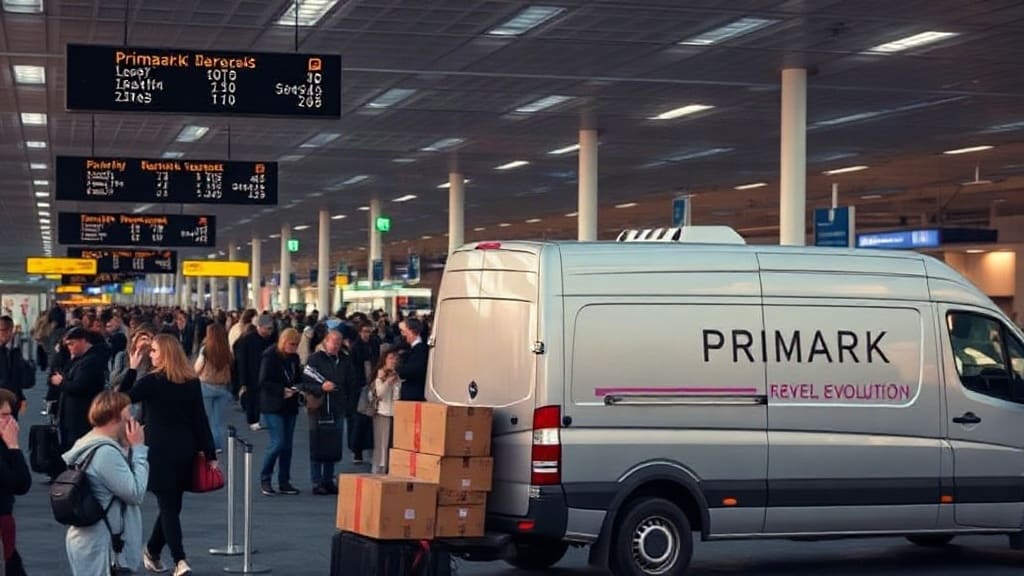
After two days of widespread cancellations and delays that left thousands of passengers stranded, the UK's aviation network is finally showing signs of recovery. Airports and airlines are working around the clock to clear the backlog, and officials expect schedules to return to normal by the end of the day. Meanwhile, in a surprising twist for the high street, budget fashion giant Primark has confirmed it will begin offering home delivery across Great Britain, a move that could reshape the retail landscape. Both developments carry significant implications for consumers and the broader economy, and they arrive at a time when the UK is grappling with fragile consumer confidence and operational challenges across multiple sectors.
The flight disruption, which began earlier this week, was triggered by a combination of technical failures and staff shortages at key air traffic control centers. The knock-on effects were severe: hundreds of flights were grounded, and airports from Heathrow to Manchester saw long queues and frustrated travelers. However, as of this morning, the situation is stabilizing. Airlines have added extra flights and larger aircraft on popular routes, and the Civil Aviation Authority has urged passengers to check with their carriers before heading to the airport. The expectation is that by tonight, the vast majority of affected passengers will have reached their destinations.
Flight Disruption Clearing: What Travelers Need to Know
For those still waiting to fly, the message from authorities is clear: do not arrive at the airport unless you have a confirmed booking. Many airlines are offering free rebooking or refunds for passengers whose flights were canceled. The disruption has highlighted the fragility of the UK's aviation infrastructure, and industry experts are calling for a review of resilience measures. In the short term, the focus is on reuniting passengers with their luggage and processing compensation claims. Under EU and UK regulations, passengers whose flights were canceled with less than 14 days' notice may be entitled to up to £520 in compensation, depending on the distance and the length of delay.
While the skies clear, attention is turning to the retail sector, where Primark's home delivery launch is making headlines. The discount clothing chain, owned by Associated British Foods, has long resisted e-commerce, arguing that its low-price model could not support the costs of shipping and returns. However, changing consumer habits and fierce competition from online rivals such as ASOS and Boohoo have forced a rethink. The new service will initially cover Great Britain, with plans to expand if successful. Primark has not yet announced a launch date, but the company says it will offer a curated range of products online, including clothing, homeware, and beauty items.
Primark's Online Gamble: Can It Work?
Primark's move into home delivery is a significant strategic shift. The retailer has built its success on a unique formula: ultra-low prices, high store footfall, and a treasure-hunt shopping experience that encourages impulse purchases. Online, that experience is harder to replicate. Shipping a £3 t-shirt can quickly eat into margins, and returns are a notorious cost driver in fashion e-commerce. Primark has acknowledged these challenges and says it is exploring innovative solutions, such as click-and-collect options and partnerships with delivery providers. The company also plans to use its stores as fulfillment hubs, which could reduce delivery times and costs.
But the bigger question is whether Primark's core customer base will embrace online shopping. The chain's typical shopper is price-sensitive and often prefers to see and feel products before buying. Moreover, Primark's success has been built on a high-volume, low-margin model that relies on rapid inventory turnover in physical stores. Translating that to an online platform will require significant investment in technology, logistics, and customer service. Analysts are cautiously optimistic, noting that even a modest online presence could help Primark capture sales from customers who live far from its stores or who prefer the convenience of home delivery.
Investors, however, are less enthusiastic. Shares of Associated British Foods fell nearly 10% on the news, as the market focused on the company's overall performance. Primark's like-for-like sales declined by 3% in the latest quarter, with growth in the UK and Ireland barely positive and a sharp drop in continental Europe. The home delivery announcement was seen as a defensive move rather than a growth catalyst. Still, the long-term potential is significant, especially if Primark can leverage its brand loyalty and low prices to attract online shoppers without cannibalizing store sales.
Wider Economic Signals: Consumer Confidence and Market Reaction
The timing of these two stories is not coincidental. Both the flight disruption and Primark's struggles reflect deeper issues in the UK economy. Consumer confidence remains weak, with households squeezed by high inflation and rising interest rates. The travel chaos, while temporary, adds to a sense of unpredictability that undermines spending. Meanwhile, Primark's sales decline in Europe is a warning sign that even discount retailers are feeling the pinch. The FTSE 100 edged lower on the day, with Associated British Foods leading the losses, while other European indices showed mixed performance. The market's reaction suggests that investors are wary of any sign of weakness in consumer-facing sectors.
Despite the challenges, there are reasons for cautious optimism. The aviation industry has shown resilience in the past, and the current disruption is expected to be short-lived. For Primark, the move into home delivery could open up a new revenue stream and help the brand stay relevant in an increasingly digital world. The key will be execution: if Primark can offer a seamless online experience without eroding its price advantage, it could become a formidable player in the e-commerce space. For now, consumers can expect more choices and, hopefully, fewer headaches at the airport.
What Does This Mean for You?
If you are traveling in the next few days, keep a close eye on your flight status and have a backup plan. The backlog is clearing, but residual delays are possible. For shoppers, Primark's home delivery service is a welcome development, especially for those who live outside major cities. While the initial launch may be limited in scope, it signals a broader trend toward omnichannel retail, where physical stores and online platforms work together. As the UK navigates a period of economic uncertainty, stories like these offer a glimpse into how businesses and consumers are adapting to new realities.
Frequently Asked Questions
When will UK flight schedules return to normal?
Airlines and airport authorities expect flight schedules to return to normal by the end of today, as the backlog from the recent disruption is cleared. However, some residual delays may occur, so passengers are advised to check their flight status regularly and arrive at the airport only when their flight is confirmed.
Is Primark's home delivery available across the UK?
Primark's home delivery service will initially be available in Great Britain, which includes England, Scotland, and Wales. Northern Ireland is not included in the initial rollout, but the company may expand the service in the future based on demand and operational success.
Why did Primark decide to start home delivery now?
Primark has faced increasing competition from online fashion retailers and changing consumer shopping habits. The company also reported a decline in like-for-like sales, prompting a strategic shift to capture online sales. Home delivery is seen as a way to reach customers who cannot easily visit physical stores and to remain competitive in the digital age.
Will Primark's low prices be affected by home delivery costs?
Primark has not announced any price increases related to home delivery. The company is exploring cost-effective delivery options, including using stores as fulfillment centers. However, shipping and returns could put pressure on margins, and Primark may introduce a minimum order threshold or delivery fees to offset costs.